
Renovating your home is the perfect opportunity to improve its energy efficiency. One innovative solution that stands out in this context is installing a heat pump. Among all the choices available, heat pumps are particularly sustainable and cutting-edge for domestic heating and cooling systems.
As technology continues to evolve and environmental concerns grow, heat pumps offer an effective way to reduce energy consumption and increase indoor comfort.
Content
- What Are Heat Pumps and How Do They Work
- Principle of Operation
- Types of Heat Pumps
- Energy Efficiency
- Environmental and Economic Benefits
- Valuating the Right Moment for Installation During Renovation
- Requirements for Installing a Heat Pump
- Costs and Incentives for Installing a Heat Pump
What Are Heat Pumps and How Do They Work?
Heat pumps represent an innovative and sustainable solution in the realm of domestic heating and cooling systems. These devices are designed to harness energy from external sources – air, water, or ground – and transfer it into your home, providing both heating and cooling with a single system. This results in significant savings on your utility bills.
Principle of Operation
The core of a heat pump’s operation is a thermodynamic cycle that moves warmth from a lower-temperature source to a higher-temperature environment using a minimal amount of electrical energy. This process relies on a refrigerant fluid circulating through the system, absorbing and releasing heat through phase changes between liquid and gas states.
Types of Heat Pumps
Heat pumps are classified based on their energy source or where they draw their warmth:
- Air-air: These use outside air for heating and cooling indoor air. They are easy to install and do not require excavations or drilling.
- Air-water: They utilize outside air for warming water used in various systems, including radiators at low temperatures, as well as for producing hot water for household uses.
- Water-water: These systems use energy from bodies of water like rivers or lakes to heat and cool homes. They require access to a suitable water source.
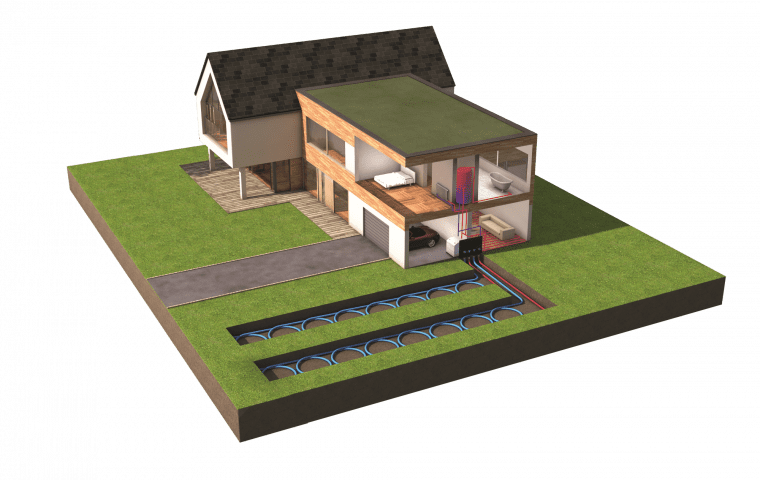
- Geothermal: These heat pumps harness the constant temperature of underground layers, digging wells deep into the earth to extract thermal energy.
Energy Efficiency
One of the key aspects of heat pumps is their high energy efficiency, measured by the coefficient of performance (COP) for heating and seasonal energy efficiency ratio (SEER) for cooling. These values show how much useful energy is produced per unit of electrical power consumed, providing substantial reductions in energy consumption and lower greenhouse gas emissions compared to traditional systems relying on fossil fuels.
Environmental and Economic Benefits
Beyond their high efficiency, heat pumps offer significant environmental benefits by reducing reliance on non-renewable energy sources and lowering carbon dioxide emissions. Their versatility makes them suitable for a wide range of applications, from small apartments to large commercial buildings, providing customized solutions tailored to each specific need for heating and cooling.
Valuating the Right Moment for Installation During Renovation
To make the most of heat pump installations during home renovation projects, it’s crucial to carefully consider factors such as current building conditions and insulation levels. Ensuring optimal thermal performance can maximize the effectiveness of these systems.
Requirements for Installing a Heat Pump
Before proceeding with the installation of a heat pump, several key factors must be considered:
- Energy assessment: A thorough analysis of your home’s energy requirements to determine its potential for heating and cooling improvements.
- System selection: Choosing the right type of heat pump based on your specific needs and available resources (such as water access).
- Correct sizing: Ensuring that the installed system is properly sized to meet the heating and cooling demands of your home.
- Preparation of installation site: Depending on the chosen system, this may involve preparing an area for drilling or other necessary construction.
Costs and Incentives for Installing a Heat Pump
Although initial costs might seem high, heat pumps offer substantial long-term savings due to their efficiency in converting energy. Additionally, governments provide various incentives such as grants and tax credits to encourage their adoption, making the investment even more financially attractive.
Installing a heat pump during your home renovation can greatly enhance both comfort and environmental sustainability, providing a smart and forward-thinking approach to heating and cooling your living space.
Conclusion
Heat pumps are an innovative solution for efficient heating and cooling systems, offering significant environmental benefits and substantial long-term savings on energy bills. By considering the right moment for installation, carefully evaluating requirements, and taking advantage of available incentives, homeowners can enjoy a more sustainable and comfortable living environment.
Frequently Asked Questions (FAQs)
- How do I choose the best heat pump type for my home?
- Consider factors such as your home’s insulation, water accessibility, and specific heating and cooling needs when selecting a heat pump.
- What are the advantages of geothermal heat pumps?
- Geothermal systems provide consistent temperatures throughout the year, minimizing the need for expensive backup heating and cooling systems.
- Can I install a heat pump in my existing home without renovations?
- Depending on your current setup, some installations might be feasible without extensive renovations; however, this should be evaluated with a professional to ensure compatibility and optimal performance.
- Are there any environmental concerns related to heat pumps?
- Heat pumps are considered a clean energy source as they don’t burn fossil fuels, producing lower greenhouse gas emissions compared to traditional heating systems.
- Can I install a heat pump in an older home?
- Installing a heat pump may require modifications or upgrades to your existing plumbing and electrical systems; it’s recommended to consult with a professional for guidance on compatibility and feasibility.
Installing a heat pump can be an excellent decision for improving energy efficiency, reducing carbon footprint, and enhancing the overall comfort of your home.


