
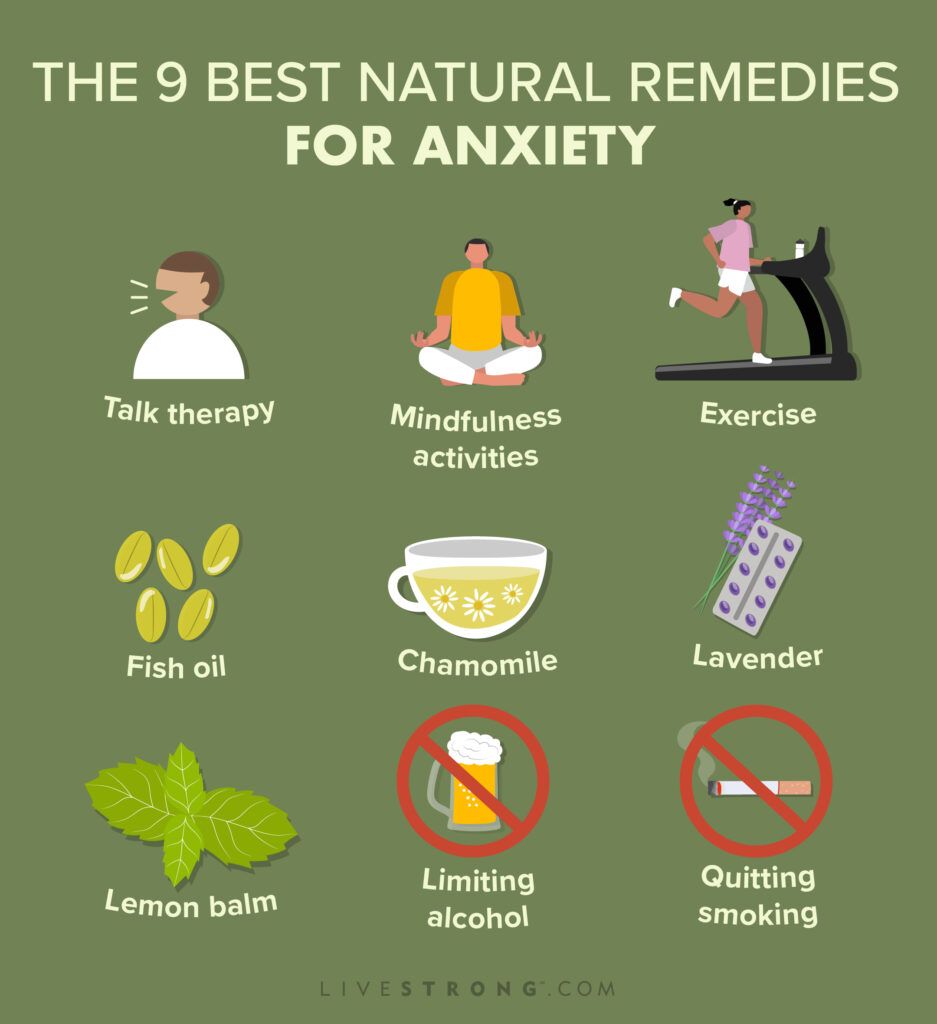
Anxiety is a debilitating condition that can severely impact our relationships, personal and professional lives. While many turn to prescription medications, it’s essential to consider alternative home remedies to alleviate anxiety.
Why Choose Home Remedies?
For those who are not well-suited for medication, home remedies offer a natural and effective way to manage anxiety. In this article, we’ll explore three popular home remedies that have shown promise in reducing anxiety symptoms.
Breathing Techniques for Anxiety Relief
Respiration plays a crucial role in maintaining our overall well-being. However, during times of stress, we often breathe incorrectly, which can exacerbate anxiety. By practicing conscious breathing techniques, you can calm your mind and body.
How to Breathe Correctly
- Inhale deeply: Fill your lungs completely with air before your diaphragm contracts.
- Hold the breath: Briefly hold your breath for a few seconds.
- Exhale slowly: Release the air from your lungs in a slow and controlled manner, filling your abdomen before your chest.
Regular breathing exercises can help reduce anxiety symptoms and improve overall mental health.
Alternative Therapies for Anxiety
While medication may be necessary for some individuals, alternative therapies can provide a natural approach to managing anxiety. Let’s explore three alternative remedies that have shown promise in reducing anxiety symptoms:
Magnesium Bath
A magnesium bath is a popular home remedy for relieving anxiety and promoting relaxation. Magnesium deficiency has been linked to increased stress levels, making it an excellent addition to your anxiety management toolkit.
How to Create a Magnesium Bath:
- Fill the bathtub with warm water.
- Add 100 grams of Epsom salt (magnesium sulfate) to the water.
- Add a few drops of essential oil (e.g., lavender or chamomile) for relaxation benefits.
- Soak in the bath for at least 30 minutes to reap the benefits.
Passiflora Tea
Passiflora is a natural herb known for its calming properties, making it an excellent remedy for anxiety. The tea can be consumed hot or cold, and it’s essential to consult with a healthcare professional before using passiflora as a treatment for anxiety.
How to Prepare Passiflora Tea:
- Steep one teaspoon of dried passiflora flowers in boiling water for 5-7 minutes.
- Strain the tea and drink it hot or cold, depending on your preference.
Fiori di Bach Rescue Remedy
The Fiori di Bach Rescue Remedy is a natural remedy composed of five flowers (Clematis, Impatiens, Rock Rose, Cherry Plum, and Star of Bethlehem). This blend is designed to provide emergency relief from anxiety and panic attacks.
How to Use the Rescue Remedy:
- Apply a few drops of the Rescue Remedy to your pulse points or mix it with water for drinking.
- Take the recommended dose as needed, but always consult with a healthcare professional before using this remedy regularly.
Argilla Sul Vento (Clay on the Belly)
Some experts believe that digestive issues can contribute to anxiety, making clay application a potential remedy for addressing these underlying causes.
How to Create Clay:
- Mix equal parts of water and argilla rossa (red clay) to create a paste.
- Apply the clay mixture to your abdomen and cover with a cloth or towel.
- Leave the clay on for at least 30 minutes, ideally overnight, before washing it off under warm water.
Herbal Remedies for Anxiety
In addition to the home remedies mentioned above, herbal teas and supplements have been used for centuries to alleviate anxiety symptoms. Some popular herbs include:
- Kava: Known for its anxiolytic properties, kava has been shown to reduce anxiety in humans.
- Valerian Root: This herb has a calming effect on the nervous system, promoting relaxation and reducing anxiety.
- Lavender: Lavender oil is often used in aromatherapy to promote relaxation and reduce anxiety.
Dietary Changes for Anxiety Relief
Our diet can have a significant impact on our mental health. Certain foods and nutrients have been shown to alleviate anxiety symptoms, while others may exacerbate them. Here are some dietary changes you can make:
- Increase Omega-3 Fatty Acids: Omega-3 fatty acids found in fish oil supplements have anti-inflammatory properties that can help reduce anxiety.
- Eat More Complex Carbohydrates: Whole grains and complex carbohydrates release serotonin, a neurotransmitter that helps regulate mood.
- Avoid Sugary Foods: Consuming high amounts of sugar can lead to energy crashes, irritability, and anxiety.
Conclusion
Anxiety is a complex condition that requires a multi-faceted approach. By incorporating these home remedies into your daily routine, you can find relief from anxiety symptoms and improve your overall mental health. Remember to consult with a healthcare professional before starting any new therapy or treatment.
Frequently Asked Questions
Q: What are the benefits of breathing techniques for anxiety relief?
A: Breathing techniques, such as diaphragmatic breathing, can calm the mind and body, reducing anxiety symptoms.
Q: How do I create a magnesium bath for anxiety relief?
A: Fill the bathtub with warm water, add 100 grams of Epsom salt, and a few drops of essential oil for relaxation benefits. Soak in the bath for at least 30 minutes.
Q: What are the potential side effects of using passiflora tea?
A: Passiflora tea can cause drowsiness, nausea, and stomach upset in some individuals. Consult with a healthcare professional before using this remedy.
Q: How do I use the Fiori di Bach Rescue Remedy for anxiety relief?
A: Apply a few drops of the Rescue Remedy to your pulse points or mix it with water for drinking. Take the recommended dose as needed, but always consult with a healthcare professional before using this remedy regularly.
Q: What are the potential side effects of applying argilla sul vento (clay on the belly)?
A: Argilla sul vento can cause digestive issues, such as bloating and nausea, in some individuals. Consult with a healthcare professional before starting this remedy.
Q: How do I incorporate breathing techniques into my daily routine?
A: Practice diaphragmatic breathing exercises for 5-10 minutes, ideally at the same time each day, to help reduce anxiety symptoms.
Q: What are the potential benefits of using home remedies for anxiety relief?
A: Home remedies can provide natural and effective relief from anxiety symptoms, reducing the need for medication.


