
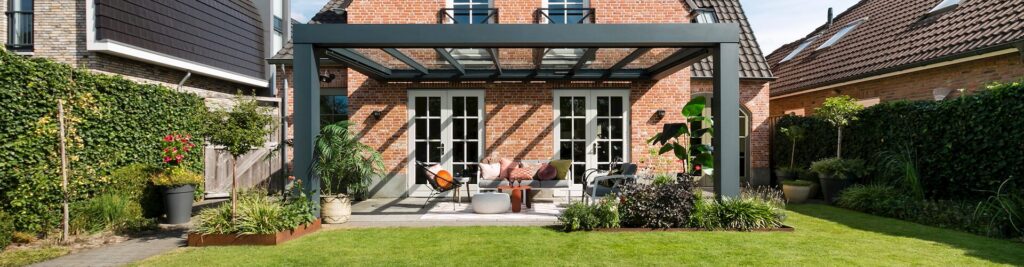
As the world becomes increasingly aware of the importance of sustainability and healthy eating, many people are turning to indoor gardening as a way to grow their own fruits and vegetables. Not only is it a fun and rewarding hobby, but it also allows you to have control over what goes into your food and when it’s ready.
Understanding Soil Composition
When growing an indoor garden, it’s essential to choose the right soil composition for the specific plants you want to grow. Different plants require different levels of nutrients, moisture, and drainage, so it’s crucial to select a soil that meets their needs. This is especially important when growing in small spaces, such as balconies or terraces, where every inch counts.
Soil composition can be broken down into several key components:
- pH Level: Most plants prefer a slightly acidic to neutral pH level, between 6.0 and 7.0.
- Organic Matter: Incorporating organic matter such as compost or manure can help retain moisture and provide nutrients.
- Texture: A well-draining soil with a mix of sand, silt, and clay is ideal for most plants.
Designing an Indoor Garden
For those with limited garden space, designing an indoor garden requires careful planning and attention to detail. By analyzing the soil composition of your specific area, you can create a plan that meets the needs of different plants. For example, if you have a balcony with limited sunlight, you may want to focus on growing leafy greens or herbs.
When designing an indoor garden, consider the following factors:
- Space Constraints: Measure the available space and choose plants that fit within it.
- Lighting: Consider the amount of direct sunlight the area receives and choose plants accordingly.
- Temperature: Most plants prefer temperatures between 65-75°F (18-24°C).
- Humidity: Indoor gardens can be humid, so consider plants that thrive in these conditions.
Indoor Gardening Options
There are several options for indoor gardening, each with its own unique benefits and challenges. Here are some popular methods:
- Container Gardening: Using pots or containers to grow plants in small spaces.
- Vertical Gardening: Growing plants up walls or trellises using a trellis system.
- Hydroponic Gardening: Growing plants in a nutrient-rich solution rather than soil.
- Aeroponic Gardening: Growing plants in the air, where roots are suspended and nutrients are delivered through a fine mist.
Indoor gardening can be a fun and rewarding hobby, but it does require some upfront investment. However, with the right tools and knowledge, you can enjoy fresh, healthy produce all year round.
Sustainable Indoor Gardening
One of the most significant benefits of indoor gardening is its potential to reduce waste and promote sustainability. By growing your own food, you’re reducing your reliance on industrial agriculture and minimizing your carbon footprint.
In addition, many types of plants are specifically chosen for their ability to purify the air and improve indoor air quality. Some popular options include:
- Peace Lily: Known for its ability to remove toxins from the air.
- Snake Plant: Effective at removing formaldehyde and benzene from the air.
- Spider Plant: Great at removing air pollutants such as xylene and toluene.
Getting Started
If you’re interested in trying indoor gardening, here are some tips to get started:
- Choose the right soil: Select a high-quality potting mix that’s specifically designed for indoor gardening.
- Select easy-to-grow plants: Start with plants that are known to thrive indoors, such as herbs or leafy greens.
- Provide adequate light: Most plants require at least some amount of direct sunlight per day.
With the right knowledge and equipment, anyone can enjoy the benefits of indoor gardening.
Conclusion
Indoor gardening is a fun and rewarding hobby that allows you to grow your own fruits and vegetables year-round. By understanding soil composition, designing an indoor garden, and choosing the right plants, you can create a thriving oasis in even the smallest of spaces. Whether you’re looking for sustainable living or just want to enjoy fresh produce, indoor gardening is worth considering.
Frequently Asked Questions
- Q: How much space do I need for an indoor garden?
A: The amount of space needed will depend on the size and type of plants you choose. - Q: What are some popular types of plants for indoor gardening?
A: Some popular options include herbs, leafy greens, and flowering plants. - Q: Do I need special equipment to grow an indoor garden?
A: You may need a trellis system or other support for climbing plants. - Q: How do I ensure my indoor garden gets enough light?
A: Most plants require at least some amount of direct sunlight per day.
By considering these factors and tips, you can create an indoor garden that’s both sustainable and enjoyable.


