
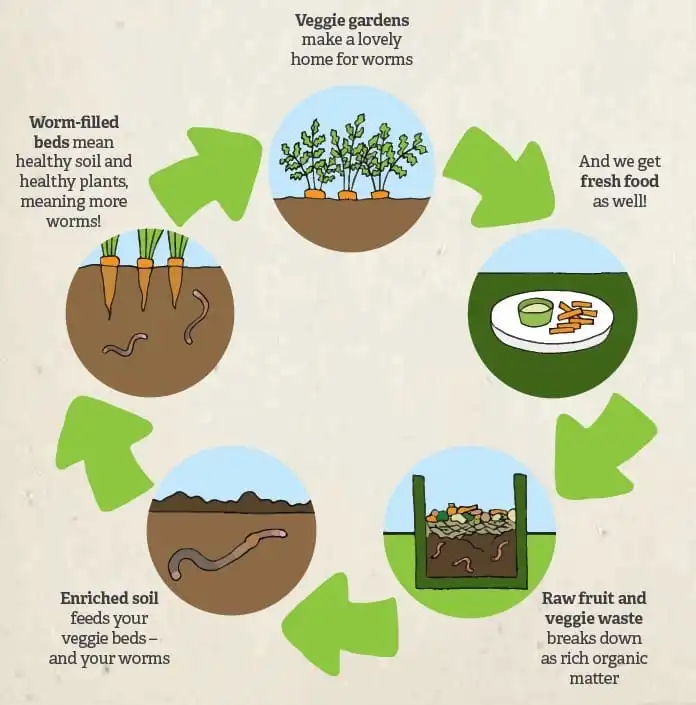
Are you tired of throwing away food scraps and wondering what to do with them? Look no further! Composting is a simple, eco-friendly way to turn kitchen waste into a valuable fertilizer for your garden. In this article, we’ll explore the basics of domestic composting, including how to get started, common mistakes to avoid, and tips for achieving success.
What is Composting?
Composting is the process of breaking down organic materials like food scraps, leaves, and grass clippings into a nutrient-rich soil amendment. This natural process occurs when microorganisms like bacteria and fungi feed on the organic matter, producing a humus-like material that’s perfect for improving soil structure and fertility.
Why Compost?
Composting offers numerous benefits, including:
- Reducing waste sent to landfills
- Creating a natural fertilizer for your garden
- Improving soil health and structure
- Supporting biodiversity in your yard
- Saving money on synthetic fertilizers
- Helping to mitigate climate change by reducing greenhouse gas emissions
Getting Started with Domestic Composting
To begin composting at home, you’ll need a few basic supplies:
- A designated composting area (e.g., a bin, pile, or worm composter)
- A variety of organic materials (e.g., kitchen scraps, leaves, grass clippings)
- A source of oxygen (e.g., turning the pile regularly)
Here are some tips for setting up your composting system:
- Choose a location with good airflow and proximity to a water source.
- Select a composting method that suits your needs and resources (e.g., bin, pile, worm composter).
- Start by adding a mix of “green” materials (e.g., kitchen scraps, grass clippings) and “brown” materials (e.g., leaves, straw).
Common Composting Methods
There are several composting methods to choose from:
- Cumulo Fai Da Te: A simple, open-pile system that works well for small spaces.
- Compostiera: A container-based system that provides good structure and airflow.
- La Buca: A traditional, hole-based system that’s ideal for larger yards.
- Worm Composting: A method that uses red wiggler worms to break down food scraps into a nutrient-rich compost.
Tips for Successful Composting
To ensure a smooth composting process, keep the following tips in mind:
- Maintain optimal moisture levels (e.g., like a damp sponge).
- Control odors by adding brown materials and ensuring adequate airflow.
- Monitor temperature: aim for 130°F to 140°F during active decomposition phases.
- Avoid adding meat, dairy, and oily foods, as they can attract pests and create unpleasant odors.
- Add a mix of “green” and “brown” materials to maintain the carbon-to-nitrogen ratio.
- Turn your compost pile regularly to ensure oxygen flow and speed up decomposition.
Frequently Asked Questions
Here are some answers to common composting questions:
- Q: How often should I turn my compost pile?
A:** Every 7-10 days, depending on the moisture level and size of your pile. - Q: What type of materials can I add to my compost?
A:** A mix of green (kitchen scraps, grass clippings) and brown (leaves, straw) materials is ideal for composting. - Q: How long does it take for my compost to be ready?
A:** It depends on factors like temperature, moisture, and carbon-to-nitrogen ratios, but typically takes 2-6 months.
Common Mistakes to Avoid
To ensure success with your domestic composting system, avoid the following common mistakes:
- Adding too much green material (e.g., kitchen scraps), which can lead to anaerobic conditions and unpleasant odors.
- Not adding enough brown materials (e.g., leaves, straw), which can create a carbon-rich pile that’s difficult to break down.
- Overturning your compost pile excessively, which can disrupt the decomposition process and create erosion.
- Not monitoring temperature: if it gets too hot or cold, decomposition can slow down or even stop.
Tips for Maintaining Your Compost
Once you’ve set up your composting system, here are some tips to maintain its effectiveness:
- Add new materials regularly to keep the pile fresh and active.
- Monitor moisture levels and add water as needed.
- Control odors by adding brown materials and ensuring adequate airflow.
- Turn your compost pile regularly to ensure oxygen flow and speed up decomposition.
Benefits of Composting for Your Garden
Composting can have a significant impact on your garden, providing:
- Improved soil structure: compost helps to break down clay soils and improve drainage.
- Increased fertility: compost is rich in nutrients that support plant growth and development.
- Better water retention: compost helps to retain moisture in the soil, reducing the need for frequent watering.
- Enhanced biodiversity: compost provides a habitat for beneficial microorganisms and insects.
Getting Started with Worm Composting
Worm composting is a popular method of domestic composting that uses red wiggler worms to break down food scraps into a nutrient-rich compost. Here are some tips for getting started:
- Purchase red wiggler worm composting kits or start your own worm farm.
- Add a mix of “green” and “brown” materials to the worm bin, including food scraps, leaves, and bedding material (e.g., coconut coir).
- Maintain optimal moisture levels (e.g., like a damp sponge) and ensure adequate oxygen flow.
- Harvest your compost regularly by separating it from the worms and adding it to your garden.
Conclusion
Composting is a simple, effective way to reduce waste and create valuable fertilizer for your garden. By following these guidelines and tips, you can get started with domestic composting today and reap the benefits of this eco-friendly practice. Happy composting!
Additional Resources
If you’re interested in learning more about domestic composting, here are some additional resources:
- National Composting Coalition: A website that provides information on composting best practices, education, and advocacy.
- Compost Tea: A liquid fertilizer made from composted materials that can be used to support plant growth and health.
- Bokashi: A type of indoor composting system that uses microorganisms to break down food scraps into a nutrient-rich compost.
Troubleshooting Common Issues
Here are some common issues that may arise with your domestic composting system, along with tips for troubleshooting:
- Pests: Attracting pests like rodents or flies can be a problem with composting. To prevent this:
- Add more bedding material (e.g., coconut coir) to the worm bin.
- Reduce the amount of food scraps added to the worm bin.
- Ensure adequate oxygen flow and temperature control.
- Odors: Unpleasant odors can be a problem with composting. To prevent this:
- Add more brown materials (e.g., leaves, straw) to balance out the green materials.
- Monitor moisture levels and add water as needed.
- Turn your compost pile regularly to ensure oxygen flow.
- Temperature: Excessive temperatures can slow down decomposition or even kill microorganisms. To prevent this:
- Add more bedding material (e.g., coconut coir) to the worm bin.
- Reduce the amount of food scraps added to the worm bin.
- Monitor temperature and adjust as needed.
By following these tips and guidelines, you can successfully compost at home and reap the benefits of this eco-friendly practice. Happy composting!


