
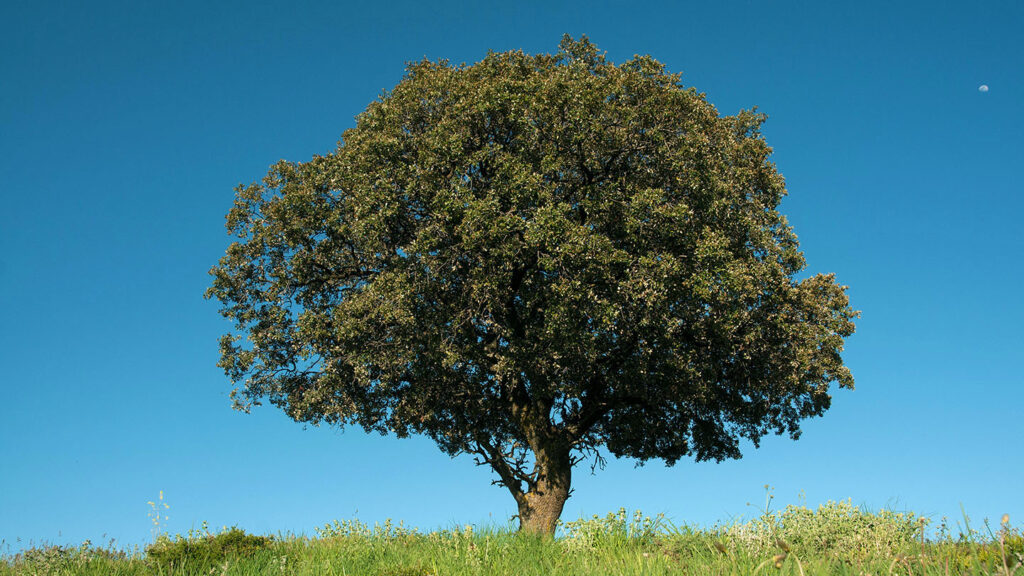
The Evergreen Oak: Understanding the Characteristics of the Holm Oak (Quercus ilex)
As one of the most iconic and resilient trees in the Mediterranean region, the Holm Oak (Quercus ilex) has been a prized possession for gardeners and foresters alike for centuries. But what makes this tree so special? In this article, we’ll delve into the characteristics of the Holm Oak, exploring its botanical features, growth habits, and cultivation requirements.
What is the Holm Oak?
The Holm Oak is a species of evergreen oak tree that belongs to the Fagaceae family. It’s the only species of oak that remains green throughout the year, making it an ideal choice for gardeners seeking a low-maintenance evergreen shrub or tree.
Description and Botanical Features
The Holm Oak boasts a distinctive trunk with a grayish-brown color that develops a characteristic wrinkled appearance over time. Its leaves are persistently green, with a dark upper surface and a grayish underside covered in fine hairs. The leaves are elliptical in shape and can grow up to 2 cm long.
In the spring, the Holm Oak produces small, separate male and female flowers on distinct panicles. The fruit of the tree is an edible, single-seeded nut known as the acorn or olive (although it’s not a true olive), which grows up to 2.5 cm in length.
Dimensions and Growth Habit
The Holm Oak can grow up to 20-28 meters tall, making it a prominent feature in any landscape. The tree has a slow growth rate but is incredibly long-lived, with some specimens reportedly living for over 1,000 years.
There are two main subspecies of the Holm Oak: Quercus ilex subsp. ilex and Quercus ilex subsp. rotundifolia. The former has narrower leaves, while the latter has wider leaves and longer nuts.
Cultivation Requirements
When it comes to cultivating the Holm Oak, there are several key requirements to keep in mind:
- Climate: The Holm Oak is native to the Mediterranean region, so it prefers warm, dry climates with low humidity. It’s sensitive to frost and should be protected from extreme temperatures.
- Soil: The tree can thrive on a variety of soils, including clay, loam, and sand. However, it requires well-draining soil to prevent root rot.
- Lighting: The Holm Oak needs full sun to partial shade, making it an ideal choice for gardeners with plenty of sunlight.
Cultivazione da Reddito
The Holm Oak is prized for its timber, which can be harvested after 50-60 years. The wood is highly valued for its strength and durability, making it an excellent choice for furniture-making, flooring, and other woodworking applications.
When cultivating the Holm Oak for profit, a technique called “cedulization” can be used to promote healthy growth and increase yields. This involves pruning the tree at regular intervals to encourage new growth and prevent competition from other trees.
Cultivazione in Giardino
If you’re looking to cultivate the Holm Oak in your garden, here are some key tips:
- Choose a sunny location: The Holm Oak needs plenty of sunlight to thrive.
- Provide good air circulation: This will help prevent diseases and promote healthy growth.
- Water regularly: However, avoid overwatering, which can lead to root rot.
Siepe di Leccio
The Holm Oak makes an excellent choice for creating a natural hedge or screen. The tree’s dense foliage provides excellent insulation against wind and noise pollution, making it an ideal choice for gardeners seeking to create a tranquil oasis.
When cultivating the Holm Oak as a hedge, keep in mind that:
- Pruning is essential: Regular pruning will help maintain the tree’s shape and promote healthy growth.
- Provide regular maintenance: This includes watering, fertilizing, and pest control.
Ghiande di Quercia: La Ghianda del Leccio
The Holm Oak produces edible nuts that can be used to make a variety of products, including bread, cakes, and other baked goods. The nuts are rich in fiber and protein, making them an excellent choice for gardeners seeking to supplement their diet.
When harvesting the nuts, keep in mind that:
- Timing is everything: Nuts typically mature in October, making it essential to plan your harvest accordingly.
- Selecting the right subspecies: Quercus ilex subsp. rotundifolia produces longer, more flavorful nuts.
FAQs
Here are some frequently asked questions about the Holm Oak:
- What is the average lifespan of a Holm Oak tree?
- The Holm Oak can live for over 1,000 years.
- Can I grow a Holm Oak in my garden if I live in a cold climate?
- No, the Holm Oak is sensitive to frost and should be protected from extreme temperatures.
- What are the benefits of cultivating the Holm Oak for timber?
- The wood is highly valued for its strength and durability, making it an excellent choice for furniture-making, flooring, and other woodworking applications.
In conclusion, the Holm Oak is a remarkable tree that has been prized by gardeners and foresters alike for centuries. Its unique characteristics, slow growth rate, and long lifespan make it an ideal choice for those seeking a low-maintenance evergreen shrub or tree.
By understanding the characteristics of the Holm Oak and following proper cultivation techniques, you can enjoy the many benefits this incredible tree has to offer. From its edible nuts to its durable timber, the Holm Oak is truly a treasure worth cultivating.


