
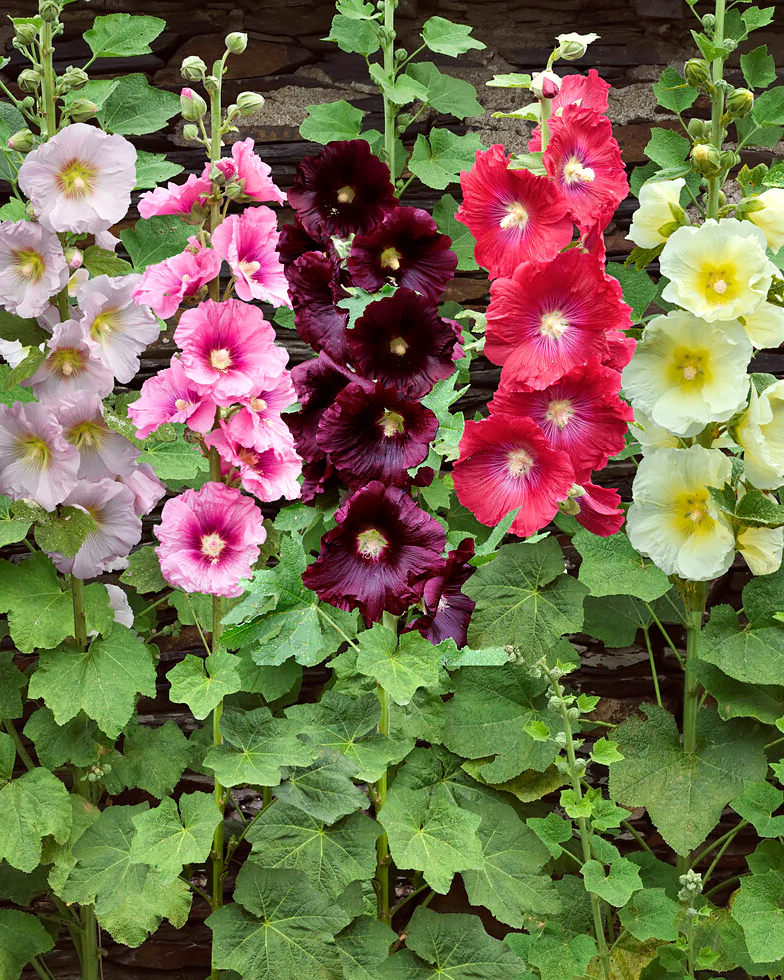
Malva, also known as Flowering Malva, is a perennial herbaceous plant that belongs to the Malvaceae family, genus Alcea. This beautiful flower has been admired for its vibrant and striking blooms, which can add a touch of elegance to any garden or indoor space. In this article, we will delve into the world of Malva, exploring its characteristics, growth habits, care requirements, and how to propagate it.
What is Malva?
Malva is a perennial herbaceous plant that can grow up to 2 meters in height. It has lobed leaves covered with light down, pale green in color, and emits adventitious roots from which flowers form. The plant has a rustic and impressive appearance, making it a popular choice among gardeners.
The Characteristics of Malva
Here are some key characteristics of Malva:
- Maximum Height: 2 meters
- Perennial Herbaceous Plant
- Has Lobed Leaves
- Leaves Covered with Light Down
- Pale Green in Color
- Emits Adventitious Roots from Which Flowers Form
- Adventitious Roots Start from the Main Stem
When Does Malva Flower?
Malva produces vibrant and striking flowers, forming along the stalk, and flowering lasts throughout the entire summer. The flowering period coincides with summer, making it a great choice for gardeners who want to enjoy its beauty during this season.
The flowers of Malva can differ depending on the variety, but they are generally pink-purple in color, although there are no white, yellow, purple or very dark shades as occurs in the “nigra” variety which has black flowers. The “double” variety offers double flowers, adding to its beauty and allure.
How to Grow Malva
Growing Malva is relatively easy, requiring minimal care. Here are some tips on how to plant and care for this stunning flower:
- When to Plant: The best time for planting coincides with the end of summer and the beginning of autumn.
- Choose a Spot with Good Sunlight: Make sure the area receives plenty of sunlight, as Malva requires at least 6 hours of direct sunlight per day.
- Work the Soil Deeply: Before planting, work the soil deeply to ensure it is fertile and well-drained.
- Add Organic Material: Add organic material such as hay or compost to the soil to improve its fertility and structure.
Malva: Care for the Plant
Malva requires minimal care, making it a great choice for gardeners who want to enjoy its beauty without too much fuss. Here are some tips on how to care for Malva:
- Stop Watering in Winter: During winter months, stop watering the plant as it can withstand cold temperatures.
- Water in Summer: In summer, water the plants regularly, waiting for the soil to dry out between irrigations.
- Fertilize Once a Month: Apply a liquid fertilizer once a month from spring onwards to promote healthy growth and flowering.
What Fertilizer to Use?
There are no specialized fertilizers for Malvaceae, but you can use a fertilizer for flowering plants. An example is the “Nutri One” which can be bought on Amazon at a price of 14 euros with free shipping.
Propagation of Malva
Malva can be propagated through seeds or by dividing the roots in the fall after a year’s growth has taken place. Here are some tips:
- Growing from Seed: You can start growing Malva by buying seeds, planting them in pots and then transferring them to your garden.
- Dividing Roots: In autumn, dig up the plant, cut it into sections, and replant them.
Common Problems with Malva
Malva can be susceptible to certain problems such as pests and diseases. Here are some common issues:
- Pests: Aphids, whiteflies, and spider mites are common pests that can infest Malva plants.
- Diseases: Powdery mildew, downy mildew, and leaf spot can affect Malva plants.
Conclusion
Malva is a stunning flower that adds beauty and elegance to any garden or indoor space. With its vibrant and striking blooms, minimal care requirements, and rustic appearance, it’s no wonder why Malva has become a popular choice among gardeners. By following the tips outlined in this article, you can enjoy the beauty of Malva for years to come.
FAQs
- What is the best time to plant Malva?
The best time for planting coincides with the end of summer and the beginning of autumn. - How often should I water Malva?
In summer, water the plants regularly, waiting for the soil to dry out between irrigations. - Can I grow Malva indoors?
Yes, you can grow Malva indoors, provided it receives plenty of sunlight. - What is the best fertilizer for Malva?
There are no specialized fertilizers for Malvaceae, but you can use a fertilizer for flowering plants. - How often should I fertilize Malva?
Apply a liquid fertilizer once a month from spring onwards to promote healthy growth and flowering. - Can I propagate Malva from seed?
Yes, you can propagate Malva from seed, although it may take longer than other methods. - What is the meaning of the flower name “Malva”?
The origin of the flower name “Malva” is not certain, but it is believed to come from the Latin word for “mallow”. - Is Malva toxic?
No, Malva is not toxic and can be safely grown around pets and children.


