
Managing Anger: How to Prevent it and Give Tips
Anger is a powerful emotion that can be both destructive and beneficial. While it’s normal to feel angry, holding onto it can lead to negative consequences for our personal and professional relationships, health, and overall quality of life. In this article, we’ll explore why anger needs to be managed, how to do so, and provide practical tips on preventing and dealing with anger.
Why Anger Needs to Be Managed
Firstly, let’s acknowledge that anger is a normal human emotion. However, holding onto it can have severe consequences. Unchecked anger can damage our relationships, harm our physical health, and even impact our mental well-being. It’s essential to recognize the signs of suppressed anger and take steps to manage it before it becomes a problem.
The Dangers of Suppressing Anger
Suppressing anger can lead to a range of negative outcomes, including:
- Strained relationships with family and friends
- Physical symptoms like headaches, stomach problems, or muscle tension
- Mental health issues such as depression or anxiety
How to Manage Anger
Managing anger is crucial for maintaining good mental and physical health. Here are some practical tips on how to manage anger:
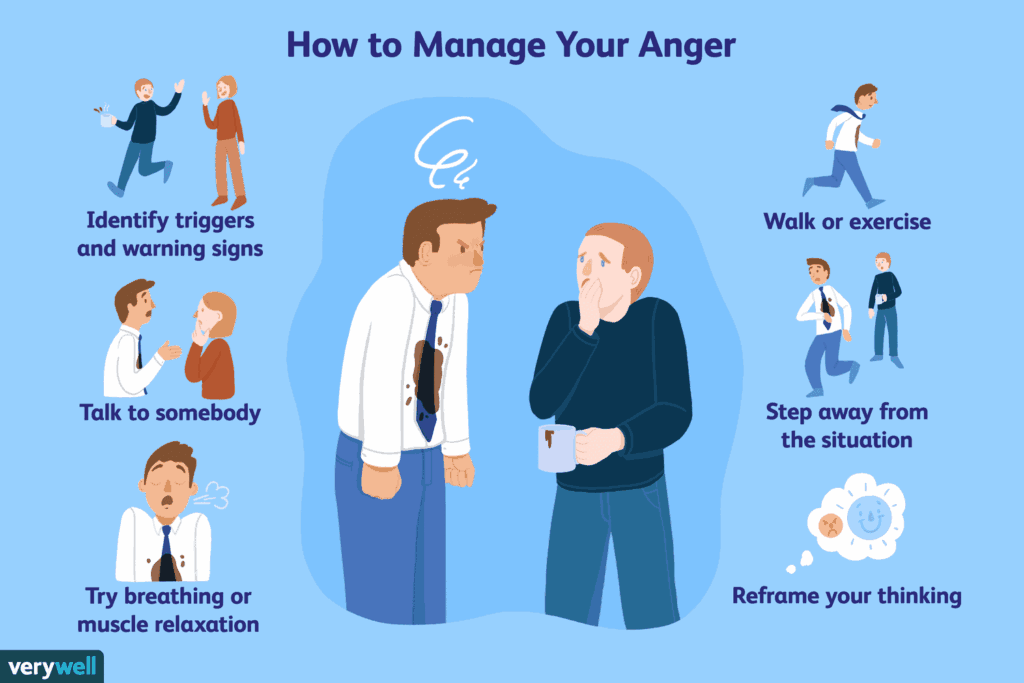
- Recognize the Signs: Pay attention to your emotions and identify when you’re feeling angry. Take note of what triggers your anger, as this can help you prepare and respond better in the future.
- Identify Your Triggers: Reflect on your feelings and thoughts to understand what causes your anger. Is it a specific situation, person, or event? Once you know your triggers, you can develop strategies to avoid or cope with them.
- Practice Mindfulness: Mindfulness techniques like meditation, deep breathing, or yoga can help calm your mind and body when you’re feeling angry. Regular mindfulness practice can reduce overall stress levels and improve emotional regulation.
- Express Yourself: Find healthy ways to express your anger, such as talking to a trusted friend or family member, writing in a journal, or engaging in physical activity like exercise or sports.
Tips for Preventing Anger
Preventing anger requires self-awareness, effective communication, and stress management techniques. Here are some tips on how to prevent anger:
- Set Boundaries: Establish clear boundaries with others to protect your time, energy, and emotional well-being.
- Practice Empathy: Try to see things from other people’s perspectives, which can help reduce misunderstandings and conflicts.
- Stay Organized: Keep track of your schedule, tasks, and deadlines to avoid feeling overwhelmed and stressed.
The Importance of Apologizing
Apologizing is a powerful way to manage anger and improve relationships. When we apologize sincerely, it shows that we respect the other person’s feelings and are willing to make amends. Here are some tips on how to apologize effectively:
- Use “I” Statements: Instead of blaming others, use “I” statements to take responsibility for your actions.
- Listen Actively: Pay attention to what the other person has to say and show that you’re genuinely interested in their perspective.
The Power of Gratitude
Practicing gratitude can help shift our focus away from anger and toward more positive emotions. By acknowledging the good things in life, we can cultivate a sense of appreciation and well-being. Here are some ways to practice gratitude:
- Keep a Gratitude Journal: Write down three things you’re grateful for each day to reflect on your blessings.
- Share Your Appreciation: Express your gratitude to others through words or actions.
Dealing with Anger in Relationships
Anger can be a significant challenge in relationships. Here are some tips on how to deal with anger in relationships:
- Communicate Effectively: Talk openly and honestly about what’s causing the anger, and listen actively to each other’s perspectives.
- Take a Break: If emotions run high, take a break from the conversation or situation to calm down before resolving the issue.
- Seek Support: Reach out to friends, family, or a therapist for support and guidance in managing anger.
Conclusion
Managing anger is crucial for maintaining good mental and physical health. By recognizing the signs of suppressed anger, identifying triggers, practicing mindfulness, expressing yourself, setting boundaries, staying organized, apologizing sincerely, and practicing gratitude, we can prevent and deal with anger more effectively.
Frequently Asked Questions (FAQs)
-
How do I manage anger when I’m feeling overwhelmed?
Try to break down the task or situation into smaller, manageable parts. Take regular breaks to relax and recharge.
2. What are some healthy ways to express anger?Engage in physical activity like exercise or sports, write in a journal, talk to a trusted friend or family member, or practice mindfulness techniques like meditation or deep breathing.
3. How can I prevent anger when I’m around people who trigger my anger?Set clear boundaries with others, practice empathy, and try to see things from their perspective.
4. What’s the best way to apologize for hurting someone?Use “I” statements, listen actively, and make amends by taking responsibility for your actions.
5. How can I cultivate a sense of gratitude?Keep a gratitude journal, share your appreciation with others, and reflect on the good things in life.
Managing Anger: A Personal Journey
Managing anger is a personal journey that requires self-awareness, effort, and patience. By recognizing the signs of suppressed anger, identifying triggers, practicing mindfulness, expressing yourself, setting boundaries, staying organized, apologizing sincerely, and practicing gratitude, we can prevent and deal with anger more effectively.
Final Thoughts
Anger management is an essential skill for maintaining good mental and physical health. By understanding why anger needs to be managed, recognizing the signs of suppressed anger, identifying triggers, practicing mindfulness, expressing yourself, setting boundaries, staying organized, apologizing sincerely, and practicing gratitude, we can prevent and deal with anger more effectively.
Additional Resources
For further guidance on managing anger, consider the following resources:
- Anger Management Workshops: Attend workshops or classes that teach effective anger management techniques.
- Online Courses: Take online courses or watch educational videos on anger management.
- Books: Read books written by experts in the field of anger management.


