
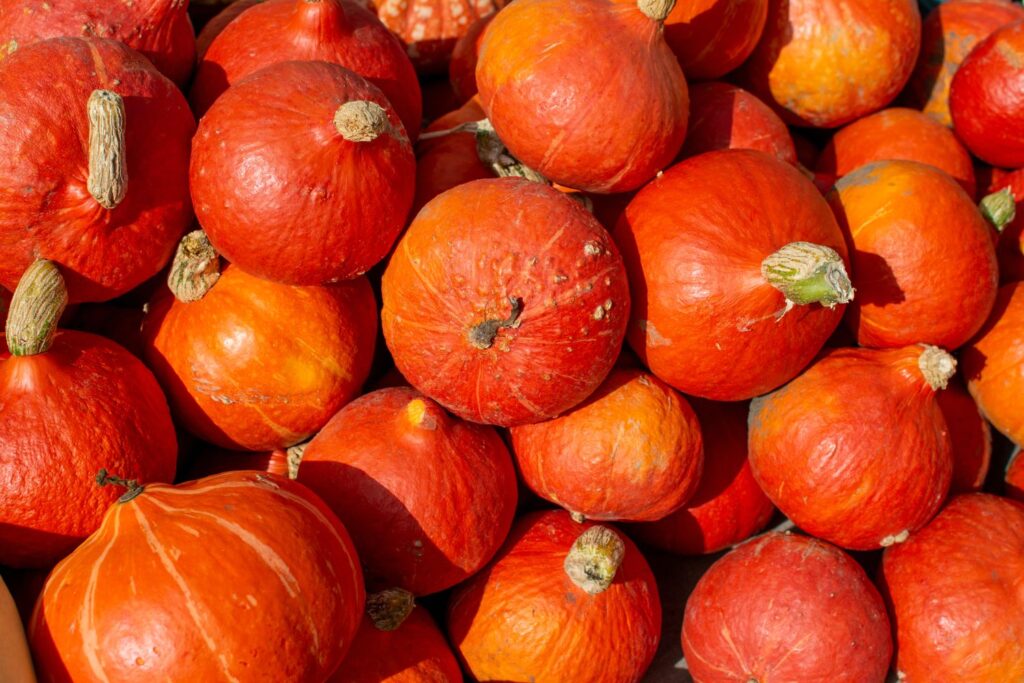
As a food enthusiast, you might have come across the term “Hokkaido pumpkin” but are unsure what it is or where to find it. This article will take you on a journey to explore the world of this fascinating vegetable, its nutritional benefits, and how to cultivate it in your own garden.
What is Hokkaido Pumpkin?
The Hokkaido pumpkin, also known as Cucurbita maxima, is a type of pumpkin that originates from Japan’s Hokkaido island. It has a distinctive appearance, with a solid and fibrous flesh that resembles that of sweet potatoes. This variety of pumpkin has gained popularity worldwide for its unique flavor and impressive nutritional profile.
History of Hokkaido Pumpkin
Hokkaido pumpkin has been cultivated in Japan for centuries. The first recorded cultivation dates back to the 18th century, when it was grown primarily for its seeds, which were used as a source of oil. Over time, farmers began to appreciate the pumpkin’s unique flavor and nutritional benefits, leading to its widespread adoption in Japanese cuisine.
Nutritional Benefits of Hokkaido Pumpkin
Hokkaido pumpkin is an excellent source of essential nutrients, including:
- Vitamin C: Boosts immune function and antioxidant properties
- Fibers: Promotes digestive health and satiety
- Vitamins B: Essential for energy metabolism and nerve function
- Calcium: Crucial for bone health and development
- Potassium: Helps regulate blood pressure and cardiovascular health
- Iron: Vital for healthy red blood cells and oxygen transport
Using the Whole Pumpkin
Unlike other types of pumpkins, the Hokkaido pumpkin is edible from stem to leaf. You can use its entire cavity as a natural container for recipes, or simply enjoy it on its own as a crunchy snack.
Growing Hokkaido Pumpkin: A Step-by-Step Guide
Growing Hokkaido pumpkin requires careful planning and attention to detail. Here’s a comprehensive guide to get you started:
- Choosing the Right Location: Select a spot with full sun (at least 6 hours of direct sunlight) and well-draining soil.
- Sowing Seeds: Plant seeds in late spring or early summer, when the weather is warm and dry. Sow them 1 inch deep and 4-6 feet apart.
- Caring for Young Plants: Keep the soil consistently moist during the germination period (15-22 days). Thin seedlings to 12 inches apart once they reach 6 inches tall.
- Supporting Vining Plants: Provide a trellis or cage for vining plants to climb, as they can grow up to 10 feet tall.
Common Questions About Hokkaido Pumpkin
Here are some frequently asked questions about this unique pumpkin variety:
- Q: How long does it take for the seeds to germinate?
A: Germination typically occurs within 15-22 days. - Q: Can I grow Hokkaido pumpkin in containers?
A: Yes, but provide a large enough container (at least 12 inches deep) and ensure good drainage. - Q: Is the entire pumpkin edible?
A: Yes, including the stem, leaves, and seeds.
Where to Buy Hokkaido Pumpkin Seeds
Due to its limited availability, it may be challenging to find Hokkaido pumpkin seeds in local nurseries or supermarkets. Consider purchasing from online retailers or specialty seed stores. Some popular options include Amazon and Seed Savers Exchange.
Growing Hokkaido Pumpkin in Different Regions
Hokkaido pumpkin can be grown in various regions with different climates. However, it’s essential to choose a variety that is suitable for your specific climate zone. Here are some general guidelines:
- Warm climates: Choose varieties like ‘Jack Be Little’ or ‘Baby Boo’, which are bred for warmer temperatures and can tolerate high humidity.
- Cool climates: Opt for varieties like ‘Connecticut Field’ or ‘Sugar Pie’, which prefer cooler temperatures and well-draining soil.
Tips for Growing Hokkaido Pumpkin
Here are some additional tips to help you grow a successful Hokkaido pumpkin crop:
- Soil preparation: Add compost or well-rotted manure to improve soil fertility and drainage.
- Pest management: Keep an eye out for common pests like aphids, whiteflies, and squash bugs. Use organic pest control methods whenever possible.
- Watering: Provide consistent moisture during the germination period, but avoid overwatering, which can lead to fungal diseases.
Using Hokkaido Pumpkin in Recipes
Hokkaido pumpkin is a versatile ingredient that can be used in various dishes, from sweet treats to savory meals. Here are some recipe ideas to get you started:
- Roasted pumpkin: Roast the entire pumpkin with olive oil, salt, and pepper for a delicious side dish.
- Pumpkin soup: Use cooked Hokkaido pumpkin as a base for creamy soups or purees.
- Stuffed pumpkin: Fill the cavity of a hollowed-out pumpkin with rice, herbs, and spices for a nutritious and flavorful main course.
Conclusion
Hokkaido pumpkin is a fascinating vegetable that offers an array of unique benefits for your health and well-being. With proper care and attention, you can successfully cultivate this nutritious food in your own garden, ensuring a delicious and healthy harvest season.


