
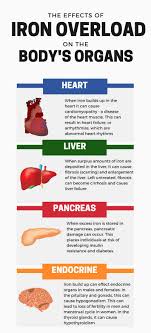
Iron is an essential nutrient for our bodies, but like many other nutrients, it can be toxic if present in excess. Many people are unaware that iron is so toxic that its absorption from the digestive tract is strictly regulated. When these safety mechanisms fail due to excessive iron intake, serious health problems can arise.
Let’s dive deeper into this topic and explore what we need to know about iron toxicity.
What is Iron?
Iron is a dietary mineral essential for our bodies, primarily used by red blood cells. It plays a crucial role in forming hemoglobin, a protein present in red blood cells that carries oxygen to all cells in the body. Without sufficient iron, the formation of hemoglobin cannot occur, leading to anemia and potentially life-threatening complications.
There are two types of dietary iron:
- Heme Iron, or hematite, found mainly in animal products, especially red meat.
- Non-heme iron, or non-hematite, found in both animals and plants. Its absorption can be improved with organic acids like vitamin C, but it’s decreased by plant-based compounds like phytates.
Iron deficiency is a common issue, especially among women. In fact, iron deficiency is the most prevalent mineral deficiency worldwide.
Regulation of Iron
Our bodies tightly regulate iron levels due to its essential role in various bodily functions and potential toxicity. The epcidin, an hormone regulating iron balance, plays a key role in maintaining equilibrium by suppressing iron absorption from the digestive tract.
When there are high levels of iron, epcidin levels increase, reducing iron absorption. Conversely, when iron levels are low, epcidin levels decrease, allowing for increased iron absorption. This delicate balance usually works well, but certain conditions can disrupt it, leading to excessive iron intake and potential toxicity.
Why is Iron Toxic?
Excessive iron in the blood can lead to an acute or gradual poisoning. High levels of iron can cause various serious health problems, including:
- Accidental overdose: This occurs when a person consumes too much iron-rich food or supplement, leading to severe symptoms.
- Long-term use of high-dose supplements: Taking excessive amounts of iron supplements for extended periods can lead to chronic overload and potential damage to internal organs.
- Chronic overload: This is caused by persistent exposure to high levels of iron in the diet, often found in individuals with genetic disorders or those who consume large amounts of iron-rich foods.
To understand this, we need to consider how little free iron normally circulates in the bloodstream. Iron is tightly bound to proteins like transferrin, preventing damage. However, excessive iron can increase free iron levels, leading to oxidative stress and cellular damage.
Certain conditions can lead to increased free iron levels:
- Iron overload, typically found in children or due to high-dose supplement use
- Hemochromatosis, a genetic disorder characterized by excessive iron absorption from food
- High-iron diet, often referred to as “ferro africanus,” where high levels of iron are present in foods and beverages
The first symptoms of iron overload can include stomach pain, nausea, and vomiting. As iron accumulates in internal organs, it can cause potentially fatal damage to the brain and liver. Long-term use of high-dose supplements can also lead to similar symptoms.
We cannot stress enough the importance of consulting a doctor for personalized advice on iron intake and supplement use. This way, you’ll receive tailored guidance on your specific needs and learn how to avoid potential toxicity from excessive iron consumption.
Frequently Asked Questions
- What is the difference between heme and non-heme iron?
- Heme iron comes primarily from animal sources, while non-heme iron is found in both animal and plant-based foods.
- How does epcidin regulate iron levels?
- Epcidin suppresses iron absorption from the digestive tract when iron levels are high and increases it when levels are low.
- What are some common causes of excessive iron intake?
- High-dose supplement use, genetic disorders like hemochromatosis, and diets high in iron-rich foods can all lead to excessive iron consumption.
- How can I avoid iron overload?
- Consult with a doctor about your specific needs, monitor your iron levels regularly, and follow recommended dietary guidelines for optimal iron intake.
- What are the symptoms of iron overdose?
- Initial symptoms may include stomach pain, nausea, and vomiting, while more severe damage to internal organs can occur if left untreated.
By understanding the risks associated with excessive iron consumption and taking steps to maintain a healthy balance, you can protect your overall health and well-being. It is crucial to consult with a doctor for personalized advice on iron intake and supplement use, as they can provide tailored guidance based on individual needs and circumstances.
In addition to medical supervision, there are several measures that can be taken to minimize the risk of iron overload:
- Choose iron-rich foods wisely: Select foods that are rich in heme iron, such as red meat, poultry, fish, beans, lentils, and fortified cereals.
- Limit non-heme sources: While non-heme iron is essential for overall health, excessive consumption can contribute to overload. Limit your intake of plant-based sources like spinach, kale, and other leafy greens.
- Avoid supplements unless necessary: If you are not experiencing symptoms of iron deficiency, consult with a doctor before taking high-dose iron supplements.
- Monitor iron levels regularly: Regular blood tests can help identify potential issues with iron overload or deficiency.
By being aware of the risks associated with excessive iron consumption and taking proactive steps to maintain a healthy balance, you can safeguard your health and well-being for years to come.


