
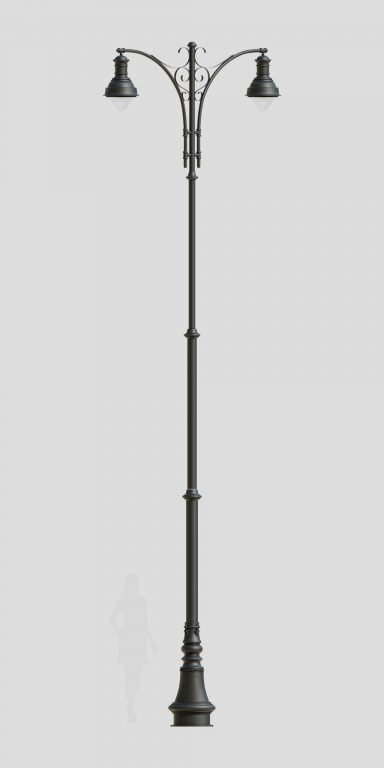
In today’s world, urban lighting is no longer just a necessity, but an opportunity to create beautiful and sustainable cities. Smart urban lights are the latest innovation in this field, offering a combination of design, functionality, and environmental friendliness that is hard to resist.
The Importance of Energy Efficiency
Before we dive into the features of smart urban lights, it’s essential to understand why energy efficiency is crucial. Traditional streetlights can be expensive to maintain, and their high energy consumption contributes to greenhouse gas emissions and climate change. Smart urban lights, on the other hand, use advanced technology to minimize energy waste and reduce carbon footprints.
The Concept of Solar-Powered Streetlights
One of the most innovative approaches to smart urban lighting is the concept of solar-powered streetlights. By harnessing the power of the sun during the day, these lights can store energy for use at night, reducing the need for grid electricity and lowering energy bills. This approach not only saves money but also reduces our reliance on non-renewable energy sources.
Solar Power: A Growing Industry
The solar power industry has experienced significant growth in recent years, with the global market expected to reach $1.3 trillion by 2027. Solar-powered streetlights are becoming increasingly popular as cities look for innovative ways to reduce their carbon footprint and save money on energy costs.
Benefits of Solar-Powered Streetlights
There are several benefits to using solar-powered streetlights, including:
- Reduced energy costs: By harnessing the power of the sun during the day, these lights can store energy for use at night, reducing the need for grid electricity.
- Lower carbon emissions: Solar-powered streetlights produce no greenhouse gas emissions, making them a cleaner and more environmentally friendly option than traditional streetlights.
- Increased durability: Solar panels on streetlights can extend their lifespan by up to 50%, reducing maintenance costs over time.
Challenges and Limitations
While solar-powered streetlights offer several benefits, there are also some challenges and limitations to consider. For example:
- Initial investment costs: While the cost of solar panels has decreased significantly in recent years, the initial investment required to install solar-powered streetlights can still be high.
- Intermittent energy source: Solar power is an intermittent energy source, which means that it’s not always available when it’s needed. This can lead to reduced performance and increased maintenance costs.
Adam Mikloski’s Mango Street Light
One of the most innovative approaches to smart urban lighting is Adam Mikloski’s Mango Street Light project. This design combines solar panels and energy storage systems to provide sustainable lighting for the streets of New Delhi. By using locally sourced materials and minimizing waste, this project sets a great example for sustainable urban development.
The Mango Street Light Project
Mikloski’s project uses a combination of solar panels, batteries, and LED lights to create a sustainable and efficient streetlight system. The design is inspired by traditional Indian lanterns and features a unique blend of modern materials and techniques.
Benefits of the Mango Street Light Project
There are several benefits to using the Mango Street Light project as a model for smart urban lighting:
- Sustainable energy source: The use of solar panels provides a sustainable and renewable energy source, reducing our reliance on fossil fuels.
- Energy efficiency: The LED lights used in the design are highly energy-efficient, reducing energy consumption by up to 80%.
- Low maintenance costs: The use of locally sourced materials and minimized waste reduces maintenance costs over time.
High-Performance Streetlights: A Cost-Effective Solution
For cities looking to reduce their energy consumption without sacrificing performance, high-performance streetlights like the Archilede High Performance are an excellent option. With its LED lighting system, this lamp can reduce energy costs by up to 80%. This technology ensures that our streets remain safe and well-lit while minimizing our environmental impact.
The Benefits of High-Performance Streetlights
There are several benefits to using high-performance streetlights like the Archilede High Performance:
- Energy efficiency: LED lighting reduces energy consumption by up to 80%, making it a highly efficient option for urban lighting.
- Cost savings: By reducing energy consumption, cities can save money on their energy bills and reduce maintenance costs over time.
- Increased safety: The use of high-performance streetlights ensures that our streets remain safe and well-lit, reducing the risk of accidents and crime.
Made in Italy: SmartLight and Lotus
In Italy, there are also innovative solutions being developed for smart urban lighting. The SmartLight system, made in Italy, uses low-impact technology and locally sourced materials to provide efficient and sustainable lighting for public spaces. Meanwhile, designer Giancarlo Zema has created the Lotus lamp, which not only provides illumination but also offers various configurations that can protect pedestrians from the elements, generating enough energy to power an electric vehicle.
The SmartLight System
The SmartLight system uses a combination of low-impact technology and locally sourced materials to provide efficient and sustainable lighting for public spaces. The design is inspired by traditional Italian lighting systems and features a unique blend of modern materials and techniques.
Benefits of the SmartLight System
There are several benefits to using the SmartLight system as a model for smart urban lighting:
- Sustainable energy source: The use of low-impact technology provides a sustainable and renewable energy source, reducing our reliance on fossil fuels.
- Energy efficiency: The LED lights used in the design are highly energy-efficient, reducing energy consumption by up to 80%.
- Low maintenance costs: The use of locally sourced materials reduces maintenance costs over time.
The Lotus Lamp
The Lotus lamp is designed by Giancarlo Zema and features a unique blend of modern materials and techniques. This lamp not only provides illumination but also offers various configurations that can protect pedestrians from the elements, generating enough energy to power an electric vehicle.
Benefits of the Lotus Lamp
There are several benefits to using the Lotus lamp as a model for smart urban lighting:
- Sustainable energy source: The use of solar panels generates a sustainable and renewable energy source, reducing our reliance on fossil fuels.
- Energy efficiency: The LED lights used in the design are highly energy-efficient, reducing energy consumption by up to 80%.
- Increased safety: The use of the Lotus lamp provides additional protection for pedestrians from the elements, increasing safety and well-being.
Harnessing Wind Energy
In addition to solar-powered streetlights, another innovative approach is harnessing wind energy to generate electricity. The WindTulip lamp uses a combination of LED lighting, batteries, and turbines to capture the kinetic energy of the wind, providing a reliable source of power for urban lighting.
Benefits of Harnessing Wind Energy
There are several benefits to using wind energy as a source of power for streetlights:
- Sustainable energy source: The use of wind energy provides a sustainable and renewable energy source, reducing our reliance on fossil fuels.
- Energy efficiency: The LED lights used in the design are highly energy-efficient, reducing energy consumption by up to 80%.
- Increased safety: The use of wind turbines can provide additional protection for pedestrians from weather-related hazards.
Holonic Streetlamp: A Hybrid Solution
For those who want to maximize their energy efficiency, the Holonic Streetlamp offers an even more comprehensive solution. This lamp can harness both wind and solar energy, providing a reliable source of power for urban lighting while minimizing our environmental impact.
Benefits of the Holonic Streetlamp
There are several benefits to using the Holonic Streetlamp as a model for smart urban lighting:
- Sustainable energy source: The use of both wind and solar energy provides a sustainable and renewable energy source, reducing our reliance on fossil fuels.
- Energy efficiency: The LED lights used in the design are highly energy-efficient, reducing energy consumption by up to 80%.
- Increased safety: The use of both wind and solar energy can provide additional protection for pedestrians from weather-related hazards.
Conclusion
Smart urban lights are not just a future trend; they are an essential step towards creating more sustainable and livable cities. With their advanced features, energy efficiency, and environmentally friendly design, smart urban lights offer a bright future for urban development. As cities continue to grow and evolve, it’s crucial that we prioritize sustainability and innovation in our approach to street lighting.
Frequently Asked Questions
- What is the main benefit of solar-powered streetlights?
Solar-powered streetlights can reduce energy costs and lower our reliance on non-renewable energy sources. - How do smart urban lights compare to traditional streetlights?
Smart urban lights offer advanced features, such as energy efficiency and sustainability, that traditional streetlights cannot match. - What is the purpose of using LED lighting in high-performance streetlights?
LED lighting reduces energy consumption while maintaining a high level of performance and safety. - How do smart lights differ from regular streetlights in terms of design?
Smart lights often feature innovative designs, such as Lotus, which provide not only illumination but also protection from the elements. - Can smart urban lights be powered by both wind and solar energy?
Yes, some lamps, like the Holonic Streetlamp, can harness both wind and solar energy to generate electricity. - What is the role of industrial designers in developing sustainable streetlights?
Industrial designers play a crucial role in creating innovative and sustainable streetlight designs that balance functionality with environmental friendliness. - How do smart urban lights impact local economies?
Smart urban lights can create jobs, stimulate innovation, and increase property values while reducing energy costs for cities. - What is the best way to ensure the widespread adoption of smart urban lights?
A combination of government policies, community engagement, and education can help ensure the successful implementation of smart urban lighting solutions.
By prioritizing sustainability and innovation in our approach to street lighting, we can create brighter, more livable cities for generations to come.


