
Understanding Cortisol: The Body’s Natural Response to Stress
Cortisol is a vital hormone that plays a crucial role in maintaining the body’s homeostasis. It regulates various physiological processes, including metabolism, blood sugar levels, blood pressure, heart rate, and inflammation. Cortisol also helps regulate the immune system and is produced by the adrenal glands in response to stress.
When we experience stress, whether it’s physical, emotional, or psychological, our body responds by releasing cortisol into the bloodstream. This hormone serves as a natural “fight-or-flight” response, preparing our body to either confront the threat or flee from it. Cortisol helps increase energy levels, suppresses non-essential functions, and aids in the regulation of blood sugar levels.
However, chronically elevated cortisol levels can have detrimental effects on our health, leading to a range of symptoms and complications. In this article, we will explore the causes, symptoms, and prevention methods for high cortisol levels, as well as discuss lifestyle changes and stress management techniques that can help mitigate its negative impact.
Causes of High Cortisol Levels
High cortisol levels can be caused by a range of factors, including:
- Stress: Whether it’s physical, emotional, or psychological, chronic stress can lead to elevated cortisol levels.
- Hypertension: High blood pressure is often accompanied by high cortisol levels, as the body’s natural response to stress involves increasing heart rate and blood pressure.
- Digestive problems: Certain digestive disorders, such as irritable bowel syndrome (IBS), can contribute to high cortisol levels.
- Physical exertion: Intensive exercise or physical activity can lead to increased cortisol production.
- Obesity: Excess weight can lead to inflammation, which in turn increases cortisol production.
- Irritability: Mood swings and irritability are common symptoms of chronic stress, which can contribute to high cortisol levels.
- Difficulty sleeping: Poor sleep quality and duration can disrupt the body’s natural cortisol rhythm.
- Hyperthyroidism: An overactive thyroid gland can lead to increased cortisol production.
- Elevated blood sugar levels: Uncontrolled blood sugar levels can cause inflammation and increase cortisol production.
Other potential causes of high cortisol levels include:
- Sudden Cushing syndrome (a rare endocrine disorder)
- Adrenal tumors or infections
- Liver disease
- Heart attack or stroke
Normal Cortisol Levels
Cortisol levels vary throughout the day, with peaks in the morning and lower levels at night. To determine normal cortisol levels, a blood test or urine sample is taken. The American Academy of Endocrinology recommends the following reference ranges:
- 6-23 micrograms per deciliter (mcg/dL) for cortisol levels measured between 8 am and 12 pm
Symptoms of High Cortisol Levels
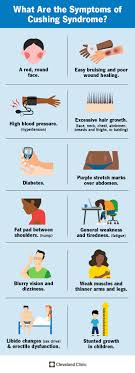
High cortisol levels can have devastating effects on the body, including:
- Fatigue: Elevated cortisol levels can lead to feelings of exhaustion and lethargy.
- Weight gain: Excess cortisol production can contribute to weight gain, particularly in the midsection.
- Insomnia: Poor sleep quality and duration are common symptoms of high cortisol levels.
- Mood changes: Chronic stress and elevated cortisol levels can lead to mood swings, irritability, and anxiety.
- Blood pressure fluctuations: High cortisol levels can cause blood pressure spikes and dips.
- Increased risk of cardiovascular disease: Chronically elevated cortisol levels have been linked to an increased risk of heart disease, stroke, and high blood pressure.
Managing High Cortisol Levels
To manage high cortisol levels, it’s essential to identify and address the underlying causes. Your healthcare provider may recommend the following treatments:
- Medications to regulate cortisol production
- Lifestyle changes (e.g., exercise, sleep schedule adjustments)
- Dietary modifications (e.g., reducing sugar intake)
Lifestyle Changes to Lower Cortisol Levels
To reduce cortisol levels naturally, try these tips:
- Stay hydrated by drinking plenty of water throughout the day.
- Prioritize getting 7-9 hours of sleep each night.
- Eat a balanced diet with plenty of fruits and vegetables.
- Avoid heavy meals and snacks within a 3-5 hour window.
- Limit caffeine consumption (4 cups per day).
- Engage in regular physical activity, but avoid overexertion.
- Choose whole foods instead of processed or sugary options.
- Practice stress-reducing techniques (e.g., deep breathing, meditation).
Stress Management Techniques
In addition to lifestyle changes, try these stress management techniques:
- Deep breathing exercises: slow and deliberate breaths can calm the mind and body.
- Meditation: focus on a single point to quiet the mind and reduce cortisol levels.
- Animal-assisted therapy: spending time with pets or interacting with animals can lower cortisol levels.
- Hobbies: engage in activities that bring joy and relaxation (e.g., reading, music, exercise).
- Social connections: spend time with loved ones or join a social group to reduce feelings of loneliness.
Conclusion
High cortisol levels can have far-reaching consequences for overall health. By understanding the causes, symptoms, and prevention methods for high cortisol levels, individuals can take proactive steps towards managing their stress and maintaining optimal well-being.
Remember, managing stress and cortisol levels is an ongoing process that requires patience, self-awareness, and a willingness to make lifestyle changes. With the right strategies and support, it’s possible to reduce cortisol levels, improve overall health, and achieve a better quality of life.
Frequently Asked Questions (FAQs)
- Q: Can I treat high cortisol levels on my own?
A: While some lifestyle changes can help reduce cortisol levels, it’s always best to consult with a healthcare professional for personalized guidance. - Q: How long does it take to lower cortisol levels naturally?
A: The effects of lifestyle changes and stress management techniques can be seen within weeks or months, but individual results may vary. - Q: Can high cortisol levels lead to other health problems?
A: Yes, chronic high cortisol levels have been linked to a range of health issues, including cardiovascular disease, diabetes, and osteoporosis. - Q: How often should I test my cortisol levels?
A: Regular testing is not typically recommended unless you have been diagnosed with a cortisol-related disorder or are experiencing persistent symptoms. - Q: Can I take supplements to lower cortisol levels?
A: While some supplements (e.g., ashwagandha, omega-3 fatty acids) may help reduce cortisol levels, it’s essential to consult with a healthcare professional before adding any new supplements to your regimen. - Q: How can I manage stress without medication?
A: There are many effective non-pharmacological strategies for managing stress, including deep breathing exercises, meditation, and physical activity. - Q: Can high cortisol levels be reversed after a period of high stress?
A: While it’s possible to recover from high cortisol levels, prolonged exposure can lead to lasting changes in the body’s physiology. - Q: Are there any genetic factors that contribute to high cortisol levels?
A: Yes, some individuals may be more prone to high cortisol levels due to genetic predispositions or inherited conditions.
By understanding the causes and effects of high cortisol levels, individuals can take proactive steps towards managing their stress and maintaining optimal well-being.


