
Understanding High Albumin in Urine: Causes, Symptoms, and Diagnosis
If you’ve recently received a test result showing high albumin levels in your urine, you’re likely feeling concerned about what this means for your health. Don’t worry; we’re here to help you understand the situation and provide guidance on next steps.
What is Albumin in Urine?
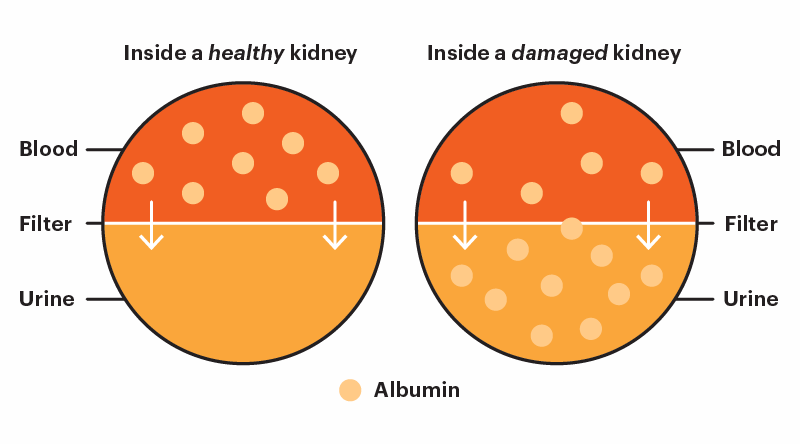
Albumin is a protein found in abundance in human blood, playing crucial roles such as hormone transport (thyroid and steroid hormones) or maintaining the correct oncotic pressure. In normal circumstances, albumin doesn’t appear in urine. However, when levels are elevated in the urine, it can indicate an underlying issue with your kidneys.
Albumin Levels in Urine: What to Expect
To determine if high albumin levels in urine need treatment, consider the following guidelines:
- A physiological value for albumin in urine ranges from 2 to 15 milligrams per day.
- Microalbuminuria refers to values between 15 and 300 milligrams per day.
- Macroalbuminuria (or chronic albuminuria) is considered if values exceed 300 milligrams per day.
While both micro and macroalbuminuria are related to high albumin in urine, the latter scenario triggers more alarm bells. In general, it’s recommended to consult a doctor if your albumin levels in urine fall into the micro or macro categories for an extended period of time.
Causes of High Albumin in Urine: A Heterogeneous List
The causes of high albumin in urine can be diverse. Here are some examples:
- Physiological and reversible causes:
- Pregnancy
- Physical exertion
- Common colds
- Influenza
- Menstrual cycle
- Orthostatic hypotension
- Clinical conditions affecting the kidneys:
- Intoxications
- Venous congestion
- Heart insufficiencies
- Poor protein-rich diet
- Hypertension
- Anemia
These causes can be grouped into two categories: “pre-renal” and “renal origin.” The former refers to conditions affecting the kidneys’ blood supply or function, while the latter relates to direct kidney damage or disease.
Understanding the Difference between Pre-Renal and Renal Conditions
To distinguish between pre-renal and renal conditions:
-
Pre-renal conditions:
- Carcinomas
- Destructive renal lesions
- Poisoning
- Tuberculosis
- Glomerulonephritis
-
Renal origin:
- Kidney infection
- Cystitis
- Urethritis
- Prostatitis
Symptoms of High Albumin in Urine
The symptoms associated with high albumin levels in urine may vary depending on the underlying cause. Some common symptoms include:
- Frequent urination
- Blood in urine
- Swelling or edema
- Fatigue
- Weight loss
In some cases, there may be no noticeable symptoms at all.
Diagnosis and Treatment
If you’ve been diagnosed with high albumin levels in your urine, your doctor will likely perform a series of tests to determine the cause. These may include:
- Urine analysis: This involves collecting a urine sample for laboratory testing.
- Blood tests: To check blood pressure, kidney function, and other factors that could be contributing to high albumin levels.
- Imaging studies (e.g., ultrasound or CT scans): To visualize the kidneys and surrounding areas.
Based on the results of these tests, your doctor may recommend various treatments to manage your condition. This may include:
- Lifestyle changes: Such as maintaining a healthy weight, reducing sodium intake, and increasing potassium consumption.
- Medications: To help control blood pressure or reduce proteinuria (excess protein in the urine).
- Dietary modifications: To ensure adequate nutrient intake while limiting protein-rich foods.
In some cases, your doctor may recommend further evaluation to determine the underlying cause of high albumin levels in your urine. This could involve:
- Renal biopsy: A procedure where a sample of kidney tissue is removed for examination.
- Angiography or other imaging studies: To visualize blood vessels and check for blockages.
Preventing High Albumin Levels in Urine
To reduce the risk of developing high albumin levels in urine, consider the following preventive measures:
- Maintain a healthy weight: Excess weight can increase blood pressure and strain the kidneys.
- Eat a balanced diet: Include plenty of fruits, vegetables, whole grains, and lean protein sources while limiting processed foods and added sugars.
- Stay hydrated: Drink plenty of water throughout the day to help flush out toxins and maintain proper kidney function.
By understanding the causes, symptoms, and diagnosis of high albumin levels in urine, you can take steps to prevent this condition from occurring or address it if it has already developed.


