
As a seasoned gardener, you’re likely familiar with the joys of nurturing a thriving ibiscus plant. But did you know that proper pruning and renewal are essential for maintaining its vibrant health? In this article, we’ll delve into the world of ibiscus care, exploring the best practices for pruning, renovating, and enjoying these stunning flowers.
What is an Ibiscus Plant?
The ibiscus plant (Hibiscus rosa-sinensis) is a versatile, evergreen shrub that thrives in warm climates. With over 300 species to choose from, you can select the perfect variety for your garden or indoor space. These plants boast large, dark green leaves and showy flowers in a range of colors, making them a favorite among gardeners and designers.
The Importance of Pruning
Pruning is an essential part of ibiscus care, as it helps maintain the plant’s shape, promotes healthy growth, and encourages blooming. Regular pruning also prevents overgrowth, reduces stress, and prevents disease spread. In this article, we’ll explore how to prune your ibiscus like a pro.
When to Prune Your Ibiscus
The ideal time for pruning depends on the specific growing conditions of your plant. As a general rule, it’s best to prune in late spring or early summer, when new growth has begun but before the heat of summer sets in. This allows you to see the results of your pruning efforts and enjoy a bountiful harvest.
How to Prune Your Ibiscus
- Prepare your tools: Gather your pruning shears, loppers, or pruning saw, depending on the size of the stems you need to trim.
- Remove dead or damaged branches: Cut off any broken or diseased branches at the base to prevent further damage and promote healthy growth.
- Shape the plant: Prune any overgrown or unruly branches to maintain a balanced shape and encourage new growth.
Renewing Your Ibiscus Plant
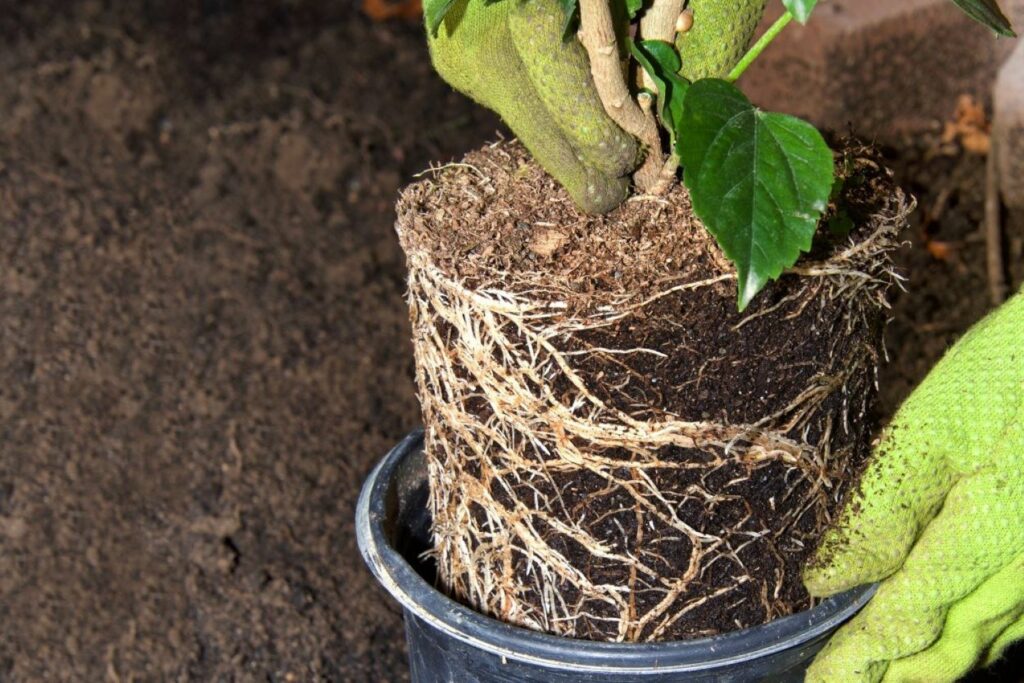
As your ibiscus plant grows, it’s essential to renew its soil every few years to prevent nutrient depletion and promote healthy root growth. Here’s how:
- Choose the right potting mix: Select a high-quality potting mix that contains organic matter and perlite or vermiculite for improved drainage.
- Repot your ibiscus: Transfer your plant into a slightly larger container to give its roots room to expand and absorb more nutrients.
Tips for Caregiving
In addition to pruning and renewing, there are several other tips to ensure the long-term health of your ibiscus plant:
- Provide adequate sunlight: Place your plant in direct sunlight for at least 6 hours a day to promote healthy growth.
- Water wisely: Avoid overwatering, which can lead to root rot and other problems. Water only when the soil feels dry to the touch.
- Fertilize sparingly: Feed your plant with a balanced fertilizer during the growing season (spring-fall), but avoid overfertilizing.
Common Problems
While ibiscus plants are relatively low-maintenance, there are some common issues that can arise:
- Leaf drop: Leaf drop can be caused by underwatering, overwatering, or exposure to extreme temperatures.
- Root rot: This condition occurs when the roots of your plant become waterlogged, leading to root death.
Propagation Methods
Ibiscus plants can be propagated through various methods:
- Division: Divide the roots of a mature plant into smaller sections and replant them in a pot filled with moistened soil.
- Cuttings: Take 4-6 inch stem cuttings from new growth, remove lower leaves, and plant them in a pot filled with moistened soil.
Pest Control
To prevent pest infestations, follow these tips:
- Inspect your plant regularly: Check for signs of pests like aphids, whiteflies, or spider mites.
- Use organic pest control methods: Apply neem oil, insecticidal soap, or horticultural oil to control pests without harming the environment.
Common Pests
Some common pests that can infest your ibiscus plant include:
- Aphids: Small, soft-bodied insects that feed on plant sap.
- Whiteflies: Tiny, winged insects that feed on plant sap and spread disease.
- Spider mites: Tiny, spider-like insects that feed on plant sap and cause yellowing leaves.
Conclusion
With proper care and attention, your ibiscus plant will thrive and provide a stunning display of color for years to come. Remember to prune regularly, renew its soil every few years, and follow these expert tips for a healthy and thriving plant.
Here are some frequently asked questions about the ibiscus plant:
Q: How often should I water my ibiscus?
A: Water your ibiscus when the top 1-2 inches of soil feel dry to the touch. Avoid overwatering, which can lead to root rot and other problems.
Q: Can I grow an ibiscus plant indoors?
A: Yes, you can grow an ibiscus plant indoors in a pot that’s at least 6-8 inches deep. Provide it with bright, indirect light and maintain a consistent temperature between 65°F to 75°F (18°C to 24°C).
Q: How often should I fertilize my ibiscus?
A: Feed your ibiscus plant with a balanced fertilizer during the growing season (spring-fall). Dilute the fertilizer to half the recommended strength to avoid burning the roots.
Q: What is the best way to propagate an ibiscus plant?
A: Propagate your ibiscus plant by dividing the roots or taking cuttings from the tips of new growth. Take 4-6 inch stem cuttings, remove lower leaves, and plant them in a pot filled with moistened soil.
Q: Can I grow an ibiscus plant in cold climates?
A: No, it’s not recommended to grow an ibiscus plant in cold climates (USDA zones 3-5). They require temperatures above 65°F (18°C) to thrive.


