
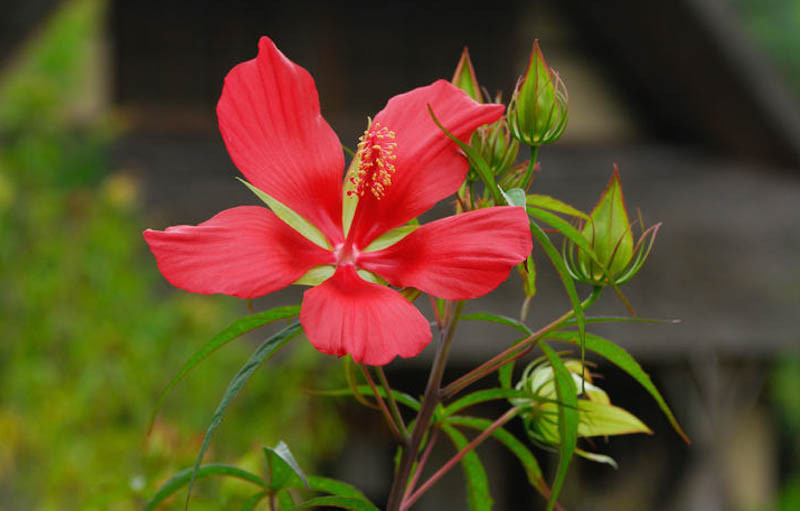
As a gardener, you’re always on the lookout for new and exciting plants to add to your collection. One such plant that’s worth considering is the Hibiscus coccineus, also known as the Scarlet Hibiscus or Texas Star. This beautiful flower has a unique appearance and can thrive in a variety of environments, making it an ideal choice for gardeners of all levels.
What is Hibiscus Coccineus?
Hibiscus coccineus is a species of hibiscus that’s native to the coastal plains of the southeastern United States. While its name might suggest that it’s commonly found in Texas, this plant actually has its roots in the Virginia, Florida, and Louisiana regions. Despite its origins, Hibiscus coccineus has adapted well to our climate and can be easily cultivated in gardens across the Northern United States.
Characteristics of the Leaves and Flowers
One of the most striking features of Hibiscus coccineus is its unique leaf shape and color. The leaves are palmate, with five pointed lobes that resemble those of the cannabis plant. The flower itself is characterized by 5 scarlet petals that have clear margins and are spaced evenly apart. This differs from other hibiscus varieties like Hibiscus rosa-sinensis, which have overlapping petals.
In terms of its growth habit, Hibiscus coccineus can grow up to 6 feet tall, with a spread of around 4-5 feet. The plant has a bushy shape and is often used as an ornamental shrub in gardens. Its large leaves provide shade and create a beautiful canopy for smaller plants and flowers.
Growing Conditions
Hibiscus coccineus prefers well-draining soil with a medium to high pH level. It’s also important to provide the plant with plenty of sunlight or partial shade. In terms of temperature, this plant is relatively hardy and can withstand light frost. However, prolonged exposure to extreme temperatures may damage the leaves.
Cultivation Tips
To encourage healthy growth and blooming, follow these tips:
- Plant in a sunny or partially shaded location
- Water frequently during the summer months
- Fertilize with organic matter in well-draining soil
- Divide or prune the plant regularly to maintain its shape
It’s also important to provide your Hibiscus coccineus with regular maintenance, including:
- Mulching around the base of the plant to retain moisture and suppress weeds
- Pruning old flowers to encourage new growth and blooming
- Repotting the plant every 2-3 years to refresh the soil and promote healthy root growth
The White Hibiscus Coccineus: A Rare Variant
In addition to the scarlet-flowered variety, there’s also a white variant of Hibiscus coccineus. This rare and beautiful flower has a pale white color with delicate pink undertones. While it’s not as common as its red counterpart, this plant is still worth cultivating for its unique appearance.
The white variant of Hibiscus coccineus is often referred to as the “ghost” hibiscus due to its ghostly appearance in the garden. It’s a popular choice among horticulturists and gardeners who want to add a touch of elegance and sophistication to their gardens.
Propagation Methods
Hibiscus coccineus can be propagated through division or cutting. Cutting involves taking sections of stem and planting them in soil, while division involves separating the roots to create new plants. Sowing seeds is also an option, but it may require some trial and error.
To increase your chances of success with seed propagation, make sure to:
- Use fresh, high-quality seeds
- Plant the seeds in well-draining soil with a medium to high pH level
- Provide plenty of sunlight and maintain a consistent temperature
Caring for Your Hibiscus Coccineus
To keep your Hibiscus coccineus thriving, follow these care tips:
- Water frequently during hot summer months
- Fertilize regularly with organic matter
- Prune the plant to maintain its shape
It’s also important to monitor your plant’s health and address any issues promptly. Some common problems that can affect Hibiscus coccineus include:
- Pests: aphids, whiteflies, and spider mites
- Diseases: root rot, leaf spot, and powdery mildew
- Environmental stressors: extreme temperatures, drought, and flooding
Frequently Asked Questions
- Q: Is Hibiscus coccineus a low-maintenance plant?
A: Yes, Hibiscus coccineus is relatively easy to care for and can thrive in a variety of environments. - Q: Can I grow Hibiscus coccineus indoors?
A: While it’s possible to grow Hibiscus coccineus indoors, it may require more attention and care due to its sensitivity to temperature fluctuations. - Q: How do I propagate my Hibiscus coccineus?
A: You can propagate your plant through division or cutting, but sowing seeds may be a more challenging option. - Q: Is the white variant of Hibiscus coccineus as rare as its scarlet counterpart?
A: Yes, the white variant is relatively rare and harder to find than the red-flowered variety. - Q: Can I grow Hibiscus coccineus in areas with extreme temperatures?
A: While Hibiscus coccineus can withstand light frost, prolonged exposure to extreme temperatures may damage the leaves. - Q: How often should I water my Hibiscus coccineus?
A: Water your plant frequently during hot summer months, but avoid overwatering which can lead to root rot. - Q: Can I grow multiple varieties of Hibiscus coccineus in the same garden?
A: While it’s possible to grow multiple varieties together, make sure to provide each plant with its own specific growing conditions and space.
Conclusion
Hibiscus coccineus is a unique and beautiful plant that can add a touch of elegance and sophistication to any garden. With its striking leaves and flowers, it’s a popular choice among horticulturists and gardeners who want to create a stunning display of color and texture in their outdoor spaces.
By following these cultivation tips and guidelines, you’ll be well on your way to cultivating a thriving Hibiscus coccineus plant that will provide beauty and joy for years to come. Happy gardening!


