
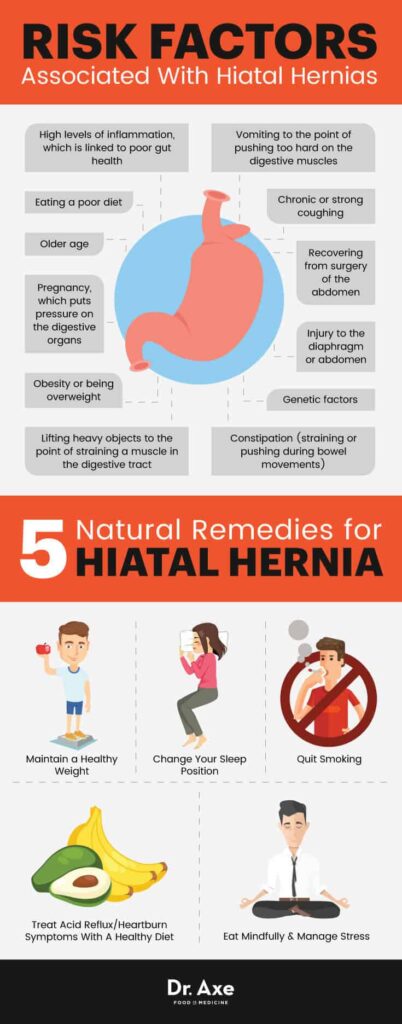
What is a Hiatal Hernia?
A hiatal hernia is a specific condition where a portion of the stomach bulges up through an opening in the diaphragm into the chest cavity. This can cause discomfort and complications if left untreated. The term “hiatal” refers to the hiatus, which is the gap between the esophagus and the stomach that allows food to pass from one organ to another.
Diagnosing Hiatal Hernia
A diagnosis of hiatal hernia can be made using radiography (x-ray) or endoscopy, which involve swallowing a barium solution to highlight the digestive tract on an x-ray. During an endoscopy, a thin tube with a camera and light is inserted through the mouth to visually inspect the esophagus, stomach, and duodenum.
Symptoms of Hiatal Hernia
While many cases of hiatal hernia are asymptomatic, some people may experience uncomfortable symptoms such as:
- Difficulty digesting food
- Frequent belching
- Bloating
- Stomach pain
In severe cases, hiatal hernia can cause more serious complications like gastroesophageal reflux disease (GERD), heartburn, and chest pain. GERD is a condition where the stomach acid flows back up into the esophagus, causing symptoms such as:
- Burning sensation in the chest
- Difficulty swallowing
- Regurgitation of food
Connection between Hiatal Hernia and GERD
Hiatal hernia is often linked with GERD, which occurs when the ring of muscle at the end of the esophagus relaxes, allowing stomach acid to flow back up into the esophagus. This can lead to additional symptoms such as a burning sensation in the chest and difficulty swallowing.
Food Choices for Hiatal Hernia
A healthy diet plays a crucial role in managing hiatal hernia symptoms. Certain foods may worsen symptoms, while others may alleviate them. Here are some recommended “yes” foods:
- Lean meats
- Fish
- Pasta
- Bread
- Rice
- Fresh fruits (except citrus)
- Low-fat cheeses
- Leafy greens
- Vegetables
Recommended Food Schedule for Hiatal Hernia
To avoid putting strain on the digestive system, it’s best to eat small, frequent meals throughout the day. This can help manage symptoms and prevent discomfort.
- Eat 4-6 smaller meals per day
- Avoid eating close to bedtime
- Choose low-fat or fat-free dairy products
Foods to Avoid with Hiatal Hernia
On the other hand, there are some foods that may exacerbate hiatal hernia symptoms or worsen GERD. These include:
- Caffeine
- Soda
- Chocolate
- Citrus fruits
- Tomatoes
- Onions
- Processed meats
- Fried foods
- High-fat dairy products
Avoiding Smoking
Smoking can worsen hiatal hernia symptoms by relaxing the muscles in the digestive system. Quitting smoking can help alleviate discomfort and improve overall health.
Natural Remedies for Hiatal Hernia
While diet plays a crucial role in managing hiatal hernia, there are some natural remedies that may help alleviate symptoms:
- Chamomile tea
- Mirtilli juice (papaya extract)
- Apple cider vinegar
However, it’s essential to consult with your doctor before using any new supplements or remedies.
Exercise and Sleeping Habits
To reduce strain on the digestive system, avoid heavy exercise within a few hours of eating. Also, try to sleep on your side instead of your back, which can put pressure on the stomach.
- Aim for 30 minutes of moderate-intensity exercise per day
- Avoid lying down after eating
- Use a wedge pillow or elevate the head of the bed by 6-8 inches
Preventing Hiatal Hernia
While some cases may be unavoidable, maintaining a healthy lifestyle through diet and exercise can help prevent or alleviate symptoms.
Frequently Asked Questions (FAQs)
Q: What is the best way to treat hiatal hernia?
A: A combination of dietary changes, natural remedies, and avoiding triggers can help manage symptoms. However, it’s crucial to consult with your doctor for personalized advice.
Q: Can I prevent hiatal hernia from occurring in the first place?
A: Maintaining a healthy lifestyle through diet, exercise, and stress management can reduce the risk of developing hiatal hernia.
Q: How long does it take to recover from hiatal hernia symptoms?
A: Symptoms can take several weeks to months to alleviate with proper treatment and dietary changes. If left untreated, complications can develop over time.
Q: Can I still consume caffeine while suffering from hiatal hernia?
A: While moderate amounts of caffeine may not be too problematic for most people, excessive consumption can exacerbate symptoms.
Q: How often should I exercise if I have a hiatal hernia?
A: Light to moderate exercise is recommended, but avoid heavy exercise within 2-3 hours of eating to prevent discomfort.
Q: Are there any supplements that can help with hiatal hernia symptoms?
A: Certain natural remedies like chamomile tea and mirtilli juice may alleviate symptoms. However, consult your doctor before using any new supplements.
Q: Can I still consume dairy products if I have a hiatal hernia?
A: Low-fat or fat-free dairy products are generally recommended to avoid exacerbating symptoms.
Q: How can I manage stress while dealing with hiatal hernia symptoms?
A: Stress-reducing techniques like meditation, deep breathing exercises, and yoga can help alleviate overall discomfort and improve well-being.


