
Understanding the Difference Between Papilloma Herpes and Herpes
When discussing sexually transmitted diseases, along with HIV (AIDS) and human papillomavirus (HPV), you often hear mention of “papilloma herpes.” However, this term is largely misleading. In reality, we have two distinct conditions: HPV and herpes.
Let’s dive into the details to clarify the differences between these two infections.
The Myth of Papilloma Herpes
Papilloma herpes doesn’t exist. It’s essential to distinguish between HPV and herpes, as they are not related conditions. The confusion arises from several factors that link these two viruses, including their transmission through sexual contact. According to epidemiological data, Italy has the highest rates of sexually transmitted infections (STIs), with both HPV and herpes being among the most common.
Human Papillomavirus (HPV)
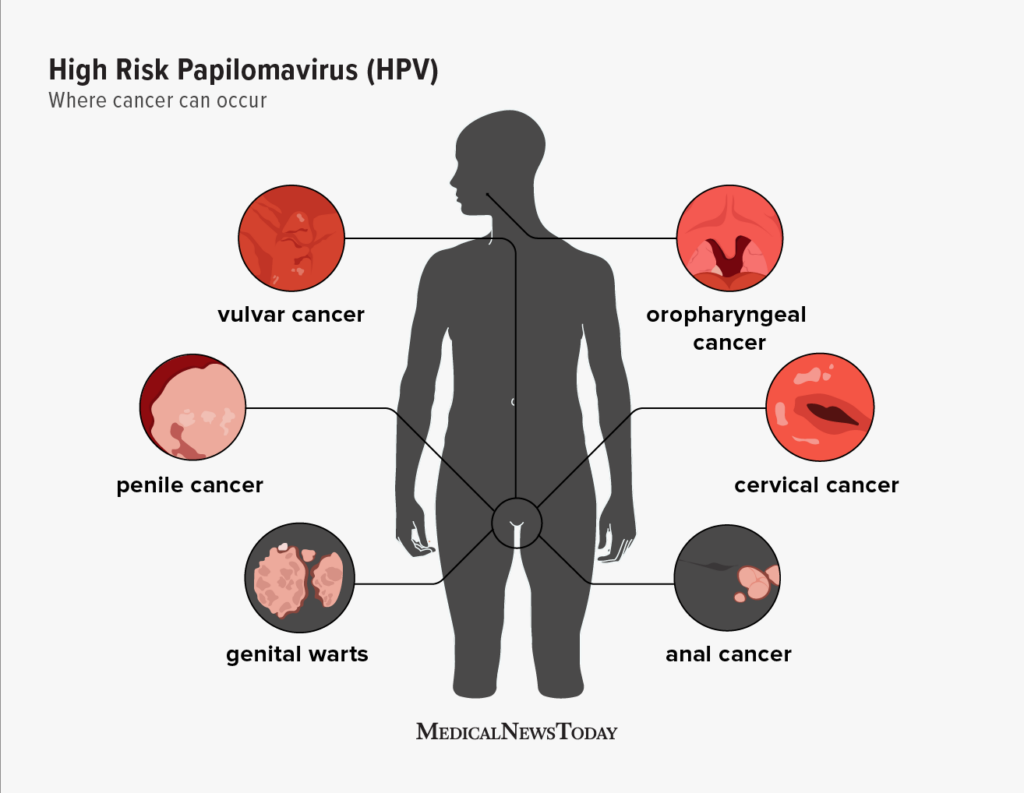
HPV is one of the viruses responsible for causing mucosal lesions that can degenerate into cancer. There are 120 types of HPV virus, categorized into 16 distinct groups. These viruses can cause various health issues, including genital warts and cervical cancer.
HPV transmission occurs through skin-to-skin contact during intimate activities or sharing personal items like towels and razors.
The Connection between HPV and Herpes
Both HPV and herpes can cause lesions, although they are different conditions. Lesions caused by these viruses can be treated with medication, but the virus itself remains present in the body.
Understanding the risk factors for both HPV and herpes is crucial to prevent their transmission.
HPV vs Herpes: What’s the Difference?
The most common type of herpes is caused by the herpes simplex virus (HSV), which affects both men and women. This infection typically causes oral or genital lesions, but in most cases, it’s self-limiting and resolves on its own.
In contrast, HPV can cause various symptoms, including genital warts and changes to the cervix.
The Importance of Accurate Diagnosis
Accurate diagnosis is essential for effective treatment and prevention. If you suspect you may have either HPV or herpes, consult a healthcare professional for a proper evaluation.
Symptoms of HPV
HPV typically causes no symptoms in its early stages. However, if symptoms do appear, they may include:
- Genital warts: visible growths on the genital area
- Abnormal pap smear results: changes to the cervix that can lead to cancer
- Painless cervical bleeding: unusual bleeding during periods
Symptoms of Herpes
Herpes symptoms are usually painful and occur when the virus triggers an outbreak. Common symptoms include:
- Oral or genital lesions: blisters or sores on the skin
- Painful urination: difficulty urinating due to pain or burning sensation
- Fever: elevated body temperature
- Swollen lymph nodes: tender swelling in the neck or armpits
Protecting Yourself from HPV
Fortunately, there are vaccines available that protect against both male and female forms of HPV. It’s essential for children between 9-12 years old (and everyone else before starting intimate activities) to receive this vaccine.
If you’re unable to get vaccinated, regular check-ups with a healthcare provider can help identify potential issues early on.
HPV Testing and Screening
For women aged 25+, a routine gynecological exam every three years includes a simple vaginal swab test to detect HPV. Early detection can lead to effective treatment of the condition.
Understanding Condyloma Acuminatum
Condyloma acuminatum, also known as genital warts, are visible growths in the genital area that can be mistaken for herpes symptoms. These growths can be caused by multiple types of HPV virus and may not necessarily require treatment.
However, it’s essential to consult a healthcare professional to determine the cause and appropriate course of action.
Managing HPV: What to Do?
There are no “at-home” remedies for HPV; regular check-ups with a healthcare provider and following their advice are crucial. The earlier symptoms are detected, the more effective treatment is likely to be.
Treatment Options for HPV
Treatment options for HPV depend on the type of virus causing the condition and the severity of symptoms. Common treatments include:
- Cryotherapy: freezing the affected area to destroy the virus
- Loop electrosurgical excision procedure (LEEP): removing the infected tissue with a special tool
- Surgical removal: surgically removing the infected tissue or lesions
Managing Herpes: What to Do?
Herpes can be managed with antiviral medication and lifestyle changes. Antiviral medications can help reduce symptoms, frequency of outbreaks, and duration.
Frequently Asked Questions (FAQs)
Q: Is papilloma herpes a real condition?
A: No, there is no such thing as “papilloma herpes.” It’s essential to understand that HPV and herpes are two distinct conditions.
Q: How can I protect myself from HPV?
A: Regular vaccination in childhood and adolescence, along with regular check-ups, can help prevent HPV transmission.
Q: Can I get tested for HPV at any age?
A: Yes. Women aged 25+ should undergo a routine gynecological exam every three years to detect potential issues early on.
Q: What’s the difference between HPV and herpes?
A: While both viruses can cause lesions, they have distinct symptoms, causes, and treatments.
Q: Can I transmit HPV through other means besides sex?
A: No, transmission occurs primarily during intimate activities or sharing personal items.
Q: How often should I get vaccinated against HPV?
A: Vaccination is recommended for all children between 9-12 years old (and everyone else before starting intimate activities).
Q: What are the symptoms of condyloma acuminatum?
A: Visible growths in the genital area that can be mistaken for herpes symptoms.
Q: Can I treat HPV on my own, or do I need to see a healthcare provider?
A: There is no effective treatment for HPV; regular check-ups with a healthcare provider are necessary to manage symptoms and detect potential issues early on.


