
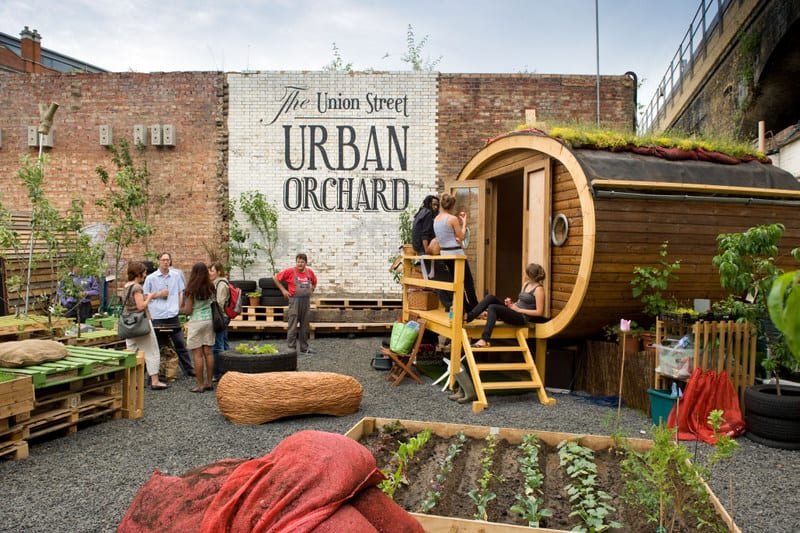
In a world where the concept of urban agriculture is gaining popularity, we often forget that it’s not just about growing food in cities. The idea of creating urban orchards has been floating around for some time now, but what exactly does it entail? In this article, we’ll delve into the world of urban orchards and explore their benefits, significance, and potential impact on our communities.
What are Urban Orchards?
Urban orchards refer to the cultivation of fruit-bearing trees in urban areas, often within public spaces such as parks, gardens, or even rooftops. These orchards are not just limited to individual plots but can also involve collaborative efforts among community members, local governments, and organizations. The ultimate goal is to create a sustainable and thriving ecosystem that benefits both the environment and the people living in these urban areas.
History of Urban Orchards
The concept of urban orchards has been around for centuries, with ancient civilizations like the Romans and Greeks cultivating fruit trees in their cities. However, it wasn’t until recent years that urban orchard initiatives began to gain momentum. In the United States, for example, there are now over 1,000 urban orchards across the country, providing fresh produce to communities in need.
Benefits of Urban Orchards
Urban orchards offer numerous benefits that extend beyond their physical presence in the city:
- Increased Food Accessibility: Urban orchards provide a reliable source of fresh, seasonal produce, especially for low-income households.
- Improved Mental Health: The therapeutic benefits of nature and gardening have been shown to reduce stress levels and improve mental well-being.
- Community Building: Orchards serve as community hubs, promoting social interaction, education, and skill-sharing among members.
Implementing Urban Orchards
To bring urban orchards to life, organizations like the Association Uomo e Territorio Pro Natura (AUPN) play a crucial role in:
- Designing and Implementing: AUPN works with local authorities and community groups to design and implement urban orchard projects.
- Providing Resources: The organization offers technical assistance, training programs, and access to resources for successful orchard management.
Case Studies: Successful Urban Orchard Initiatives
Several urban orchard initiatives have already shown promising results:
- The Urban Orchard Project: AUPN’s flagship project in a large Italian city has successfully created an urban orchard on a public rooftop.
- Community Supported Agriculture (CSA) Programs: Many cities have established CSA programs, allowing residents to purchase fresh produce directly from local farmers.
Challenges and Limitations
While urban orchards hold great promise, there are also several challenges and limitations to consider:
- Space Constraints: Urban areas often lack available space for large-scale agricultural projects.
- Climate and Weather: Cities can be prone to extreme weather conditions, making it difficult to maintain healthy orchard ecosystems.
- Financial Resources: Establishing and maintaining an urban orchard requires significant financial investment.
Conclusion
Urban orchards are more than just a novelty – they represent a significant opportunity for creating sustainable, community-driven ecosystems in our urban environments. By embracing these initiatives, we can foster a healthier, more connected society that prioritizes environmental stewardship and social well-being.
Frequently Asked Questions (FAQs)
-
What is the primary purpose of an urban orchard?
The primary purpose of an urban orchard is to provide access to fresh, healthy food while promoting community engagement and environmental sustainability.
2. Who benefits most from urban orchards?Urban orchards benefit a wide range of stakeholders, including low-income households, the elderly, and local businesses.
3. How do urban orchards contribute to environmental sustainability?Urban orchards help mitigate the urban heat island effect, improve air quality, and provide habitats for local wildlife.
4. What resources are needed to establish an urban orchard?Establishing an urban orchard requires access to suitable land, technical expertise, and financial resources.
5. Can urban orchards be integrated with existing agricultural practices?Yes, urban orchards can be designed in conjunction with traditional farming methods to create hybrid models that maximize efficiency and productivity.
6. What role do organizations like AUPN play in promoting urban orchards?Organizations like AUPN provide critical support by offering technical assistance, training programs, and access to resources for successful orchard management.
7. How can urban orchards be replicated in other cities?Urban orchards can be replicated in other cities by engaging local stakeholders, establishing partnerships with relevant organizations, and accessing available resources.
By exploring the benefits and possibilities of urban orchards, we can work towards creating more sustainable, resilient, and connected communities for generations to come.


