
Introduction
Growing aromatic herbs can be a fun and rewarding experience, especially for beginners. These plants are easy to care for and offer a variety of benefits, from fresh flavors to medicinal properties. In this article, we will explore the basics of growing aromatic herbs in pots or in the garden, providing you with the necessary information to get started.
Why Grow Aromatic Herbs?
Growing aromatic herbs allows you to connect with nature and appreciate the unique qualities of each plant. You’ll learn about their history, cultural significance, and medicinal properties, making your experience more meaningful and enjoyable. Plus, with a small collection of aromatic herbs, you can create delicious dishes and teas, or even make natural remedies for common ailments.
Choosing the Right Herbs
There are many types of aromatic herbs to choose from, each with its own unique characteristics and uses. Some popular options include:
- Rosemary: A classic herb used in Mediterranean cuisine, rosemary is known for its piney flavor and aroma.
- Sage: A versatile herb used in cooking and medicine, sage is prized for its earthy flavor and numerous health benefits.
- Thyme: A low-maintenance herb with a subtle minty flavor, thyme is perfect for soups, stews, and salads.
- Lavender: Known for its calming effects and floral aroma, lavender is often used in potpourri, crafts, and skincare products.
- Mint: A hardy and fragrant herb with a cooling effect, mint is ideal for teas, cocktails, and desserts.
Each herb has its own specific growing requirements, so be sure to research the needs of your chosen plants before planting.
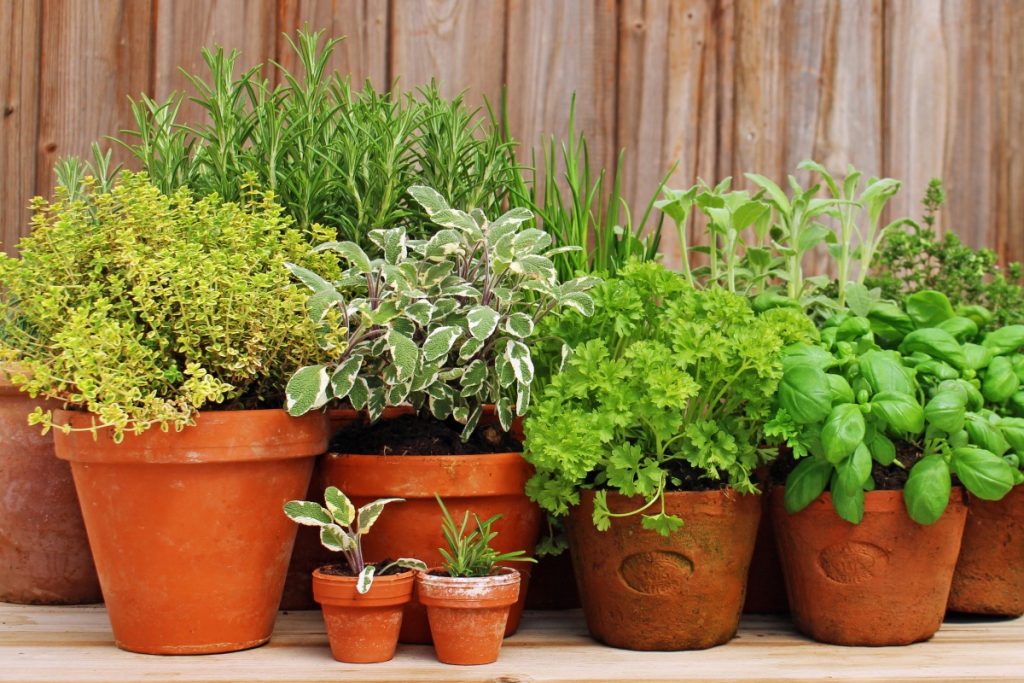
Growing Aromatic Herbs in Pots
Growing aromatic herbs in pots is a great option for beginners or those with limited space. Here are some tips to get you started:
- Select the Right Container: Choose a container that is at least 6-8 inches deep to allow for proper root growth.
- Soil and Fertilizer: Use a well-draining potting mix and fertilize regularly with a balanced fertilizer.
- Lighting: Most aromatic herbs require full sun to partial shade, so choose a location that receives at least 4-6 hours of direct sunlight per day.
- Watering: Water your herbs when the top inch of soil feels dry to the touch, but avoid overwatering.
Growing Aromatic Herbs in the Garden
Growing aromatic herbs in the garden can be just as rewarding as growing them in pots. Here are some tips to get you started:
- Choose a Sunny Location: Most aromatic herbs require full sun to partial shade, so choose a location that receives at least 4-6 hours of direct sunlight per day.
- Prepare the Soil: Aromatic herbs prefer well-draining soil with a pH between 6.0 and 7.0. Test your soil and amend it if necessary.
- Planting: Plant your herbs in clusters or as individual plants, depending on their growing requirements.
- Watering: Water your herbs when the top inch of soil feels dry to the touch, but avoid overwatering.
Tips for a Successful Harvest
To get the most out of your aromatic herbs, follow these tips:
- Pinch off flower buds to encourage leaf growth and prevent seed production.
- Prune regularly to maintain shape and promote healthy growth.
- Use scissors or pinch off individual leaves to harvest, as this will help prevent damage to the plant.
Common Problems and Solutions
Here are some common problems you may encounter when growing aromatic herbs:
- Pests: Use organic pest control methods such as neem oil or insecticidal soap to control pests like aphids and whiteflies.
- Diseases: Remove infected plants, improve air circulation, and use fungicides if necessary.
Advanced Techniques
For experienced growers, here are some advanced techniques to enhance your aromatic herb garden:
- Companion Planting: Plant herbs with complementary growing requirements or pest-repelling properties together for a more resilient and productive harvest.
- Pruning and Training: Prune herbs regularly to maintain shape and promote healthy growth. Use stakes or trellises to train climbing herbs like mint and lemongrass.
- Mulching and Composting: Mulch around plants to retain moisture, suppress weeds, and regulate soil temperature. Compost kitchen scraps and herb trimmings to create a nutrient-rich fertilizer.
Conclusion
Growing aromatic herbs can be a fun and rewarding experience for anyone. By choosing the right herbs, following proper growing techniques, and overcoming common problems, you’ll enjoy a bountiful harvest of fragrant and delicious fresh flavors, natural remedies, or decorative potpourri. Whether growing in pots or the garden, these tips will guide you on your journey to becoming an aromatic herb expert.


