
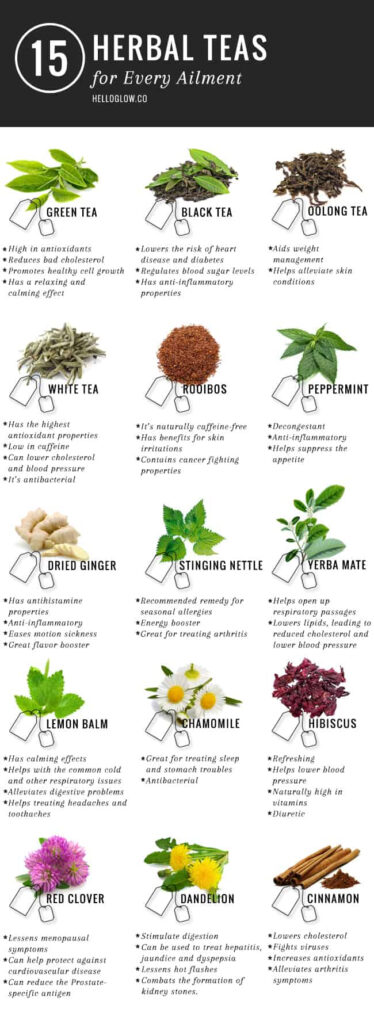
As we navigate the complexities of modern life, many of us seek out natural remedies to alleviate stress, improve our well-being, and promote overall health. One such remedy is tea made from herbs, which has been used for centuries to treat a variety of ailments. In this article, we’ll delve into the world of herbal teas, exploring their benefits, preparation methods, and potential applications.
What are Herbal Teas?
Herbal teas, also known as tisanes, are infusions made from dried or fresh herbs, leaves, flowers, roots, and fruits. Unlike traditional tea, which is typically brewed with tea leaves, herbal teas use other plant-based ingredients that provide a range of health benefits.
Benefits of Herbal Teas
Herbal teas offer numerous benefits for our physical and mental well-being. Some of the most popular uses include:
- Relaxation and stress relief: Herbs like chamomile, lavender, and valerian root can help calm the mind and body.
- Digestive health: Herbal teas like peppermint, ginger, and licorice root may aid in digestion and alleviate symptoms of indigestion and bloating.
- Immune system support: Herbs like echinacea, goldenseal, and yarrow have antimicrobial properties that can help boost the immune system.
- Pain relief: Herbal teas like willow bark, meadowsweet, and turmeric contain compounds that may reduce inflammation and alleviate pain.
Popular Herbal Teas
Here are some popular herbal teas and their potential benefits:
| Tea | Benefits |
|---|---|
| Olmo Rosso (Red Oak Leaf) | Soothes sore throats and alleviates coughs. |
| Ibis Flowers (Hibiscus) | Lowers blood pressure and cholesterol levels. |
| Valeriana (Valerian Root) | Promotes relaxation, reduces stress and anxiety. |
| Aghnocasto (Wild Cherry Bark) | Relieves menstrual cramps and PMS symptoms. |
| Curcuma (Turmeric) | Reduces inflammation and alleviates arthritis symptoms. |
| Zenzero (Ginger) | Eases nausea and vomiting, aids in digestion. |
Preparing Herbal Teas
To get the most out of herbal teas, it’s essential to prepare them correctly:
- Decoction: Boil water, add herbs, and simmer for 5-10 minutes.
- Infusion: Steep herbs in hot water for 3-5 minutes.
- Maceration: Mix herbs with water and let it sit at room temperature for several hours or overnight.
Tips and Precautions
Before brewing herbal teas, keep the following tips in mind:
- Consult a healthcare professional before using herbal teas as a treatment for any medical condition.
- Use high-quality herbs, sourced from reputable suppliers.
- Follow recommended dosages to avoid adverse effects.
By embracing the world of herbal teas, we can tap into nature’s remedies and promote our overall well-being. Whether you’re seeking relaxation, digestive relief, or immune system support, there’s an herbal tea out there for you. Experiment with different herbs and preparation methods to find your perfect cup.
Frequently Asked Questions
- What is the difference between an infusion, decoction, and maceration?
- An infusion is a short-term steeping process, typically lasting 3-5 minutes.
- A decoction involves boiling water and simmering herbs for 5-10 minutes.
- Maceration involves mixing herbs with water and letting it sit at room temperature for several hours or overnight.
- Can I use herbal teas as a substitute for traditional medications?
- No, herbal teas should not be used as a replacement for medical treatment without consulting a healthcare professional first.
- How do I choose the right herb for my specific needs?
- Research different herbs and their potential benefits to find the best match for your health concerns.
Safety Considerations
When brewing herbal teas, consider the following safety guidelines:
- Allergic reactions: If you experience any adverse reactions, such as itching, redness, or swelling, discontinue use.
- Interactions with medications: Some herbs may interact with prescription medications, so consult your healthcare professional before using them.
Traditional Uses of Herbal Teas
Herbal teas have been used for centuries in traditional medicine. Here are some examples:
- African herbalism: In Africa, herbal teas like ginger and peppermint are commonly used to treat digestive issues.
- Asian herbalism: In Asia, herbal teas like echinacea and ginseng are often used to boost the immune system.
- Ayurvedic medicine: In Ayurvedic medicine, herbal teas like tulsi and turmeric are used to promote relaxation and reduce inflammation.
Modern Applications of Herbal Teas
While traditional uses have been well-documented, modern research has also explored the potential benefits of herbal teas:
- Antimicrobial properties: Some herbs, such as goldenseal and yarrow, have antimicrobial properties that can help combat infections.
- Inflammation reduction: Herbs like willow bark and turmeric contain compounds that may reduce inflammation and alleviate pain.
Conclusion
Herbal teas offer a natural and effective way to promote our overall health and well-being. By understanding the benefits, preparation methods, and potential applications of herbal teas, we can unlock nature’s remedies and cultivate a healthier lifestyle. Whether you’re seeking relaxation, digestive relief, or immune system support, there’s an herbal tea out there for you.
Getting Started
If you’re new to herbal teas, here are some tips to get started:
- Start with a single herb: Begin with one herb and experiment with different preparation methods.
- Consult a healthcare professional: Before using any herbal tea, consult your healthcare professional to ensure it’s safe for your specific needs.
- Experiment with different herbs: Don’t be afraid to try new herbs and explore their potential benefits.
By embracing the world of herbal teas, we can tap into nature’s remedies and promote our overall well-being. Whether you’re seeking relaxation, digestive relief, or immune system support, there’s an herbal tea out there for you.


