
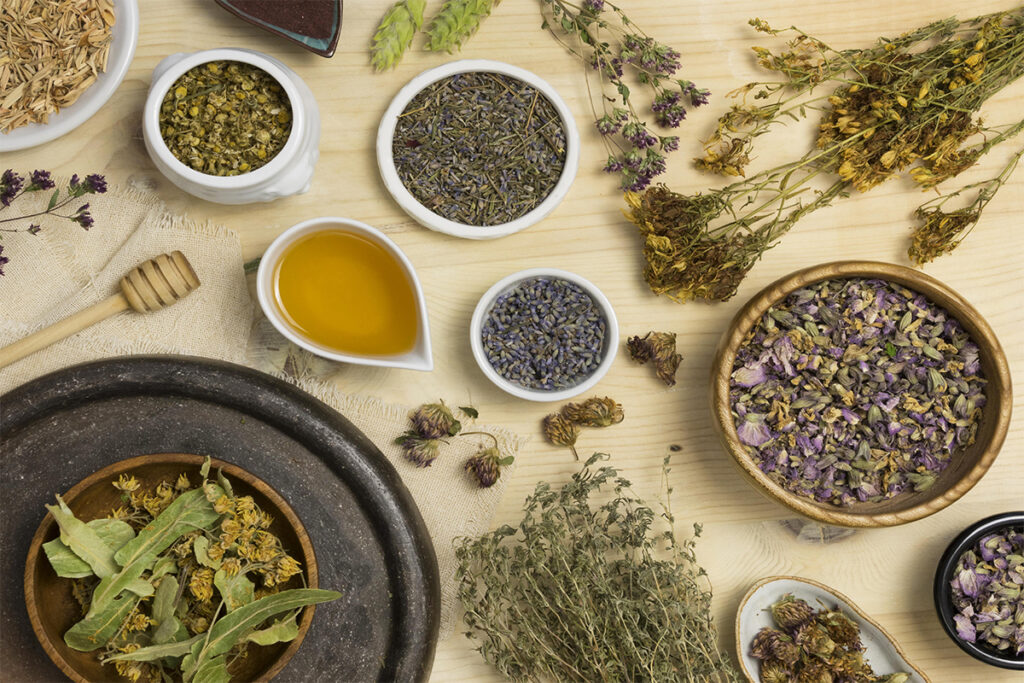
What is Fever?
Fever is a common symptom, especially during the cold season, but it can also be a sign of another underlying illness. It’s always best to consult with your doctor if you’re experiencing persistent or severe fever.
In this article, we’ll explore natural remedies for fever, including herbal teas that have been used for centuries to help alleviate symptoms and reduce body temperature. We’ll dive into the benefits of each herb and provide you with simple recipes to try at home.
Herbs Against Fever
When it comes to treating fever, herbs can be a great alternative to over-the-counter medications. Here are some of the most effective herbal remedies for reducing fever:
- Sambuco (Sambucus nigra)
- Olmaria (Spirea ulmaria)
- Genziana (Gentiana lutea)
- Echinacea
Benefits of Sambuco
The flowers of the sambuco plant have a diuretic and emollient effect on the respiratory system, making them particularly useful for treating fever with a sore throat. To make a soothing tea, steep 1 tablespoon of dried flowers in boiling water for 5-10 minutes.
Sambuco has also been used to treat digestive issues such as bloating, gas, and indigestion. The herb is rich in antioxidants and anti-inflammatory compounds that help to protect the body from damage caused by free radicals.
Benefits of Olmaria
Olmaria is a natural antipyretic and anti-inflammatory herb that helps to reduce body temperature and alleviate headaches. The leaves of the plant can be used to make a tea by infusing them in boiling water for 5-10 minutes.
Olmaria has been used for centuries to treat a variety of ailments, including fever, colds, and sore throats. The herb is rich in vitamins A, C, and E, as well as minerals such as potassium and iron.
Benefits of Genziana
Genziana has been used for centuries as a natural remedy for fever, particularly when it’s accompanied by digestive issues. The root of the plant contains anti-inflammatory compounds that help to stimulate the immune system and reduce inflammation. To make a tea, steep 1 tablespoon of dried root in boiling water for 5-10 minutes.
Genziana has also been used to treat various other health issues, including stress, anxiety, and insomnia. The herb is rich in antioxidants and anti-inflammatory compounds that help to protect the body from damage caused by free radicals.
Benefits of Echinacea
Echinacea is known for its ability to boost the immune system and fight off infections. The root of the plant contains anti-inflammatory compounds that help to reduce body temperature and alleviate symptoms associated with fever. To make a tea, steep 1 tablespoon of dried root in boiling water for 10 minutes.
Echinacea has been used for centuries to treat various health issues, including colds, flu, and other respiratory problems. The herb is rich in antioxidants and anti-inflammatory compounds that help to protect the body from damage caused by free radicals.
How to Use Herbal Teas
To get the most out of your herbal teas, be sure to follow these tips:
- Use high-quality herbs that are free from contaminants
- Steep the herbs in hot water for the recommended amount of time
- Strain the tea before drinking and discard any solids
- Drink 1-2 cups of tea per day, as needed
Precautions
Before using herbal teas to treat fever, be sure to consult with your doctor if you have any underlying medical conditions or are taking medications. Some herbs may interact with certain medications or exacerbate underlying conditions.
Additionally, always follow proper preparation and dosage instructions for each herb, and start with a small dose to monitor your body’s response before increasing the amount used.
Conclusion
Fever can be a debilitating condition that disrupts daily life. However, by incorporating herbal teas into your treatment plan, you can find relief from symptoms and support your immune system in a natural and effective way. By understanding the benefits of each herb and following proper preparation and dosage instructions, you can harness the power of nature to treat fever and promote overall health and well-being.
References
- “The Complete Herbal” by Nicholas Culpeper
- “Herbal Medicine: A Guide for Health Professionals” by David Hoffmann
- “Echinacea: The Ultimate Guide to Boosting Your Immune System” by Dr. Paul Judd
By incorporating herbal teas into your treatment plan, you can find relief from symptoms and support your immune system in a natural and effective way. By understanding the benefits of each herb and following proper preparation and dosage instructions, you can harness the power of nature to treat fever and promote overall health and well-being.
FAQs
Here are some frequently asked questions about herbal teas and fever:
Q: Are herbal teas safe to use when I have a fever?
A: Yes, herbal teas can be a great alternative to over-the-counter medications. However, always consult with your doctor before using any new remedy.
Q: How long does it take for the effects of herbal teas to kick in?
A: The effects of herbal teas can vary depending on the specific herb and individual factors. Typically, you may start to feel relief from symptoms within 30 minutes to an hour after drinking the tea.
Q: Can I drink herbal teas with other medications?
A: Always consult with your doctor before combining herbal teas with prescription medications. Some herbs may interact with certain medications or exacerbate underlying conditions.
Q: Are there any side effects associated with using herbal teas for fever?
A: While herbal teas are generally considered safe, some people may experience mild side effects such as stomach upset or allergic reactions. Always start with a small dose and monitor your body’s response before increasing the amount used.
Q: Can I grow my own herbs at home to make herbal teas?
A: Yes, many herbs can be grown indoors or outdoors in a garden. Be sure to research specific growing conditions and care requirements for each herb you’re interested in cultivating.
Q: How long do herbs take to mature and become ready for use?
A: The time it takes for herbs to mature varies depending on the specific plant and growing conditions. Some herbs may be ready to harvest within weeks, while others may take months or even years to reach full maturity.


