
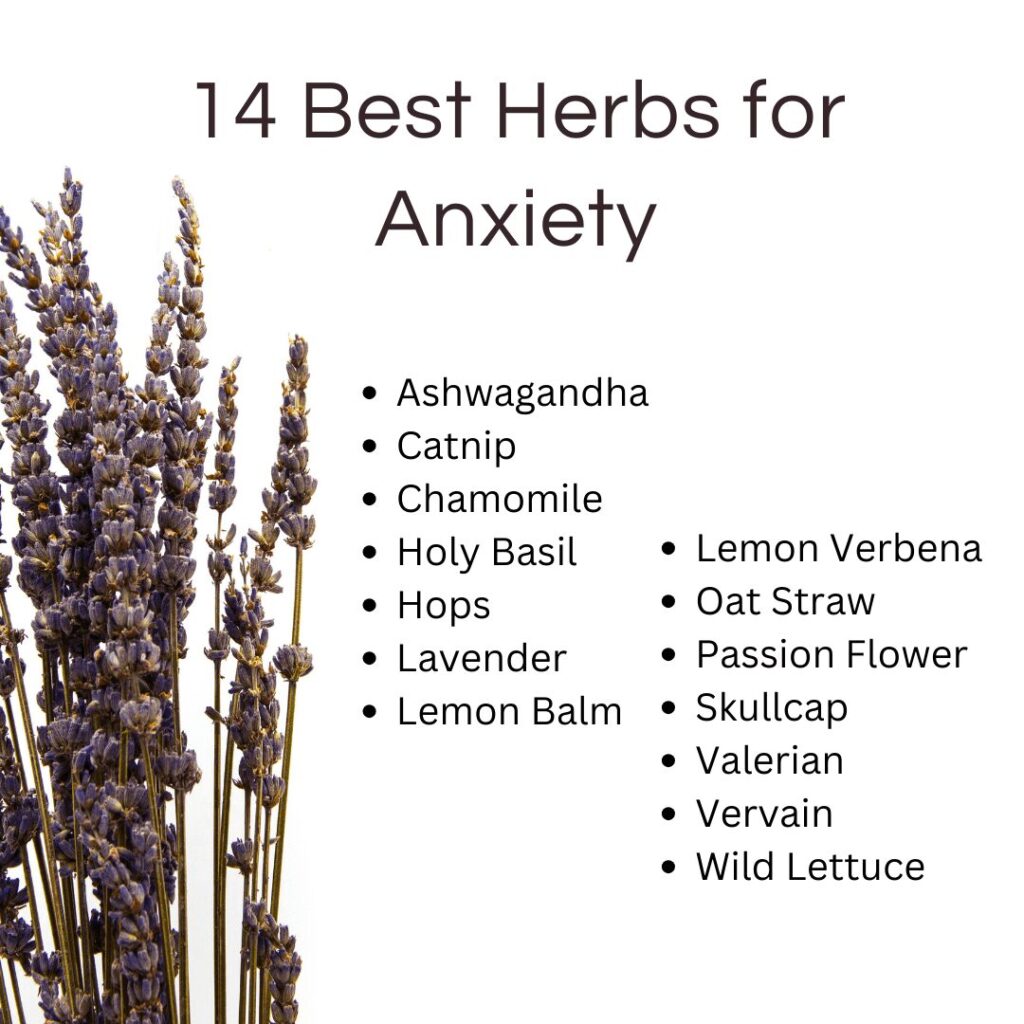
As we navigate the complexities of modern life, it’s common to experience anxiety and depression. However, with the help of natural remedies, you can alleviate symptoms and improve your overall well-being.
In this article, we’ll explore various herbal remedies that have been traditionally used to combat anxiety and depression. We’ll also discuss aromatherapy techniques and other holistic approaches to promote relaxation and balance.
Understanding Anxiety and Depression
Before we dive into the remedies, it’s essential to understand the causes of anxiety and depression. These mental health conditions can be triggered by a combination of genetic, environmental, and lifestyle factors.
Anxiety is often characterized by feelings of worry, nervousness, and fear that are persistent and overwhelming. It can manifest in physical symptoms such as rapid heartbeat, sweating, and trembling, as well as emotional symptoms like irritability and mood swings.
Depression, on the other hand, is a complex condition that involves a range of emotional, cognitive, and behavioral changes. Symptoms may include feelings of sadness, hopelessness, loss of interest in activities, changes in appetite or sleep patterns, and difficulty concentrating.
While medication and therapy are often effective treatments, many people prefer to explore natural remedies as an adjunct or alternative approach. With the right herbal combinations and techniques, you can alleviate symptoms and improve your mood.
Herbal Remedies for Anxiety
- Passiflora: This plant is commonly used in Italy to calm anxiety, insomnia, and melancholy. Consuming a Passiflora tea before bed can promote relaxation and improve sleep quality.
- Use: Consume 1-2 cups of Passiflora tea per day
- Preparation: Steep 1 teaspoon of dried Passiflora flowers in boiling water for 5-7 minutes
- Benefits: Passiflora has been shown to reduce anxiety and stress, improve sleep quality, and alleviate symptoms of insomnia.
- Camomilla: This herb is known for its calming effects and can help alleviate anxiety, stress, and insomnia.
- Use: Consume 1 cup of Camomilla tea per day
- Preparation: Steep 1 teaspoon of dried Camomilla flowers in boiling water for 5-7 minutes
- Benefits: Camomilla has been shown to reduce anxiety and stress, improve sleep quality, and alleviate symptoms of insomnia.
- Melissa: This herb has a soothing effect on the nervous system, helping to alleviate anxiety and stress.
- Use: Consume 1 cup of Melissa tea per day
- Preparation: Steep 1 teaspoon of dried Melissa flowers in boiling water for 5-7 minutes
- Benefits: Melissa has been shown to reduce anxiety and stress, improve mood, and promote relaxation.
Aromatherapy Techniques for Anxiety
- Petitgrain: This essential oil is commonly used in aromatherapy to calm anxiety, stress, and insomnia.
- Use: Diffuse Petitgrain essential oil in a room or add a few drops to your pillow
- Benefits: Petitgrain has been shown to reduce anxiety and stress, improve sleep quality, and alleviate symptoms of insomnia.
- Cananga odorata (Ylang-Ylang): This essential oil has a calming effect on the nervous system, helping to alleviate anxiety and stress.
- Use: Diffuse Ylang-Ylang essential oil in a room or add a few drops to your pillow
- Benefits: Ylang-Ylang has been shown to reduce anxiety and stress, improve mood, and promote relaxation.
Other Natural Remedies for Anxiety
- GABA supplements: GABA (Gamma-Aminobutyric Acid) is a neurotransmitter that helps regulate anxiety and relaxation.
- Use: Take 500-1000 mg of GABA supplement per day
- Benefits: GABA has been shown to reduce anxiety, improve sleep quality, and alleviate symptoms of insomnia.
- Bach Rescue Remedy: This flower essence can help alleviate anxiety, stress, and emotional turmoil.
- Use: Take 3 drops of Bach Rescue Remedy tincture per day
- Benefits: Bach Rescue Remedy has been shown to reduce anxiety, improve mood, and promote relaxation.
Herbal Remedies for Depression
- Hypericum: This herb is traditionally used to treat depression, anxiety, and melancholy.
- Use: Consume 2-3 cups of Hypericum tea per day
- Preparation: Steep 2 teaspoons of dried Hypericum flowers in boiling water for 5-7 minutes
- Benefits: Hypericum has been shown to reduce symptoms of depression, improve mood, and promote relaxation.
Herbal Remedies for Insomnia
- Valerian root: This herb is commonly used to treat insomnia and restlessness.
- Use: Consume 1-2 cups of Valerian root tea per day
- Preparation: Steep 1 teaspoon of dried Valerian root in boiling water for 5-7 minutes
- Benefits: Valerian root has been shown to improve sleep quality, reduce symptoms of insomnia, and promote relaxation.
- Lavender: This herb is known for its calming effects and can help alleviate anxiety and stress.
- Use: Consume 1 cup of Lavender tea per day
- Preparation: Steep 1 teaspoon of dried Lavender flowers in boiling water for 5-7 minutes
- Benefits: Lavender has been shown to reduce anxiety, improve mood, and promote relaxation.
Herbal Remedies for Stress
- Ashwagandha: This herb is commonly used to treat stress, anxiety, and fatigue.
- Use: Consume 2-3 cups of Ashwagandha tea per day
- Preparation: Steep 2 teaspoons of dried Ashwagandha root in boiling water for 5-7 minutes
- Benefits: Ashwagandha has been shown to reduce stress, improve mood, and promote relaxation.
- Ginkgo biloba: This herb is commonly used to treat stress, anxiety, and memory loss.
- Use: Consume 1-2 cups of Ginkgo biloba tea per day
- Preparation: Steep 1 teaspoon of dried Ginkgo biloba leaves in boiling water for 5-7 minutes
- Benefits: Ginkgo biloba has been shown to reduce stress, improve mood, and promote relaxation.
Conclusion
While herbal remedies can be a powerful tool in managing anxiety and depression, it’s essential to consult with a healthcare professional before starting any new treatment. By combining these natural remedies with other holistic approaches, you can promote relaxation, balance, and overall well-being.
Remember, natural remedies are not a replacement for medical care, but rather a complementary approach to managing your mental health. With the right herbal combinations and techniques, you can alleviate symptoms and improve your mood.
Frequently Asked Questions (FAQs)
- Q: What are the best herbal remedies for anxiety?
A: Passiflora, Camomilla, Melissa, Petitgrain, and Cananga odorata (Ylang-Ylang) are some of the most effective herbal remedies for anxiety. - Q: How do I use aromatherapy to alleviate anxiety?
A: Diffuse essential oils in a room or add a few drops to your pillow to promote relaxation and calmness. - Q: What is GABA, and how does it help with anxiety?
A: GABA (Gamma-Aminobutyric Acid) is a neurotransmitter that helps regulate anxiety and relaxation. - Q: Can herbal remedies cure depression?
A: Herbal remedies can be a powerful tool in managing depression, but they should not be used as a replacement for medical treatment without consulting a healthcare professional. - Q: How long does it take to see results from using herbal remedies for anxiety and depression?
A: Results may vary depending on individual circumstances, but most people start to notice improvements within 2-4 weeks of consistent use.
By exploring these natural remedies and incorporating them into your self-care routine, you can promote relaxation, balance, and overall well-being. Remember to always consult with a healthcare professional before starting any new treatment, and always follow the recommended dosages and preparations for each herbal remedy.


