
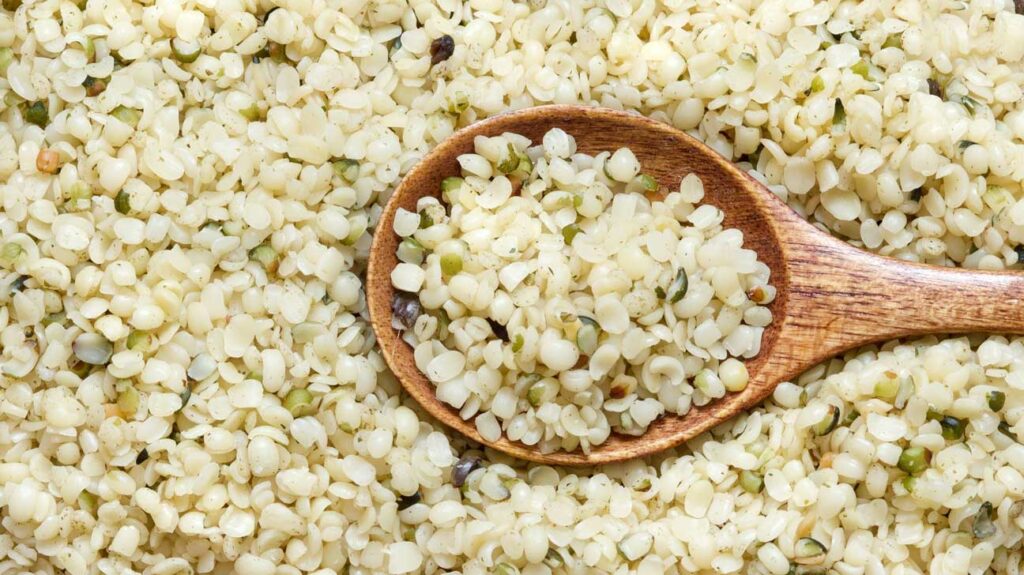
Hemp seeds have gained popularity in recent years due to their impressive nutritional profile and versatility in cooking. But what makes them so special? Let’s dive into the world of hemp seeds and explore their benefits, uses, and potential drawbacks.
What are Hemp Seeds?
Hemp seeds are a complete protein source containing all eight essential amino acids necessary for human nutrition. They are also rich in healthy fats, fiber, and various vitamins and minerals. In this article, we will delve into the nutritional profile of hemp seeds, their benefits, uses, and potential drawbacks.
Nutritional Profile of Hemp Seeds
Before we dive into the benefits, let’s take a look at the nutritional profile of hemp seeds. One hundred grams of hemp seeds contain:
- Calories: 586 kcal
- Carbohydrates: 4.67g
- Fat: 48.75g (mainly polyunsaturated)
- Protein: 31.56g
- Vitamins:
- Vitamin A equiv.: 1 μg
- Beta carotene: 7 μg
- Vitamin A: 11 IU
- Vitamin B1: 1.275mg
- Vitamin B2: 0.285mg
- Vitamin B3: 9.2mg
- Vitamin B6: 110 μg
- Vitamin C: 0.5mg
- Vitamin E: 0.8mg
- Minerals:
- Calcium: 70mg
- Iron: 7.95mg
- Magnesium: 700mg
- Manganese: 7.6mg
- Phosphorus: 1650mg
- Potassium: 1200mg
- Sodium: 5mg
- Zinc: 9.9mg
Benefits of Hemp Seeds
Hemp seeds are a nutritious food that offers numerous health benefits when consumed as part of a balanced diet. Some of the key benefits include:
- High protein content: Hemp seeds are an excellent source of plant-based protein, making them a great option for vegetarians and vegans.
- Rich in healthy fats: The high fat content of hemp seeds is primarily composed of omega-3 and omega-6 fatty acids, which support heart health and inflammation reduction.
- Good source of fiber: Hemp seeds are rich in dietary fiber, which can help lower cholesterol levels and promote digestive health.
- Antioxidant properties: Hemp seeds contain a variety of antioxidants, including vitamin E and beta carotene, which can help protect against oxidative stress and cell damage.
Using Hemp Seeds in Cooking
Hemp seeds are versatile and can be used in a variety of dishes. Here are some ideas for using hemp seeds:
- Add them to salads: Sprinkle hemp seeds on top of your favorite salad for a nutritious and crunchy topping.
- Use them as a substitute for nuts or seeds: Hemp seeds can be used as a replacement for nuts or seeds in recipes, providing a similar texture and nutritional profile.
- Make hemp seed milk: Soak hemp seeds in water and blend with other ingredients to create a dairy-free milk alternative.
- Prepare hemp seed butter: Blend hemp seeds into a creamy butter that can be used as a spread or in baking.
Making Hemp Seed Cheese (Hemp-Fu)
One of the most exciting uses for hemp seeds is making hemp seed cheese, also known as Hemp-Fu. This vegan cheese alternative is made by soaking hemp seeds in water and blending them with a small amount of magnesium chloride to create a curd that can be molded into various shapes.
Where to Buy Hemp Seeds
Hemp seeds are widely available in health food stores and online retailers. You can find them in both whole and decorticated forms, although the latter is recommended for toasting and making hemp seed milk.
Conserving Hemp Seeds and Oil
To preserve the nutritional properties of hemp seeds and oil, it’s essential to store them properly. Keep them in a cool, dry place or refrigerate them to prevent spoilage.
In conclusion, hemp seeds are an excellent addition to any diet due to their impressive nutritional profile and versatility in cooking. By incorporating hemp seeds into your meals and using them as a substitute for other ingredients, you can reap the benefits of this nutritious food. Whether you’re looking to boost your protein intake or simply want to try something new, hemp seeds are definitely worth exploring.
Frequently Asked Questions (FAQs)
- Are hemp seeds healthy?
Yes, hemp seeds are a nutrient-rich food that provides a range of health benefits when consumed as part of a balanced diet.
2. Can I use hemp seeds for weight loss?
Hemp seeds can be a helpful addition to a weight loss diet due to their high protein content and low calorie density. However, overconsumption may lead to weight gain if not balanced with other nutrient-dense foods.
3. Are hemp seeds suitable for everyone?
Hemp seeds are generally considered safe for most people. However, individuals with allergies or sensitivities to hemp should consult with a healthcare professional before consuming them.
4. How do I store hemp seeds and oil?
Store hemp seeds in a cool, dry place or refrigerate them to prevent spoilage. Hemp oil can be stored in the fridge or freezer to prolong its shelf life.
5. Can I use hemp seeds as a substitute for protein powder?
While hemp seeds are high in protein, they may not provide the same level of bioavailability as other protein powders. However, incorporating them into your diet can still contribute to overall protein intake and support muscle growth and repair.
Potential Drawbacks of Hemp Seeds
While hemp seeds offer numerous health benefits, there are some potential drawbacks to consider:
- Allergies: Some people may be allergic to hemp, which can cause symptoms such as hives, itching, and swelling.
- Digestive issues: Hemp seeds contain phytic acid, a compound that can inhibit the absorption of minerals. This may lead to digestive issues in some individuals.
- Interaction with medications: Hemp seeds may interact with certain medications, such as blood thinners and diabetes medications.
Incorporating Hemp Seeds into Your Diet
To reap the benefits of hemp seeds, incorporate them into your diet in a variety of ways:
- Start by adding hemp seeds to your breakfast cereal or oatmeal.
- Use hemp seeds as a topping for salads or smoothie bowls.
- Blend hemp seeds with water or milk to create a creamy and nutritious beverage.
- Try making hemp seed cheese (Hemp-Fu) for a unique and delicious snack.
Conclusion
In conclusion, hemp seeds are an excellent addition to any diet due to their impressive nutritional profile and versatility in cooking. By incorporating hemp seeds into your meals and using them as a substitute for other ingredients, you can reap the benefits of this nutritious food. Whether you’re looking to boost your protein intake or simply want to try something new, hemp seeds are definitely worth exploring.
References
- “Hemp Seed Nutrition Facts” by Hemp Seeds International
- “The Benefits of Hemp Seeds” by Healthline
- “Hemp Seed Cheese (Hemp-Fu)” by Vegan Buzz
- “Storing Hemp Seeds and Oil” by The Plant-Based Diet
Final Thoughts
In conclusion, hemp seeds are a nutritious food that offers numerous health benefits when consumed as part of a balanced diet. By incorporating them into your meals and using them as a substitute for other ingredients, you can reap the benefits of this nutritious food. Whether you’re looking to boost your protein intake or simply want to try something new, hemp seeds are definitely worth exploring.


