
Hemorrhoids are swollen veins in the rectum or anus that can cause pain, itching, and bleeding. They are a common problem that affects around 10% of the population, with the risk increasing after the age of 50.
Understanding Hemorrhoids
Hemorrhoids occur when the veins in the rectal area become inflamed and swollen due to increased pressure or strain on them. This can be caused by a variety of factors such as constipation, poor diet, lack of exercise, and prolonged sitting or standing. Internal hemorrhoids are located inside the rectum while external hemorrhoids are located under the skin around the anus.
Causes and Symptoms of Hemorrhoids
The causes of hemorrhoids are multifactorial, including environmental factors and genetic predisposition. Sitting for long periods, constipation, poor diet, and prolonged standing can all contribute to the development of hemorrhoids. Symptoms include itching, pain, and bleeding, with internal hemorrhoids often being invisible.
Symptom Types
There are two main types of hemorrhoid symptoms:
- External Hemorrhoids: These occur outside the anus, under the skin around it.
- Internal Hemorrhoids: These occur inside the rectum, out of sight and feel. They may be painful or bleeding but often not.
Symptom Classification
The following are common symptoms associated with hemorrhoids:
- Painful sensation when passing stool
- Feeling of fullness or discomfort in the anal area
- Itching around the anus
- Discharge from the anus
Risk Factors for Hemorrhoid Development
Several factors can increase your risk of developing hemorrhoids, including:
- Age: Over 50 years old
- Obesity: Excess weight puts pressure on veins in the rectal area
- Constipation: Straining during bowel movements can cause inflammation and swelling of veins
- Prolonged sitting or standing: Sitting or standing for extended periods can increase pressure on veins in the rectal area
- Lack of physical activity: Sedentary lifestyle can contribute to the development of hemorrhoids
- Poor diet: Consuming high-fat, low-fiber foods can exacerbate symptoms
The Relationship Between Diet and Hemorrhoids
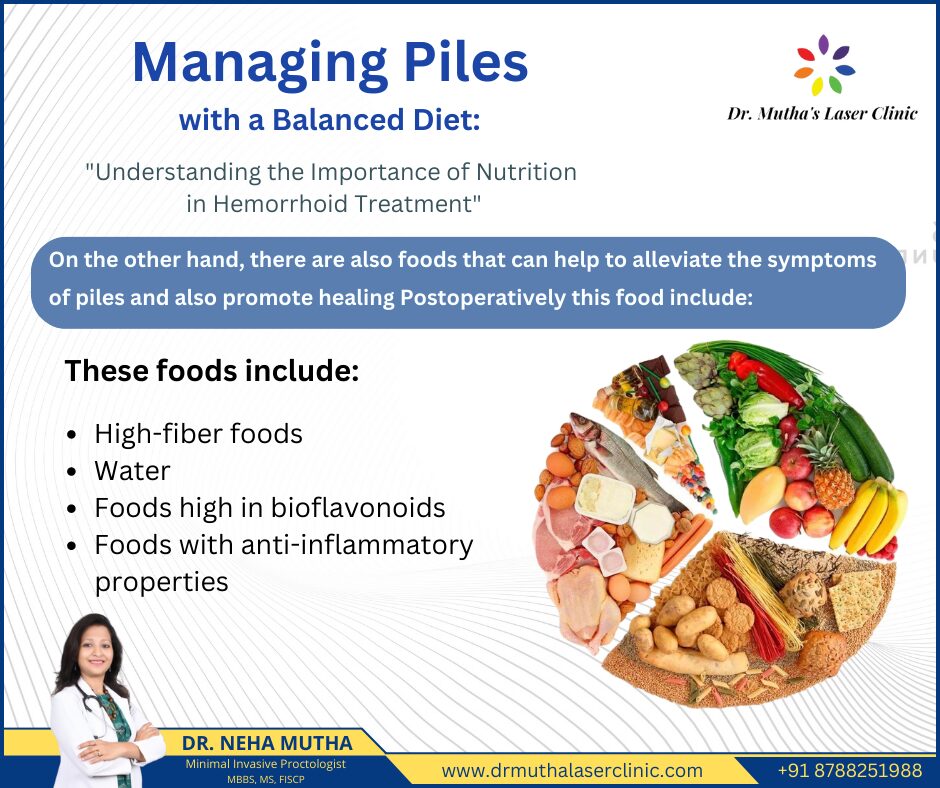
A healthy diet plays a crucial role in preventing and treating hemorrhoids. Eating foods that are high in fiber and low in irritants can help reduce symptoms and prevent the development of hemorrhoids. Certain foods, such as fruits and vegetables, can also help alleviate discomfort.
Foods to Include in Your Diet
- Fresh fruit: bananas (when ripe), mirtilli, ribes, frutti di bosco, fichi, kiwi
- Leafy greens: spinach, zucchini, broccoli, carrots, kale
- Nuts and seeds: almonds, walnuts, pumpkin seeds, sunflower seeds
- Whole grains: brown rice, quinoa, whole wheat bread, whole grain pasta
Foods to Avoid
- Processed meats: hot dogs, sausages, bacon
- Fried foods: french fries, fried chicken, doughnuts
- High-sugar foods: cookies, cakes, pastries
- Spicy foods: hot peppers, wasabi, horseradish
Other Lifestyle Changes to Consider
In addition to dietary changes, there are several other lifestyle modifications that can help alleviate symptoms of hemorrhoids and reduce the risk of developing this condition. These include:
- Staying hydrated by drinking plenty of water
- Limiting your intake of caffeine and alcohol
- Avoiding straining during bowel movements
- Exercise regularly to improve circulation and reduce pressure on the veins in your rectum and anus
Nutritional Recommendations for Hemorrhoids
Incorporating certain nutrients into your diet can help alleviate symptoms of hemorrhoids. These include:
- Fiber: A high-fiber diet can help regulate bowel movements and prevent constipation.
- Omega-3 fatty acids: Found in fatty fish, these anti-inflammatory compounds can reduce inflammation and swelling of veins.
- Vitamin C: This antioxidant helps protect against damage caused by free radicals and can alleviate symptoms of hemorrhoids.
- Probiotics: Beneficial bacteria that help maintain a healthy gut microbiome.
Food and Drink Recommendations for Hemorrhoids
Incorporating certain foods and drinks into your diet can help alleviate symptoms of hemorrhoids. These include:
- Prune juice: A natural laxative, prune juice can help regulate bowel movements.
- Flaxseed: Rich in fiber, flaxseed can help reduce inflammation and swelling of veins.
- Green tea: Antioxidant-rich green tea can help protect against damage caused by free radicals.
Natural Remedies for Hemorrhoids
In addition to dietary changes, there are several natural remedies that can help alleviate symptoms of hemorrhoids. These include:
- Witch hazel: A natural astringent, witch hazel can help reduce inflammation and swelling of veins.
- Apple cider vinegar: This natural laxative can help regulate bowel movements and reduce symptoms of constipation.
- Castor oil: A natural anti-inflammatory, castor oil can help alleviate discomfort and itching.
By making these dietary changes and adopting a healthy lifestyle, you can help alleviate symptoms of hemorrhoids and reduce the risk of developing this condition.


