
As a common name, Helicobacter pylori can be difficult to pronounce and write, but it’s a term that many people are familiar with due to its association with an infection that affects millions of people worldwide. In fact, nearly half of the global population has been infected or is currently infected with this bacterium, which primarily affects adults but also affects 5-15% of children.
What is Helicobacter Pylori?
The name “Helicobacter pylori” may evoke the idea of a spiral-shaped helix, and that’s not far from the truth. This bacterium has a unique shape that allows it to thrive in low-oxygen environments and move through the stomach lining using its flagella-like structures. The second part of the name, “pylori,” refers to the area of the stomach where this infection typically occurs, which is the pyloric region that connects the stomach to the small intestine.
The Characteristics of Helicobacter Pylori
Helicobacter pylori has some remarkable features that make it a super-efficient bacterium. Its ability to adhere to the stomach lining using adhesins and glycolipids allows it to evade the acidic environment of the stomach, where other bacteria would be destroyed. This bacterium can also produce urease, an enzyme that breaks down urea into ammonia and carbon dioxide, creating a protective barrier around itself.
Symptoms of Helicobacter Pylori Infection
When Helicobacter pylori infects the stomach lining, it can cause inflammation and lead to various symptoms. While some people may not experience any noticeable symptoms, many others may develop chronic gastritis, non-ulcerative dyspepsia, or even peptic ulcers and stomach cancer.
The severity of the infection can vary depending on the individual, but common symptoms include abdominal pain, nausea, vomiting, heartburn, and difficulty swallowing. In some cases, the infection can also lead to weight loss, diarrhea, and blood in the stool or vomit.
Testing for Helicobacter Pylori
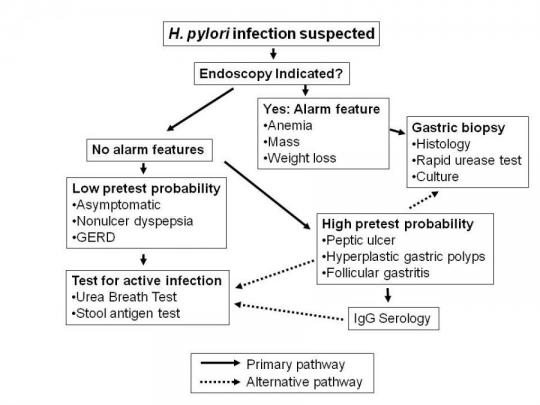
There are several tests available to diagnose Helicobacter pylori infection, including non-invasive ones such as blood tests and fecal antigen testing. The breath test is another type of non-invasive test that detects the presence of urease produced by the bacterium.
In invasive tests, a gastroscopy procedure involves inserting a flexible tube with a camera and light on the end into the stomach to collect tissue samples for analysis under a microscope. Another test is the urea breath test, which can sometimes produce false negative results.
Transmission and Prevention
Helicobacter pylori can be transmitted through oral-oral contact or via fecal-oral routes, such as contaminated water, food, or utensils. To prevent infection, it’s essential to avoid close contact with infected individuals, practice good hygiene, and avoid sharing food or drinks.
Risk Factors for Helicobacter Pylori Infection
Certain factors increase the risk of developing Helicobacter pylori infection, including:
- Age: Adults over 40 are more likely to be infected
- Smoking: Smoking is associated with an increased risk of developing Helicobacter pylori infection
- Family history: Individuals with a family history of H. pylori infection are more likely to develop the infection themselves
- Low socioeconomic status: People from low-income backgrounds are more likely to be exposed to contaminated water and food sources
Treatment of Helicobacter Pylori
The treatment for Helicobacter pylori typically involves a combination of antibiotics, which can last from 7-10 days. After treatment, new diagnostic tests are performed to ensure that the infection has been eliminated.
To prevent future infections, it’s crucial to avoid smoking, limit alcohol consumption, and refrain from taking non-steroidal anti-inflammatory drugs (NSAIDs) long-term.
Complications of Helicobacter Pylori Infection
If left untreated, Helicobacter pylori infection can lead to various complications, including:
- Peptic ulcers: Chronic gastritis caused by H. pylori infection can increase the risk of developing peptic ulcers
- Stomach cancer: Long-term infections with H. pylori have been linked to an increased risk of stomach cancer
- Gastric atrophy: The chronic inflammation caused by H. pylori infection can lead to gastric atrophy, a condition where the stomach lining becomes thin and weak
Conclusion
Helicobacter pylori is a common and often asymptomatic infection that can lead to serious health problems if left untreated. Understanding the characteristics, symptoms, testing, transmission, and prevention strategies for this bacterium is essential for early detection and treatment.
Frequently Asked Questions (FAQs)
- Q: What are the symptoms of Helicobacter pylori infection?
A: Symptoms can range from mild to severe and include abdominal pain, nausea, vomiting, heartburn, diarrhea, weight loss, and blood in stool or vomit. - Q: How is Helicobacter pylori diagnosed?
A: Non-invasive tests such as blood tests, fecal antigen testing, and breath testing are commonly used to diagnose Helicobacter pylori infection. - Q: Can Helicobacter pylori be transmitted through food or water?
A: Yes, it can be transmitted through contaminated food or water sources, but this is relatively rare. - Q: Is smoking a risk factor for Helicobacter pylori infection?
A: Yes, smoking is associated with an increased risk of developing Helicobacter pylori infection. - Q: Can Helicobacter pylori be cured?
A: With treatment, Helicobacter pylori can be cured in most cases, but it’s essential to follow up with diagnostic tests to ensure the infection has been eliminated. - Q: How can I prevent Helicobacter pylori infection?
A: To prevent infection, practice good hygiene, avoid close contact with infected individuals, and limit smoking and alcohol consumption. - Q: Can children get Helicobacter pylori infection?
A: Yes, 5-15% of children are affected by this infection. - Q: Is there a connection between Helicobacter pylori infection and other diseases?
A: Yes, research suggests that Helicobacter pylori may be linked to various conditions, including stomach cancer and peptic ulcers.
By understanding the characteristics, symptoms, testing, transmission, and prevention strategies for Helicobacter pylori, individuals can take steps to protect themselves from this common yet potentially serious infection.


