
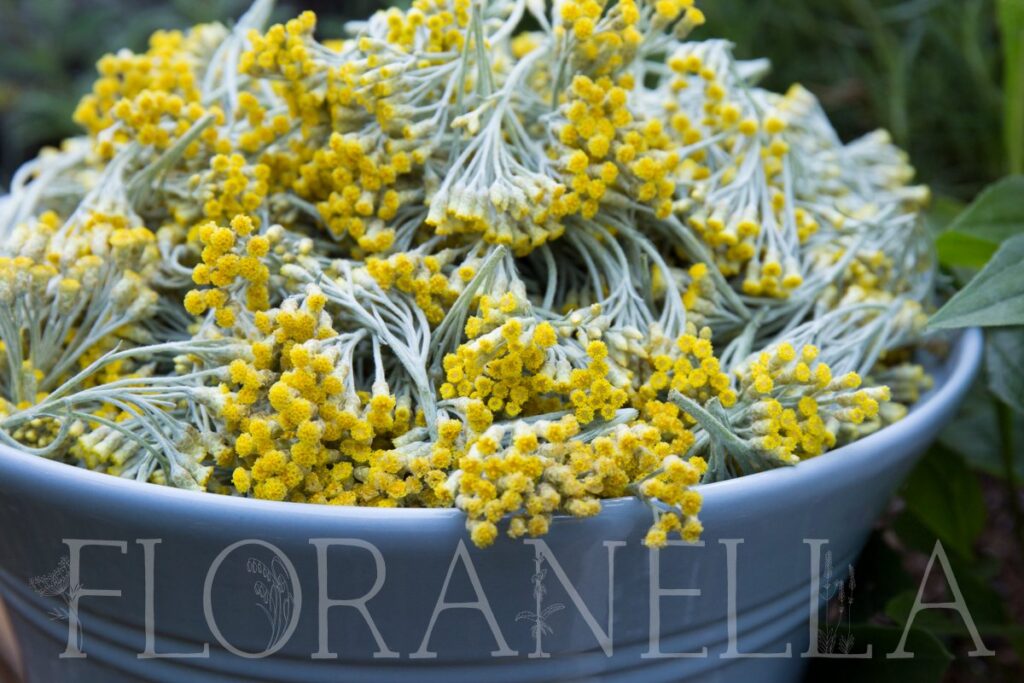
As a natural remedy, Elicriso has been used for centuries to repel mosquitoes and other pests from gardens. But what makes this plant so special? Let’s dive into its fascinating world and explore its cultivation, care, and uses.
What is Elicriso?
Elicriso, also known as Helichrysum italicum, is a perennial herb that belongs to the Asteraceae family. Its unique characteristics set it apart from other plants, making it a popular choice among gardeners and herbalists. With its aromatic leaves and showy yellow flowers, Elicriso is a sight to behold.
A Brief History of Elicriso
Elicriso has been used for centuries in traditional medicine, particularly in the Mediterranean region. Its leaves are rich in volatile compounds that give off a distinct aroma reminiscent of licorice or curry. In ancient Greece and Rome, Elicriso was used to treat various ailments, from skin conditions to digestive issues.
The Science Behind Elicriso’s Medicinal Properties
Elicriso contains a range of bioactive compounds, including sesquiterpenes, diterpenes, and phenolic acids. These compounds are responsible for the plant’s medicinal properties, which include:
- Anti-inflammatory effects
- Antiseptic and antibacterial properties
- Stimulation and revitalization
Cultivating Elicriso: Tips and Tricks
To grow Elicriso successfully, you’ll need to provide it with the right conditions. Here are some tips to get you started:
- Lighting: Elicriso requires full sun to partial shade. If your garden receives direct sunlight for at least 6 hours a day, you’re good to go!
- Soil: This plant prefers well-draining soil with low organic matter content. Avoid using rich, fertile soils that can lead to root rot.
- Watering: Elicriso is drought-tolerant, but it will perform better if watered regularly during hot summer months. Be cautious not to overwater, as this can cause root decay.
Propagation and Multiplication
Elicriso can be propagated using two methods: stem cutting (talea) and division of the plant’s roots.
- Talea: Cut a 6-8 inch stem from the top growth, removing any leaves below the node. Plant the cutting in well-draining soil, keeping it moist until roots develop.
- Division: Divide the plant’s roots during spring or early summer, making sure each section has at least one growing point.
The Power of Elicriso: Oils and Preparations
Elicriso’s oil is renowned for its therapeutic properties, which include:
- Stimulation and revitalization
- Anti-inflammatory effects
- Antiseptic and antibacterial properties
To harness the benefits of Elicriso oil, mix a few drops with a carrier oil (like coconut or olive oil) and apply it topically.
Using Elicriso in Cooking and Herbal Remedies
Elicriso can be used in various ways, including:
- Herbal teas: Steep dried leaves in hot water to create a soothing tea.
- Infused oils: Mix Elicriso oil with carrier oils for topical use or add it to cooking dishes for its unique flavor.
- Culinary uses: Add fresh or dried leaves to salads, soups, or stews for their distinctive aroma.
Frequently Asked Questions
Here are some answers to common questions about Elicriso:
- Q: How often should I water my Elicriso plant?
- A: Water your Elicriso sparingly, as overwatering can lead to root rot.
- Q: Can I grow Elicriso indoors?
- A: Yes, but ensure the plant receives sufficient light and temperatures between 65-75°F (18-24°C).
- Q: How do I propagate Elicriso using stem cutting?
- A: Cut a 6-8 inch stem from the top growth, removing any leaves below the node. Plant the cutting in well-draining soil and keep it moist until roots develop.
- Q: Can I use Elicriso oil on my skin?
- A: Yes, but always dilute the oil with a carrier oil (like coconut or olive oil) before applying it topically.
Additional Tips for Cultivating Elicriso
To ensure healthy growth and optimal yields, consider the following tips:
- Pruning: Regular pruning helps maintain the plant’s shape and promotes new growth.
- Mulching: Mulch around the base of the plant to retain moisture and suppress weeds.
- Pest control: Monitor for pests like aphids, whiteflies, and spider mites.


