
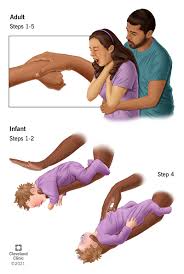
Choking can happen to anyone, anywhere, at any time. When it does, every second counts. The Heimlich maneuver is a simple yet effective technique that can save lives. In this article, we will explore the science behind the Heimlich maneuver and provide guidance on how to perform it safely and effectively.
What is the Heimlich Maneuver?
The Heimlich maneuver is a first aid technique used to dislodge an object from a person’s airway, which can cause choking. Developed by Henry Heimlich in 1974, this technique has been widely adopted as a lifesaving measure in emergency situations.
How Does the Heimlich Maneuver Work?
The Heimlich maneuver works by applying pressure to the diaphragm, which helps to dislodge the object from the airway. The technique involves a series of five abdominal thrusts followed by five chest compressions. This sequence of movements is designed to create a “gag reflex,” which can help to expel the object from the airway.
The Science Behind the Heimlich Maneuver
When an object becomes lodged in a person’s airway, it can cause a blockage that prevents air from reaching the lungs. The Heimlich maneuver works by applying pressure to the diaphragm, which helps to dislodge the object and restore airflow to the lungs.
The technique involves a series of five abdominal thrusts followed by five chest compressions. Each abdominal thrust is designed to apply pressure to the diaphragm, while each chest compression helps to expand the lungs and improve airflow.
Performing the Heimlich Maneuver
To perform the Heimlich maneuver, follow these steps:
- Stand behind the person: Stand behind the person who is choking and wrap your arms around their waist.
- Make abdominal thrusts: Make five quick abdominal thrusts by grasping your fist with one hand and placing it just below the person’s ribcage. Use your other hand to push your fist into the abdomen, applying pressure downward.
- Follow with chest compressions: After each abdominal thrust, give five chest compressions by placing the heel of your hand on the center of the person’s chest and pushing down.
Using the Heimlich Maneuver on Children
When using the Heimlich maneuver on a child, follow these special guidelines:
- Neonates (0-1 month): Do not perform the Heimlich maneuver on neonates. Instead, use the “chin lift” technique by lifting the child’s chin and giving five chest compressions.
- Infants (1-12 months): Use the Heimlich maneuver with modifications:
- Stand behind the infant and wrap your arms around their waist.
- Make five quick abdominal thrusts.
- Follow with five chest compressions.
Using the Heimlich Maneuver on Adults
When using the Heimlich maneuver on an adult, follow these guidelines:
- Stand behind the person: Stand behind the adult and wrap your arms around their waist.
- Make abdominal thrusts: Make five quick abdominal thrusts by grasping your fist with one hand and placing it just below the person’s ribcage. Use your other hand to push your fist into the abdomen, applying pressure downward.
- Follow with chest compressions: After each abdominal thrust, give five chest compressions by placing the heel of your hand on the center of the person’s chest and pushing down.
When to Call for Medical Help
Even if you are able to dislodge the object from the airway using the Heimlich maneuver, it is still important to call for medical help. The person may need further treatment, such as oxygen or hospitalization, to ensure their safety.
Conclusion
The Heimlich maneuver is a simple yet effective technique for choking that can save lives. By following the guidelines outlined in this article, you can learn how to perform the Heimlich maneuver safely and effectively. Remember, every second counts when it comes to choking emergencies – act quickly and call for medical help if necessary.
Frequently Asked Questions
- What is the difference between the Heimlich maneuver and CPR?
The Heimlich maneuver is a technique used to dislodge an object from a person’s airway, while CPR (cardiopulmonary resuscitation) is a broader term that includes both chest compressions and rescue breaths. - Who should not perform the Heimlich maneuver?
Certain individuals, such as those with certain medical conditions or taking certain medications, should not perform the Heimlich maneuver. Always check with a healthcare professional before attempting to perform any first aid technique. - What is the most common object that causes choking?
The most common objects that cause choking are food items, such as peanuts or hot dogs, as well as small toys or other objects that can become lodged in the airway. - How often should I practice the Heimlich maneuver?
It is recommended to practice the Heimlich maneuver at least once a year to ensure you are comfortable and confident with the technique.
Preventing Choking Emergencies
While the Heimlich maneuver can save lives, preventing choking emergencies in the first place is always the best course of action. Here are some tips for reducing your risk of choking:
- Chew slowly and carefully: Take small bites of food and chew thoroughly to reduce the risk of swallowing large pieces.
- Avoid choking hazards: Be aware of potential choking hazards, such as nuts or popcorn kernels, and take steps to avoid them.
- Supervise children: Keep a close eye on young children while they are eating to prevent choking emergencies.
By following these tips and knowing how to perform the Heimlich maneuver, you can reduce your risk of choking emergencies and ensure that anyone who needs help receives it quickly and effectively.


