
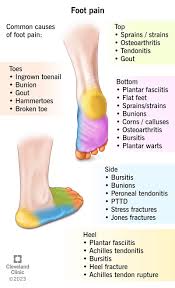
Talonite, also known as heel pain, is a common affliction that affects both men and women. There are numerous underlying causes for this condition, including conditions that affect the actual bone in the heel, contusions or stress fractures, plantar fasciitis, or Achilles tendonitis. The pain can vary from mild to severe, ranging from annoying pulses to debilitating fits.
Understanding the Causes of Talonite
The primary cause of talonite is often one of two conditions:
- Plantar Fasciitis: This refers to the irritation and inflammation of the tissue that forms the arch of the foot, connecting the heel bone to the base of the toes.
- Achilles Tendonitis: This involves the inflammation of the Achilles tendon, a large tendon similar to a cord, which attaches to the back of the heel bone.
Other less common causes of talonite include:
- Tarsal Tunnel Syndrome: A condition that affects the nerves in the foot.
- Stress Fractures: Small cracks in the bone that can cause pain and discomfort.
- Sensitivity to certain foods or nutrients, such as those found in high-fructose corn syrup, citrus fruits, or dairy products.
Identifying the Symptoms of Talonite
If you’re experiencing symptoms of talonite, it’s essential to seek medical attention. A healthcare professional will typically diagnose the condition by reviewing your medical history and conducting a physical examination. In some cases, additional tests such as blood work or imaging studies may be necessary.
To aid in the diagnosis, consider the following questions:
- Where is the pain located?
- When does the pain occur?
- Does the pain worsen with activity or at rest?
- Do you experience any other symptoms, such as fever, numbness, or swelling?
- Have you experienced any recent changes in your daily activities or injuries that may have exacerbated the pain?
Understanding the Treatment Options for Talonite
The treatment options for talonite depend on the underlying cause of the condition. Some common treatments include:
- Rest: Avoiding the activity that triggered the pain is often recommended.
- Ice: Applying an ice pack to the affected area can help reduce inflammation and relieve pain.
- Fascioplasty: Using a bandage or athletic tape to support the foot and alleviate pressure on the heel bone.
- Physical Therapy: Gentle exercises and stretching can help relax the tissues surrounding the heel bone and improve mobility.
- Customized Orthotics: Wearing supportive shoes with proper arch support and cushioning can help redistribute pressure and alleviate pain.
In some cases, medication such as anti-inflammatory non-steroidal drugs (FANS) may be prescribed to manage pain and inflammation.
Preventing Talonite
Preventing talonite is a crucial component of long-term treatment. Some common preventive measures include:
- Gradually Increasing Activity: Avoiding sudden changes in exercise intensity can help prevent injuries.
- Maintaining a Healthy Weight: Excess weight can put additional stress on the lower extremities, including the heel bone.
- Wearing Properly Fitted Shoes: Wearing shoes with adequate support and cushioning can help reduce pressure on the heel bone.
- Monitoring Symptoms: Paying attention to early warning signs of pain or discomfort can help prevent more severe problems from developing.
Alternative Remedies for Talonite
In addition to medical treatments, there are several alternative remedies that may provide relief from talonite:
- Acupuncture: This traditional Chinese medicine technique involves inserting thin needles into specific points on the body to stimulate healing and pain relief.
- Massage Therapy: Massaging the affected area can help relax tense muscles and improve blood flow, reducing pain and inflammation.
- Heat or Cold Therapy: Applying heat or cold packs to the affected area can help reduce pain and inflammation.
Managing Talonite with Lifestyle Changes
In addition to medical treatments and alternative remedies, there are several lifestyle changes that can help manage talonite:
- Strengthening Exercises: Engaging in regular strengthening exercises can help improve muscle function and reduce pain.
- Improving Posture: Maintaining good posture can help reduce pressure on the heel bone and alleviate pain.
- Taking Regular Breaks: Taking regular breaks to rest and stretch can help reduce fatigue and prevent further injury.
By understanding the causes, symptoms, treatment options, preventive measures, alternative remedies, and lifestyle changes for talonite, you can take proactive steps towards managing this common affliction.


