
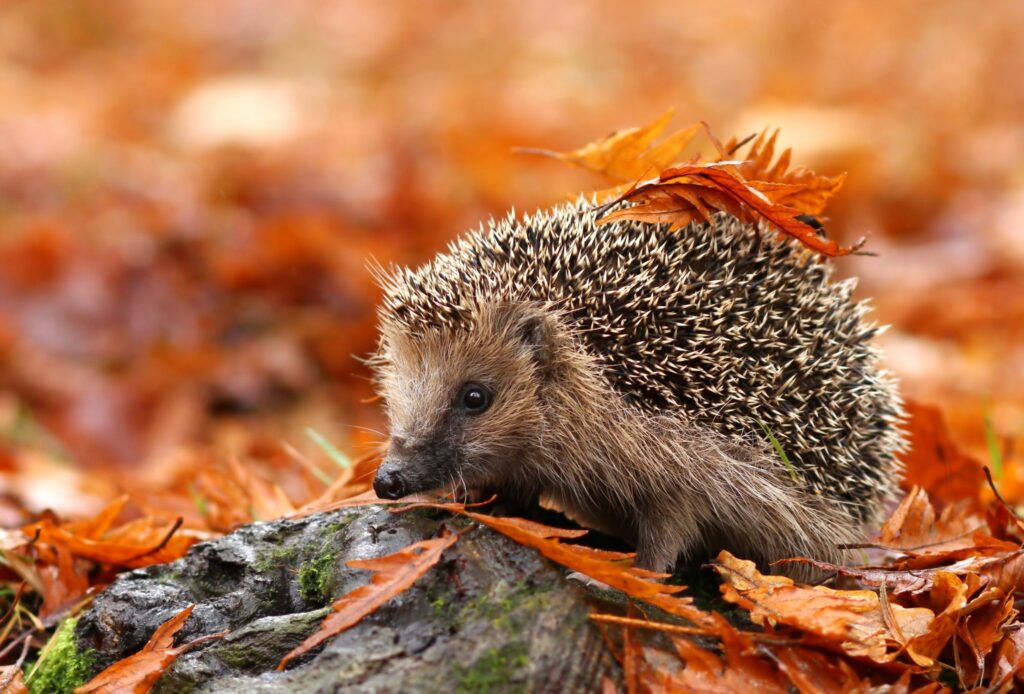
As we go about our daily lives, it’s easy to overlook the tiny creatures that share our world. But today, let’s take a closer look at one of these often-misunderstood animals: the European hedgehog.
While it may be confused with its prickly cousin, the istrice, these two animals belong to different families altogether. The European hedgehog is a mammal belonging to the Erinaceid family and can be found in Europe and Asia.
Characteristics
One of the most distinctive features of the European hedgehog is its plump body covered in sharp quills. These quills are actually modified hairs that can be raised when threatened, making them an effective defense mechanism against predators. The hedgehog’s long snout and small ears add to its unique appearance.
Another key characteristic of the hedgehog is its diet. Unlike the istrice, which feeds on plants and roots, the hedgehog is primarily insectivorous, munching on insects like beetles, ants, and worms.
In addition to their physical characteristics, European hedgehogs also have a unique way of moving around. They are well-known for their ability to curl up into a ball when threatened or scared, exposing their quills to potential predators. This defense mechanism is often referred to as “balling” and is an effective way for the hedgehog to protect itself.
Behavior and Reproduction
Hedgehogs are nocturnal animals that spend most of their time alone in underground burrows or hiding places during the day. As they venture out at night, they use their keen senses to detect predators and find food. In fact, hedgehogs have excellent eyesight and hearing, allowing them to navigate even in complete darkness.
When it comes to reproduction, male hedgehogs will often emit a loud call during mating season (May-July) to attract females. Once paired, the female gives birth to one to seven young after a gestation period of up to seven months. During this time, the mother cares for her babies, providing them with food and protection.
Hedgehog mothers are devoted parents, and they will often carry their young around in their mouths until they are big enough to fend for themselves. This unique behavior is known as “infant transport” and allows the mother hedgehog to protect her young from predators while also ensuring they receive adequate nutrition.
Conservation Status
Despite being an iconic European species, hedgehogs are facing challenges due to habitat loss and pesticide use. In Italy, where I live, the European hedgehog is protected by law, but its population is declining in some areas.
To combat this decline, it’s essential that we raise awareness about the importance of preserving hedgehog habitats and reducing our reliance on pesticides in gardens and urban spaces. By working together to protect these incredible creatures, we can help ensure their survival for generations to come.
Adaptations
Hedgehogs have developed various adaptations to cope with predators. One way they do this is by rolling into a ball, exposing their quills to potential threats. They also use their sharp claws to defend themselves if necessary.
In addition to these physical defenses, hedgehogs rely on their exceptional senses to detect and avoid danger. Their keen eyesight allows them to spot predators from a distance, while their acute hearing enables them to pinpoint sounds in the dark.
Another adaptation that helps hedgehogs survive is their ability to hibernate during periods of food scarcity. By slowing down their metabolism, they can conserve energy and make it through the winter months when food is scarce.
Conservation and Interactions with Humans
As we interact with hedgehogs, it’s crucial that we consider their impact on our environment. As insectivores, they play an essential role in maintaining ecosystem balance by controlling pest populations.
However, human activities can harm hedgehogs through collisions with vehicles or exposure to pesticides used in gardens. To mitigate these risks, we must adopt more sustainable practices and create hedgehog-friendly habitats.
For example, incorporating native plants into our gardens can provide a source of food for hedgehogs, while also attracting other beneficial insects that help pollinate plants. By creating these types of ecosystems, we can support the health and well-being of local wildlife, including the European hedgehog.
FAQs
- What is the difference between a hedgehog and an istrice?
Hedgehogs belong to the Erinaceid family, while istrices are part of the Talpidae family. The most notable difference is the presence of quills on hedgehogs’ bodies. - Are all European hedgehogs the same species?
There are actually four subspecies of European hedgehog, each with distinct characteristics. However, they can interbreed and produce fertile offspring. - Can I keep a hedgehog as a pet?
While some people might find hedgehogs cute and fascinating, it’s generally not recommended to keep them as pets. Hedgehogs require specialized care and can be prone to health issues in captivity. - Why do hedgehogs roll into balls when threatened?
When threatened, hedgehogs curl up into a ball to expose their quills and make themselves appear larger. This defense mechanism also helps protect their vulnerable underside from predators. - Can I feed my garden pests to hedgehogs?
While it’s understandable to want to help hedgehogs by providing them with food, it’s essential to ensure that the insects you offer are safe for them to eat. Some pesticides can be toxic to hedgehogs, so use caution when offering treats. - How do I create a hedgehog-friendly garden?
To create a haven for hedgehogs, provide sheltered spots for burrowing and avoid using pesticides in your garden. Incorporate native plants that attract insects, which will help feed the hedgehogs. - Why are hedgehogs declining in numbers?
Hedgehogs face various threats, including habitat loss, pesticide use, and climate change. By understanding these challenges, we can work together to protect these incredible creatures.
Interesting Facts About Hedgehogs
- Hedgehogs have poor eyesight, but they make up for it with their keen sense of smell.
- European hedgehogs are primarily insectivorous, eating up to 80% insects in a single night.
- Despite their prickly appearance, hedgehogs can be quite affectionate and enjoy interacting with humans.
- Hedgehogs have a unique way of communicating with each other through scent markings.
- In the wild, hedgehogs can live for up to 10 years, which is impressive considering their small size.
Hedgehog Habitat and Ecology
European hedgehogs are found in a variety of habitats, including forests, grasslands, and urban areas. They are adaptable creatures that can thrive in different environments, as long as they have access to food, water, and shelter.
In addition to their physical adaptations, hedgehogs also play an important role in shaping their ecosystems. By controlling pest populations, they help maintain the balance of nature and prevent damage to crops and gardens.
Conclusion
The European hedgehog is a fascinating creature that continues to captivate us with its unique characteristics and adaptations. By learning more about these incredible animals, we can gain a deeper appreciation for the importance of conservation efforts and work together to protect their habitats and ensure their survival.
As we move forward, it’s essential that we prioritize the well-being of all wildlife species, including the European hedgehog. By adopting sustainable practices and creating hedgehog-friendly habitats, we can help mitigate the threats they face and ensure their continued presence in our world for generations to come.


