
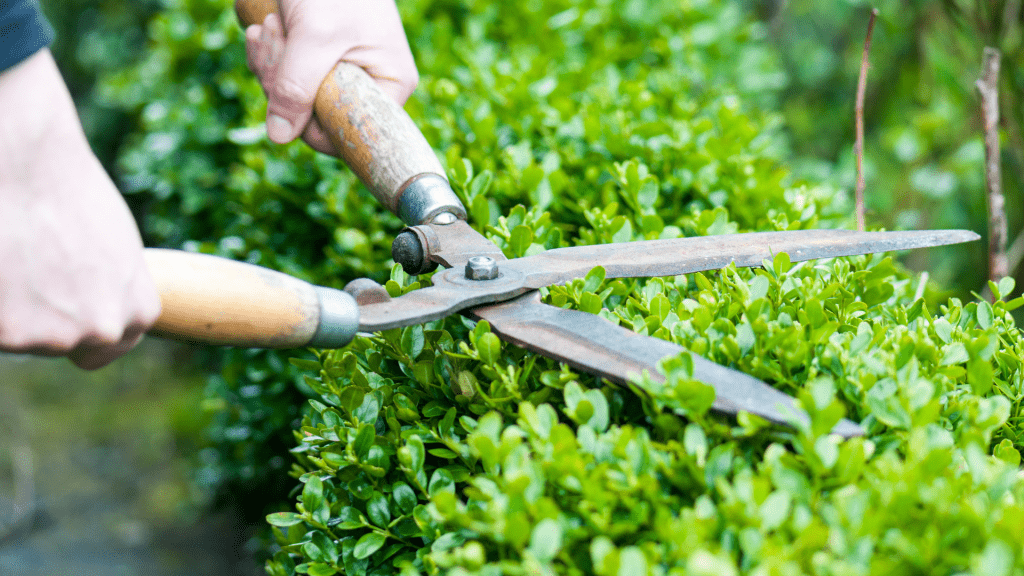
Introduction
Pruning trees is an essential part of maintaining the health and appearance of your tree. When done correctly, pruning can help promote healthy growth, prevent disease and pest infestations, and even increase the value of your property. In this article, we’ll cover everything you need to know about pruning trees, including when to prune, how to prune, and the benefits of regular pruning.
Why Prune Trees?
Pruning trees is a vital part of tree care for several reasons:
- Promotes healthy growth: Pruning helps to remove dead or diseased branches, which can help prevent disease and pest infestations from spreading.
- Improves aesthetics: Pruning can help shape your tree to its natural form, which can improve its appearance and even increase its value.
- Increases safety: By removing dead or damaged branches, pruning can help reduce the risk of accidents caused by falling debris.
When to Prune Trees?
The best time to prune trees depends on the type of tree you have. In general, it’s recommended to prune trees in the following situations:
- Early spring: This is a good time to prune trees that bloom in the early spring, such as cherry or apple trees.
- Late winter: Pruning trees that are dormant can help promote healthy growth and prevent disease.
How to Prune Trees?
Pruning trees requires some knowledge of tree anatomy and pruning techniques. Here are some tips for pruning trees:
- Use the right tools: Use sharp, clean pruning tools to make clean cuts.
- Cut at a 45-degree angle: Cutting at a 45-degree angle helps to prevent water from collecting on the cut surface.
- Remove no more than one-third of the tree: Remove only what is necessary to maintain the health and appearance of your tree.
Types of Pruning
There are several types of pruning, including:
- Thinning pruning: Removes select branches to allow for better air circulation and sunlight penetration.
- Reduction pruning: Reduces the size of a branch or entire section of a tree.
- Shaping pruning: Shapes the overall form of a tree.
Common Pruning Mistakes
Here are some common mistakes to avoid when pruning trees:
- Pruning too much: Removing too many branches can stress the tree and make it more susceptible to disease and pests.
- Not removing dead or diseased branches: Failing to remove dead or diseased branches can lead to disease and pest infestations.
- Cutting at the wrong angle: Cutting at an angle other than 45 degrees can leave the cut surface open to moisture, which can lead to disease.
Pruning Tools for Sale on Amazon
Here are some pruning tools available for sale on Amazon:
- Black+Decker GTC1845L20-QW Tagliasiepe Meccanica
- Fiskars Power Pruning Saw
If you have any questions about pruning trees or need further guidance, don’t hesitate to reach out. With the right knowledge and tools, you can keep your tree healthy, safe, and looking its best.
Frequently Asked Questions
Q: How often should I prune my tree?
A: The frequency of pruning depends on the type of tree you have and its age. Generally, younger trees require more frequent pruning, while older trees may only need pruning every few years.
Q: Can I prune my tree myself?
A: Yes, you can prune your tree yourself if you follow proper pruning techniques and use the right tools. However, if you’re not comfortable with pruning or if your tree is large or complex, it’s best to hire a professional arborist.
Q: What are some common pruning mistakes to avoid?
A: Some common pruning mistakes include over-pruning, not removing dead or diseased branches, and cutting at the wrong angle.
Additional Benefits of Pruning Trees
In addition to promoting healthy growth, improving aesthetics, and increasing safety, pruning trees can also have other benefits. Here are some additional benefits:
- Increases property value: Pruned trees can increase the value of your property by making it more attractive and appealing.
- Reduces maintenance costs: By removing dead or damaged branches, pruning can help reduce maintenance costs in the long run.
- Promotes biodiversity: By allowing sunlight to penetrate through the tree canopy, pruning can promote biodiversity by creating a healthier environment for other plants and animals.
Conclusion
Pruning trees is an essential part of maintaining the health and appearance of your tree. By following proper pruning techniques and using the right tools, you can promote healthy growth, prevent disease and pest infestations, and even increase the value of your property. Whether you’re a seasoned arborist or just starting out with tree care, this article has provided you with the knowledge and guidance needed to prune trees like a pro.
Additional Resources
For further information on pruning trees, here are some additional resources:
- Tree Pruning Guide: A comprehensive guide to pruning trees from the International Society of Arboriculture.
- Pruning Trees for Beginners: A beginner’s guide to pruning trees from the National Gardening Association.
- Arborist Certification Program: A certification program for arborists from the International Society of Arboriculture.


