
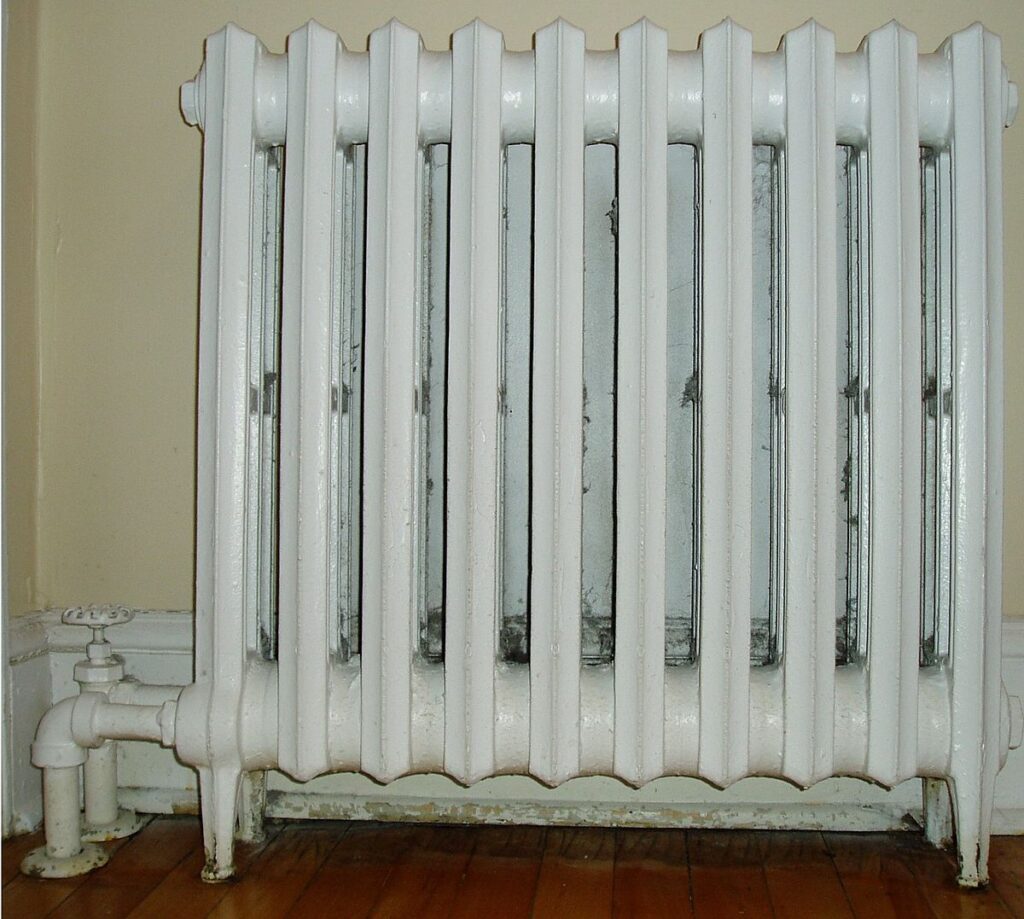
As the centerpiece of a traditional heating system, radiators play a crucial role in distributing warmth throughout your home. While they may not be as prominent as other components, it’s essential to understand their importance and take steps to optimize their performance.
A Brief History of Radiators
In the past, radiators were an integral part of every household, but with the rise of modern heating systems, they’ve become less common. However, many homes still rely on radiators, and for good reason – they’re convenient, energy-efficient, and cost-effective.
Why Radiators Matter
Radiators are not just a necessary component; they’re also a key factor in maintaining your home’s overall comfort and efficiency. A well-maintained radiator can:
- Distribute heat evenly throughout the room
- Reduce energy consumption by minimizing heat loss
- Extend the lifespan of your heating system
Common Mistakes to Avoid
While radiators are straightforward, there are a few common mistakes to watch out for:
- Don’t cover them: Leaving radiator covers on can block the flow of warm air, reducing their effectiveness.
- Avoid over-pressurization: Excessive pressure can lead to reduced performance and even damage your radiator.
Optimizing Your Radiator’s Performance
To get the most out of your radiator, follow these simple tips:
- Maintain proper ventilation: Ensure good airflow around the radiator to prevent overheating.
- Clean and inspect regularly: Regular cleaning can improve efficiency, while inspection helps identify potential issues before they become major problems.
- Consider smart radiator technology: Some modern radiators come equipped with advanced features like thermostatic controls and sensors that help optimize performance.
Improving System Control
To maximize your radiator’s effectiveness, consider the following system control options:
- Smart valves: Install smart valves to automate temperature control and reduce energy waste.
- Zone control systems: Implement a zone control system to regulate temperature in individual rooms or areas of your home.
- Smart thermostats: Utilize advanced thermostats that can learn your schedule and preferences to optimize heating and cooling.
FAQs
Here are some frequently asked questions about radiators:
- Q: How often should I clean my radiator?
A: Clean your radiator every 3-6 months, depending on usage. - Q: Can I cover my radiator to save energy?
A: No, covering your radiator can reduce its effectiveness and lead to increased energy bills. - Q: What are the benefits of using smart radiator technology?
A: Smart radiators offer advanced features like temperature control, scheduling, and energy monitoring.
Additional Tips for Radiator Maintenance
To ensure your radiator runs smoothly and efficiently, follow these additional tips:
- Check for leaks: Regularly inspect your radiator for signs of leakage or damage.
- Use the right materials: Use suitable materials when repairing or replacing parts to prevent further damage.
- Keep the area clean: Ensure the surrounding area remains clear of debris and dust to maintain proper airflow.
Smart Radiator Technology: What’s Available?
Modern radiators have evolved to incorporate advanced features that enhance performance, convenience, and energy efficiency. Some popular smart radiator technologies include:
- Thermostatic controls: Automatic temperature regulation using sensors and thermostats.
- Scheduling capabilities: Automated control of heating and cooling based on your schedule.
- Energy monitoring: Real-time tracking of energy consumption to optimize usage.
Conclusion
Optimizing your radiator’s performance can have a significant impact on your home’s comfort, efficiency, and cost-effectiveness. By following these guidelines and incorporating smart radiator technology, you can enjoy a warmer, more efficient, and environmentally friendly heating system.


