
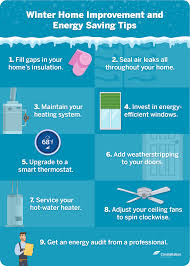
As the autumn season approaches, many people are on the lookout for ways to reduce their heating bills. By understanding your heating system and making a few simple adjustments, you can significantly cut back on energy consumption and save some serious cash.
Understanding Your Thermostat
One of the most effective ways to start saving is by regulating your thermostat. Even small reductions in temperature can lead to substantial savings over time. For example, lowering the temperature from 20°C to 19°C can result in a 10% reduction in energy consumption per year. This may seem like a minor adjustment, but it can add up to hundreds of dollars in savings.
The Impact of Thermostat Settings on Your Energy Bill
Think of your thermostat as a control room for your home’s heating system. By adjusting the temperature, you’re essentially controlling the amount of heat that flows into your home. This means that by lowering the temperature, you’re reducing the amount of energy needed to warm your space. It’s not just about wearing an extra sweater or two; it’s about making a deliberate choice to conserve energy.
Efficiency Ratings: What Do They Mean?
When shopping for a new heating system, look for products with high efficiency ratings. These systems use less energy to produce the same amount of heat as standard models. A high-efficiency heating system can save you up to 30% on your annual energy bill. To give you an idea of just how much this can add up, consider that a standard heating system costs around $1,060 per year for an average-sized home.
The Benefits of High-Efficiency Heating Systems
High-efficiency heating systems are not only good for the environment; they’re also smart investments for your wallet. By using less energy to produce heat, you’ll save money on your utility bills and reduce your carbon footprint. Plus, high-efficiency systems often come with additional features like programmable thermostats, which can help you automate your temperature adjustments.
Additional Tips for Energy Efficiency
Here are a few more tips to help you optimize your home heating:
- Avoid covering your calorifiers with blankets or other obstructions. This will prevent the heat from circulating throughout your home.
- Use a timer to schedule your heating system’s operation, so you can avoid wasting energy when you’re not home.
- Consider investing in a smart thermostat that can learn your daily routines and adjust the temperature accordingly.
Choosing the Right Heating System
When it comes to choosing a heating system, there are several options available. Here are a few things to consider:
- Forced Air Systems: These systems use a blower to circulate warm air throughout your home. They’re often more expensive than other types of systems, but they can be very effective at warming up small spaces.
- Radiant Floor Systems: These systems involve installing pipes under your floor to distribute heat directly into the space. They’re often more expensive upfront, but they can be very efficient and comfortable.
- Heat Pumps: These systems use refrigeration to transfer heat from one location to another. They’re often more cost-effective than other types of systems and can provide both heating and cooling.
Common Mistakes to Avoid
Here are a few common mistakes to avoid when it comes to optimizing your home heating:
- Not Regularly Maintaining Your System: Failing to regularly clean and maintain your heating system can lead to reduced efficiency and higher energy bills.
- Ignoring Thermostat Settings: Not adjusting your thermostat settings correctly can result in wasted energy and increased costs.
- Not Using Energy-Efficient Practices: Forgetting to use blankets or cover calorifiers with obstructions can lead to lost heat and reduced energy savings.
Conclusion
By understanding your heating system, making a few simple adjustments, and investing in high-efficiency systems, you can significantly reduce your energy consumption and save some serious cash. Remember, every little bit counts, and even small changes can make a big difference over time.
Frequently Asked Questions (FAQs)
- How much can I expect to save by regulating my thermostat?
A: Even small reductions in temperature can lead to substantial savings over time. For example, lowering the temperature from 20°C to 19°C can result in a 10% reduction in energy consumption per year. - What is the average cost of a standard heating system?
A: The average annual cost of a standard heating system for an average-sized home is around $1,060. - How do high-efficiency heating systems compare to standard models?
A: High-efficiency heating systems use significantly less energy to produce the same amount of heat as standard models, resulting in substantial savings on your utility bills. - Can I still save money if I have a standard heating system?
A: Yes, by making small adjustments to your thermostat settings and using energy-efficient practices like using blankets or covering calorifiers with obstructions can help reduce energy consumption and save some cash. - What are some additional tips for optimizing my home heating?
A: Consider investing in a smart thermostat that can learn your daily routines and adjust the temperature accordingly, use a timer to schedule your heating system’s operation, and avoid covering your calorifiers with obstructions or using blankets to trap heat. - How often should I change my air filters?
A: It’s recommended to change your air filters every 1-3 months, depending on usage and indoor air quality. - Can I install a smart thermostat in my home?
A: Yes, many modern heating systems are compatible with smart thermostats that can learn your daily routines and adjust the temperature accordingly.
By following these tips and making conscious choices about your home heating, you can significantly reduce energy consumption, save some serious cash, and create a more sustainable living space.


