
As a topic that not everyone is familiar with, heat cables are definitely worth delving deeper into. That’s why we’ve created this in-depth guide to help you understand everything there is to know about these cables.
Contents
- What are Heat Cables?
- Heat Cables vs. Insulation Materials
- Types of Heat Cables
- Materials and Construction of Heat Cables
- Safety Features and Precautions
- Installation and Maintenance of Heat Cables
- Applications and Uses of Heat Cables
- Conclusion
What Are Heat Cables?
In simple terms, heat cables are wires that heat up when electricity flows through them. Also known as thermocable or heating cable, they’re a type of cable that’s designed to provide warmth and comfort in various settings.
While often referred to interchangeably with “insulation materials,” heat cables are actually distinct from other types of insulation solutions. This is because they generate heat internally, rather than relying on external insulation properties.
Heat Cables vs. Insulation Materials
One key difference between heat cables and traditional insulation materials is how they provide warmth. While insulation materials work by reducing heat transfer or reflecting radiant heat, heat cables generate heat through electrical resistance. This means that they can be used in a variety of applications where temperature control is essential.
In terms of usage, heat cables are often sold as grout heaters for exterior walls and decks, but they can also be used inside homes to provide warmth in unheated areas or as a backup heating source during power outages. When it comes to installation, heat cables typically need to be protected from moisture and physical damage.
Types of Heat Cables
There are several types of heat cables available, each with its own unique characteristics and applications:
- Constant-Wattage Heat Cables: These cables maintain a constant temperature throughout their length. They’re ideal for use in areas where consistent heat is required, such as unheated garages or workshops.
- Auto-Regulating Heat Cables: As the name suggests, these cables adjust their output based on ambient temperature. This makes them suitable for applications where temperature fluctuations are common.
When choosing a heat cable, consider factors like power consumption, lifespan, and safety features. With so many options available, it’s essential to select the right type of heat cable for your specific needs.
Materials and Construction of Heat Cables
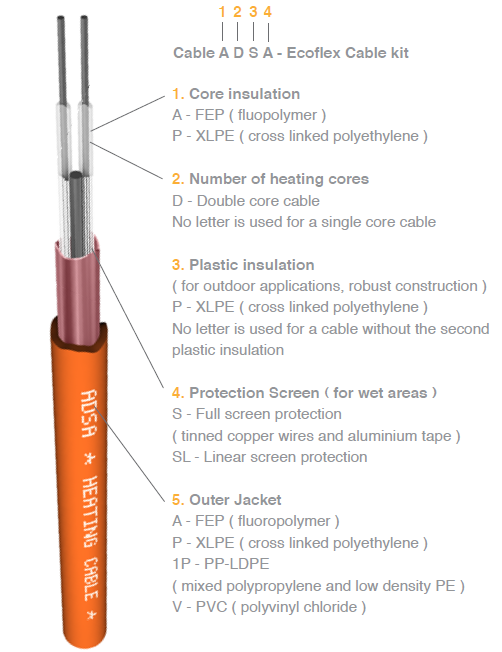
Heat cables are typically made from high-quality materials that ensure durability and performance. Some common materials used in heat cable construction include:
- Welded Leads: These leads consist of multiple wires soldered together to create a single, continuous lead.
- Insulated Leads: Insulated leads feature a protective coating that prevents electrical shock or damage from moisture.
Heat cables also come in various sizes and configurations, such as:
- Straight Leads: Straight leads are ideal for applications where flexibility is not necessary.
- Flexible Leads: Flexible leads are perfect for use in tight spaces or areas with limited accessibility.
Safety Features and Precautions
When working with heat cables, it’s crucial to prioritize safety. Some essential safety features to look for include:
- Grounding: Grounding ensures that the heat cable is safely connected to a grounding point, reducing the risk of electrical shock.
- Overheat Protection: Overheat protection prevents damage from excessive temperature fluctuations.
Precautions to take when working with heat cables include:
- Avoiding Moisture Exposure: Heat cables should be kept dry and free from moisture to prevent electrical failure or damage.
- Using Proper Installation Techniques: Follow the manufacturer’s installation instructions to ensure safe and effective use.
Installation and Maintenance of Heat Cables
Proper installation and maintenance are essential for ensuring the longevity and effectiveness of heat cables. Here are some tips:
- Regular Inspections: Regularly inspect heat cables for signs of wear or damage.
- Cleaning and Maintenance: Clean the area around heat cables to prevent debris buildup.
Applications and Uses of Heat Cables
Heat cables have a wide range of applications, including:
- Unheated Garages: Unheated garages can benefit from the warmth provided by heat cables.
- Workshops and Factories: Workshops and factories often require consistent temperature control, making heat cables an ideal solution.
- Outdoor Spaces: Heat cables can be used to provide warmth in outdoor spaces, such as decks or patios.
Conclusion
Heat cables offer an effective solution for providing warmth in various settings. By understanding the characteristics and applications of heat cables, you can make informed decisions when selecting a heat cable for your project. Whether you’re looking to improve comfort or provide backup heating during power outages, heat cables are definitely worth exploring further.
Here are some frequently asked questions about heat cables that we’ve addressed in this article:
- What is the purpose of a heat cable?
- Heat cables are designed to generate warmth and provide comfort in various settings.
- How do heat cables work?
- Heat cables produce heat through electrical resistance, making them an effective solution for temperature control.
- Are heat cables suitable for outdoor use?
- Yes, many types of heat cables are designed for exterior use and can be installed on walls, decks, or other surfaces.
- Can heat cables be used indoors?
- Yes, heat cables can be used inside homes to provide warmth in unheated areas or as a backup heating source during power outages.


