
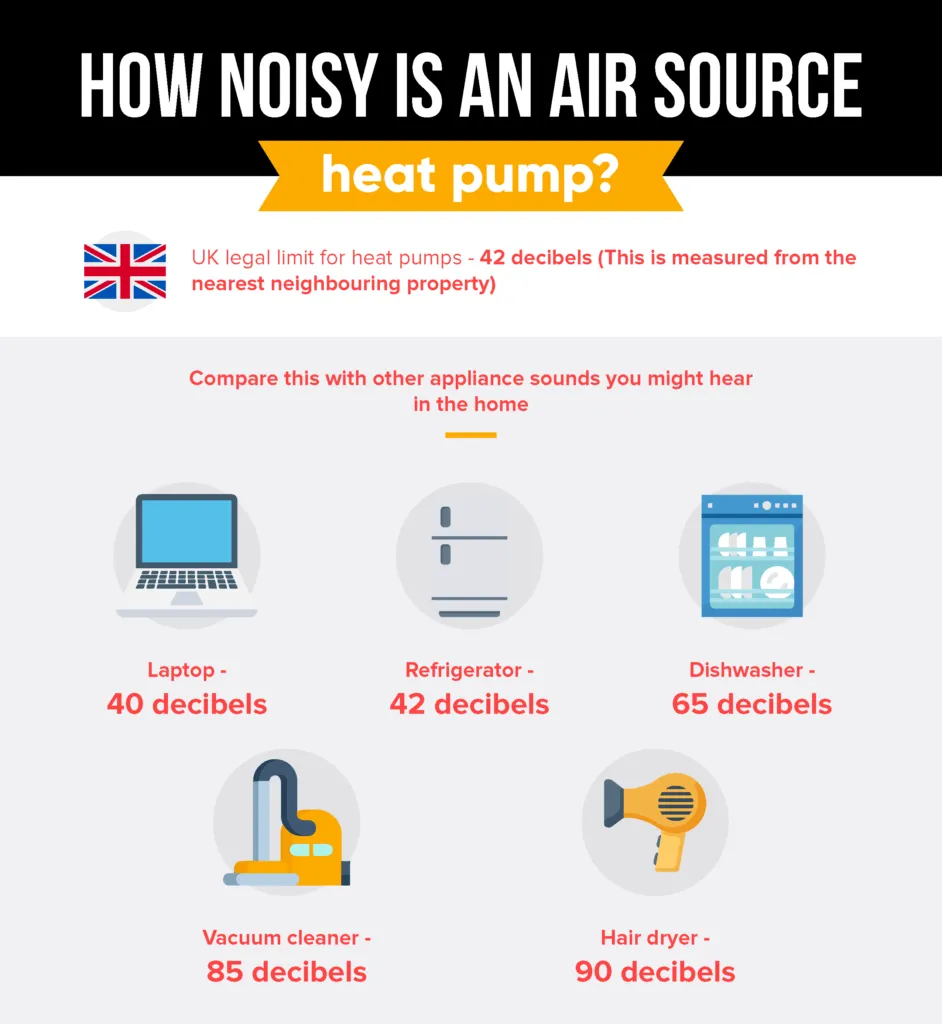
The Truth About the Noise of Heat Pumps: A Comprehensive Guide
As we navigate our homes, we often hear strange noises coming from various appliances. One such noise that has sparked curiosity is the hum or rumble produced by heat pumps. In this article, we’ll delve into the world of heat pump noise, exploring what it is, why it happens, and how to minimize its impact on your daily life.
Understanding Heat Pump Noise
Heat pumps can be noisy, but the type of noise produced depends on various factors, including the installation method, materials used, and construction quality. In general, a heat pump produces a noise similar to that of other heating systems. However, when it comes to comparing this noise to others, there are significant differences.
Decibels and Sound Levels
To better understand the level of noise produced by heat pumps, we need to discuss decibels (dB). Decibels measure sound levels, with 0 dB being completely silent and 20 μPa being barely audible. Here’s a comparison:
- 10 dB: Inaudible
- 20 dB: Similar to the ticking of an analog watch
- 50 dB: Comparable to the gentle flow of a stream
- 70 dB: Like the sound of a passing motorcycle
- 100 dB: Equivalent to the noise from a car horn at 5 meters away
Why Heat Pumps Produce Noise
Heat pumps produce noise due to vibrations and pressure waves generated by their operation. These vibrations can be caused by the pump’s movement, fan rotation, or other mechanical components.
Factors Contributing to Heat Pump Noise
Several factors contribute to heat pump noise, including:
- Tubing materials: The type of tubing used can affect vibration transmission. Flexible tubes made from resistant materials like rubber and PVC help minimize this effect.
- Mounting: The way the unit is mounted can also impact noise levels. Some manufacturers offer specific mounting systems designed to absorb vibrations.
- Installation location: Where the heat pump is installed can influence its noise level. Internal installations can lead to noise pollution if not properly insulated, while external installations often require additional measures.
- Construction quality: The overall construction quality of the heat pump can also impact its noise level.
Minimizing Heat Pump Noise: Installation Methods
To reduce heat pump noise, manufacturers use various installation methods:
- Internal insulation: Installing the unit inside your home and ensuring proper insulation helps minimize noise pollution.
- External mounts: Mounting the unit outside typically eliminates the risk of noise transfer indoors. However, this scenario requires additional measures:
- Disaccoppiamento insonorizzante: A disconnection system is necessary when the base plate comes into direct contact with the building.
- Tubing materials: Flexible tubes further reduce vibration transmission.
External Installation: Additional Measures
When installing heat pumps externally, additional measures are necessary to ensure quiet operation:
- Disaccoppiamento insonorizzante: A disconnection system is required when the base plate comes into direct contact with the building.
- Tubing materials: Flexible tubes reduce vibration transmission.
- Mounting systems: Specific mounting systems designed to absorb vibrations help minimize noise levels.
Internal Installation: Additional Measures
When installing heat pumps internally, additional measures are necessary to ensure quiet operation:
- Insulation: Proper insulation helps minimize noise pollution.
- Mounting systems: Specific mounting systems designed to absorb vibrations can reduce noise levels.
Conclusion
Heat pumps can produce noise due to vibrations and pressure waves. However, by understanding the factors contributing to this noise and employing effective installation methods, you can minimize its impact on your daily life. Remember that external installations often require additional measures to ensure quiet operation.


