
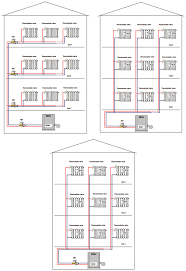
As we approach the deadline set by the decree legislativo 102/2014, it’s time to start thinking about the contabilization of heat in buildings. This process, which aims to make property owners and tenants pay for the energy they consume, is a crucial step towards achieving energy efficiency and sustainability.
What is Contabilization of Heat?
In simple terms, contabilization of heat means making each person responsible for paying for the energy their apartment or building consumes. This can be achieved by installing devices that measure the temperature of the calorifiers and the air in each room, and then calculating the amount of energy used.
The concept of contabilization of heat has been around for some time, but it’s only recently gained significant attention due to increasing concerns about energy efficiency and sustainability. As more countries implement policies aimed at reducing greenhouse gas emissions, property owners and tenants need to understand their role in achieving these goals.
Why is Contabilization of Heat Important?
The benefits of contabilization of heat are numerous. Firstly, it encourages property owners to take responsibility for their energy consumption, which can lead to significant savings on utility bills. Secondly, it promotes energy efficiency by encouraging the installation of new, more efficient systems. Lastly, it provides a sense of equity and transparency in energy pricing.
By making each person responsible for paying for the energy they consume, contabilization of heat helps to create a more level playing field between property owners and tenants. This can lead to increased investment in energy-efficient technologies and improved building management practices.
How Does Contabilization of Heat Work?
The process involves installing devices that measure the temperature of each calorifier and room, and then calculating the amount of energy used. This information is then used to determine the amount of energy consumed by each person or building. The costs can be calculated annually and shared among all users.
To achieve this, property owners and tenants need to install specialized devices that can accurately measure the temperature of each calorifier and room. These devices are typically connected to a central computer system that calculates the energy consumption based on various factors, including the type of fuel used, the efficiency of the heating system, and the number of users in each building.
Who Needs to Take Action?
Not everyone needs to take action immediately, but it’s essential to start preparing for the deadline set by the decree legislativo 102/2014. Property owners and managers of buildings with multiple apartments need to ensure that they comply with the regulations before the deadline.
Property owners who rent out their properties on a short-term basis may also need to take action. These individuals typically have limited control over the energy consumption in their properties, as tenants often use the heating system for extended periods of time. However, by implementing contabilization of heat devices, property owners can still take steps towards achieving energy efficiency and sustainability.
What Are the Consequences of Not Taking Action?
If property owners and tenants fail to comply with the regulations, they may face fines ranging from €500 to €2,500. Moreover, non-compliance can lead to a lack of transparency in energy pricing and a failure to take responsibility for energy consumption.
In addition, non-compliance can also lead to reputational damage, as property owners who fail to prioritize energy efficiency may be seen as irresponsible or environmentally unfriendly. In today’s increasingly environmentally conscious society, this reputation can have significant consequences for business and the bottom line.
How Much Will It Cost to Install Contabilization of Heat?
The cost of installing contabilization of heat devices can range from €80 to €100 per device, depending on the type and quality of the equipment. Additionally, there may be annual costs associated with calculating and sharing energy consumption among users.
However, by investing in contabilization of heat devices, property owners and tenants can significantly reduce their energy bills over time. In fact, studies have shown that properties equipped with contabilization of heat devices can save up to 30% on heating costs compared to those without such systems.
What Are the Benefits of Upgrading to New Heating Systems?
Upgrading to new heating systems, such as a condensing boiler, can lead to significant savings on utility bills (up to 40%) and energy efficiency improvements. Moreover, new systems can also provide additional benefits, such as improved indoor air quality and reduced noise pollution.
When choosing a new heating system, property owners should consider factors such as the type of fuel used, the efficiency rating, and the maintenance requirements of the system. By selecting a high-efficiency system and following proper maintenance procedures, property owners can ensure that their heating system operates at peak levels while also reducing their energy bills.
FAQs
- What is the deadline for implementing contabilization of heat?
The deadline for implementing contabilization of heat is set by the decree legislativo 102/2014, with a specific date of January 1, 2017. - Who needs to take action?
Property owners and managers of buildings with multiple apartments need to ensure that they comply with the regulations before the deadline. - What are the costs associated with installing contabilization of heat devices?
The cost of installing contabilization of heat devices can range from €80 to €100 per device, depending on the type and quality of the equipment. - Can I upgrade my heating system and still comply with the regulations?
Yes, upgrading your heating system can also help you comply with the regulations and improve energy efficiency. - How do I calculate my annual costs for contabilization of heat?
Annual costs associated with calculating and sharing energy consumption among users will depend on various factors, including the type of equipment used and the number of users in each building.
Conclusion
The implementation of contabilization of heat is a crucial step towards achieving energy efficiency and sustainability. By making property owners and tenants responsible for their energy consumption, we can promote transparency, equity, and responsibility in our buildings.
While there are costs associated with installing contabilization of heat devices, the benefits far outweigh these expenses. By investing in high-efficiency systems and following proper maintenance procedures, property owners can significantly reduce their energy bills and contribute to a more sustainable future for generations to come.
As we approach the deadline set by the decree legislativo 102/2014, it’s essential that property owners take proactive steps towards achieving energy efficiency and sustainability. By understanding the benefits and requirements of contabilization of heat, we can work together to create a more environmentally friendly and responsible building industry.


