
Understanding the Need for Heat Measurement Systems
In recent years, heat measurement systems have become an essential component in condominium living. This is because they enable automatic temperature management in each unit, dividing expenses according to actual consumption.
There are various types of heat measurement systems, each with its unique operating mechanism. In this article, we will explore the necessity of employing “heat meters” in condominium settings to achieve energy savings.
The Importance of Heat Measurement Systems in Condominiums
Many legal requirements and guidelines regarding the installation of heat measurement systems, thermostatic valves, costs, and who is responsible for paying these costs are discussed in our “Heat Measurement in Condominiums” page. In this article, we will focus on how heat measurement systems work.
How Heat Measurement Systems Function in Condominiums
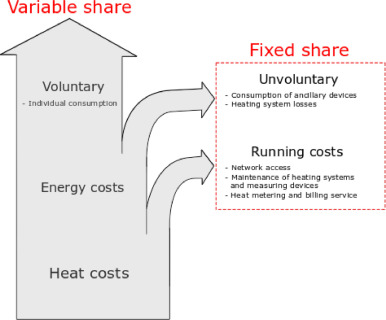
In recent years, adopting devices to measure heat has become mandatory for condominium dwellers. This is because it ensures the correct allocation of heating expenses among residents. It has been observed that without a fair distribution of heating costs, condominium residents tend to waste an excessive amount of energy.
Compared to standard centralized heating systems, employing heat measurement systems can save up to 25% of energy consumption. Heat measurement systems in condominium settings are legally required.
As previously stated, there is no single heat measurement system, making it challenging to summarize its functioning. The operation mechanism of heat measurement depends on the type of installation in each condominium.
If a condominium was built in the 1990s, it employs a “horizontal distribution” system that involves direct heat measurement systems. On the other hand, older condominiums (built before the late 1980s) use vertical distribution systems, which necessitate indirect heat measurement systems.
Direct Heat Measurement Systems
Direct heat measurement systems involve meters that measure energy at the point of entry for each unit’s heating system; in essence, these “systems count” the thermal energy taken by every unit through its individual thermostatic controls.
Older condominiums without separate entrances for each unit require indirect heat measurement systems. In such cases, the system measures the amount of thermal energy emitted by every heating source. The functioning process is more complicated because it does not directly measure the amount of heat consumed like direct systems do; instead, it measures an index of consumption proportional to the thermal input.
The “thermostat” is a device that measures the emission of thermal energy from each heating system and returns a value without any units, thereby not corresponding to actual kWh consumed. The data can be accessed directly through devices or remotely using solutions that transmit the measured values at regular intervals (bimestrially, semiannually, or according to choice by condominium management).
Regardless of whether it is direct or indirect, each system requires a heat consumption partitioner and thermostatic valves for proper functioning.
While the thermostat only measures actual thermal energy produced by radiators (thereby making residents pay only their actual consumption), thermostatic valves optimize temperature levels in each environment.
The functioning process is straightforward: once an environment starts heating up, the thermostatic valve begins to close, reducing the amount of energy absorbed by that specific radiator. As a result, the heat partitioner will record a decrease in consumption.
Indirect Heat Measurement Systems
Indirect heat measurement systems measure thermal energy emitted by every heating source and return an index of consumption proportional to the thermal input. These systems are more complicated than direct heat measurement systems because they do not directly measure the amount of heat consumed.
In older condominiums without separate entrances for each unit, indirect heat measurement systems are employed to divide expenses among residents. The functioning process involves measuring the thermal energy emitted by every heating source and calculating the index of consumption proportional to the thermal input.
The “index” or “heat flow index” is calculated based on various factors such as the number of radiators in use, their power rating, and their operating hours. This index is then used to determine the amount of heat consumed by each unit.
Types of Heat Measurement Systems
There are several types of heat measurement systems employed in condominium settings, including:
- Horizontal Distribution Systems: These systems involve direct heat measurement systems that measure energy at the point of entry for each unit’s heating system.
- Vertical Distribution Systems: These systems employ indirect heat measurement systems that measure thermal energy emitted by every heating source and return an index of consumption proportional to the thermal input.
- Thermostatic Control Systems: These systems involve thermostats that regulate temperature levels in each environment by controlling the amount of energy absorbed by radiators.
- Heat Consumption Partitioning Systems: These systems divide expenses among residents based on actual heat consumption.
Benefits of Heat Measurement Systems
Employing heat measurement systems can provide numerous benefits, including:
- Energy Savings: Heat measurement systems can save up to 25% of energy consumption compared to standard heating systems.
- Fair Division of Expenses: Heat measurement systems enable automatic temperature management and divide expenses according to actual consumption.
- Improved Energy Efficiency: Heat measurement systems optimize temperature levels in each environment, reducing energy waste and promoting energy efficiency.
Challenges and Limitations
While heat measurement systems offer numerous benefits, there are also challenges and limitations associated with their implementation. Some of the key challenges include:
- Complexity: Heat measurement systems can be complex to install and maintain.
- Cost: Installing heat measurement systems can be expensive, especially for older condominiums.
- Integration: Heat measurement systems may require integration with existing heating systems, which can be challenging.
Conclusion
In conclusion, employing heat measurement systems can save significant amounts of energy and help manage temperature levels in condominium settings more effectively. To learn more about legal requirements, installation costs, and who is responsible for paying these costs, please refer to our “Heat Measurement in Condominiums” page.
Frequently Asked Questions (FAQs)
-
What are the benefits of employing heat measurement systems in condominiums?
-
Heat measurement systems enable automatic temperature management.
- These systems divide expenses according to actual consumption.
-
They save up to 25% of energy compared to standard heating systems.
-
Why is it mandatory for condominium dwellers to employ heat measurement systems?
-
It ensures the correct division of heating costs among residents.
-
Without fair distribution, residents tend to waste a lot of energy.
-
How do direct and indirect heat measurement systems function?
-
Direct heat measurement systems measure thermal energy at each unit’s heating system entry point.
-
Indirect heat measurement systems measure thermal energy emitted by every heating source and return an index of consumption proportional to the thermal input.
-
What is a thermostat, and what role does it play in heat partitioning?
-
A thermostat measures the emission of thermal energy from each heating system.
-
It returns a value without units, making residents pay only their actual consumption.
-
How do thermostatic valves contribute to temperature management?
-
They optimize temperature levels by closing when an environment starts heating up.
-
This reduces energy absorption and records a decrease in consumption.
-
What is the necessity of employing a heat consumption partitioner in conjunction with thermostatic valves?
-
Both are required for proper functioning of heat measurement systems.
-
How can condominium residents ensure fair division of heating costs?
-
By employing heat measurement systems.
-
These systems enable automatic temperature management and divide expenses according to actual consumption.
-
What is the legal obligation regarding the installation of heat measurement systems in condominiums?
-
There is no single system, but they are required for condominium settings to ensure correct temperature management and energy savings.


