
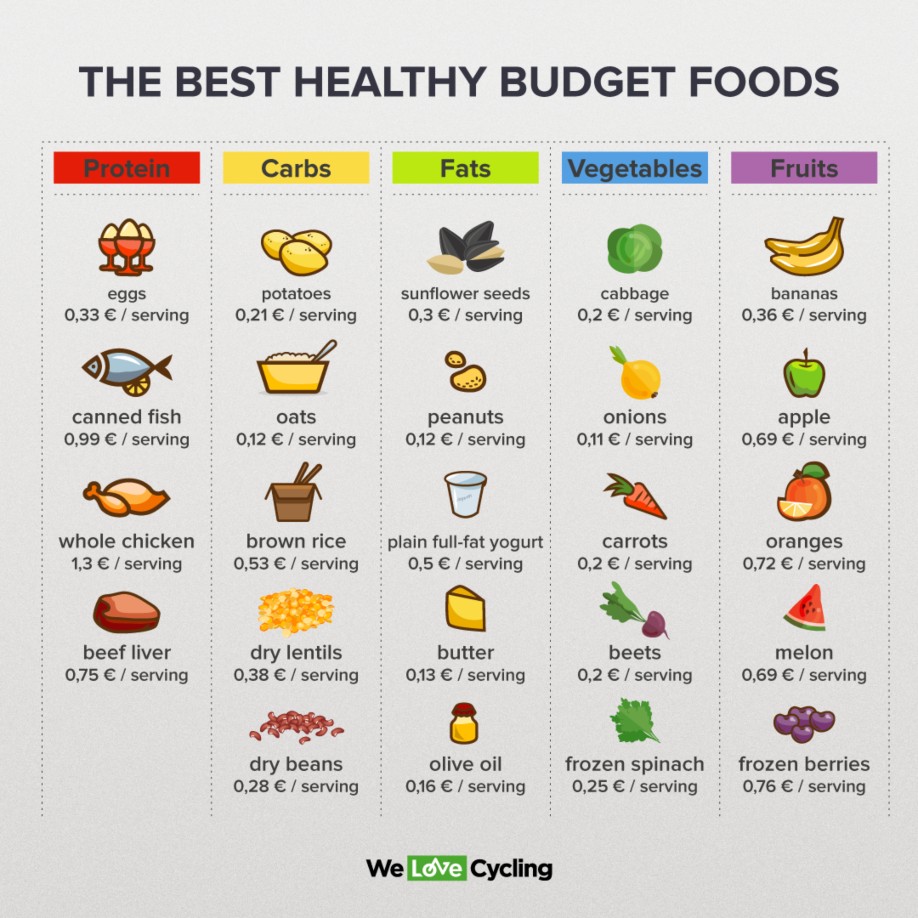
Have you ever wondered why it’s so hard to believe that there are healthy and affordable food options available? Perhaps you’re one of the many people who think that choosing a healthy diet has to come at a higher cost. Unfortunately, this is not always the case. In fact, research suggests that our perceptions of healthy food are often influenced by marketing tactics and biases.
The Problem with Information Overload
One major reason why it’s difficult to find healthy and affordable food options is due to information overload. We’re constantly bombarded with advertisements, reviews, and recommendations from friends and family members. This can lead to decision fatigue, where we become too tired to make informed choices about what we eat.
For example, have you ever scrolled through social media and seen a friend posting about their favorite healthy breakfast smoothie? You might feel pressure to try it out as well, without doing any research on its nutritional value or cost. This can lead to overspending on unhealthy foods that claim to be “healthy” but are actually more expensive than their less healthy counterparts.
The Euristic Trap
Our brains are wired to make quick decisions based on limited information. This is known as the euristic trap. We tend to rely on shortcuts, such as relying on labels or prices, rather than taking the time to research and understand the nutritional content of a food item. For example, if a product has a fancy label or is priced high, we might assume it’s healthier.
This assumption can lead us to overspend on unhealthy foods that claim to be “healthy” but are actually more expensive than their less healthy counterparts. According to research, this can have serious consequences for our health and the health of our communities.
Experiments Revealing Our Biases
Studies have been conducted to test our biases and assumptions about healthy food. One such study found that students were willing to pay more for a healthier option if it was packaged in a fancier way or came with a higher price tag. Another experiment showed that people were less likely to choose a cheaper, healthy option unless they had specific information about its nutritional content.
These studies highlight the ways in which our biases and assumptions can influence our food choices. They also suggest that by being more aware of these biases, we can start to make more informed decisions about our food.
Breaking Free from Biases
So how can we break free from these biases and make more informed choices about our food? Here are some strategies:
- Be aware of your biases: Take time to reflect on your own assumptions about healthy food. Ask yourself if you’re relying too heavily on labels or prices.
- Seek out credible sources: Look for reliable sources of information, such as academic studies and government guidelines.
- Take the time to research: Don’t be afraid to do your homework before making a purchasing decision.
The Power of Consumer Awareness
By becoming more aware of our biases and taking the time to make informed decisions, we can start to break free from the cost-sanity myth. We can begin to see that healthy food doesn’t have to come at a higher price tag.
In fact, research has shown that when consumers are given accurate information about the nutritional content of a food item, they’re more likely to choose healthier options. This suggests that consumer awareness and education can play a powerful role in shaping public policy around food.
Conclusion
Healthy and affordable food options are not just a luxury, but a necessity for our health and well-being. By being aware of our biases and taking the time to make informed decisions, we can start to build a healthier relationship with food. Remember, voting with your wallet is an important way to shape the future of public policy.
Frequently Asked Questions
Q: Can healthy food be affordable?
A: Yes, it’s possible to find healthy food options that are also budget-friendly.
Q: How do I avoid falling victim to the cost-sanity myth?
A: Take time to research and understand the nutritional content of a food item before making a purchasing decision.
Q: What role can consumer awareness play in shaping public policy?
A: By voting with your wallet, you’re helping to create a healthier food system that benefits everyone.
Q: How can I start making more informed decisions about my food choices?
A: Take the time to research and understand the nutritional content of a food item. Ask questions and seek out credible sources of information.
Q: What are some strategies for avoiding biases when it comes to healthy food?
A: Be aware of your own assumptions and biases, take the time to research, and seek out credible sources of information.
Q: How can I promote healthy eating habits among my community?
A: Start by making informed choices yourself. Share your knowledge with others through social media or in-person conversations. Advocate for policies that support healthy food options.
The Future of Food Policy
As we move forward, it’s essential to recognize the power of consumer awareness and education in shaping public policy around food. By becoming more aware of our biases and taking the time to make informed decisions, we can start to build a healthier relationship with food.
This will not only benefit individuals but also contribute to creating a healthier food system that benefits everyone. Whether it’s advocating for policies that support healthy food options or making informed choices about what we eat, every decision counts.


