
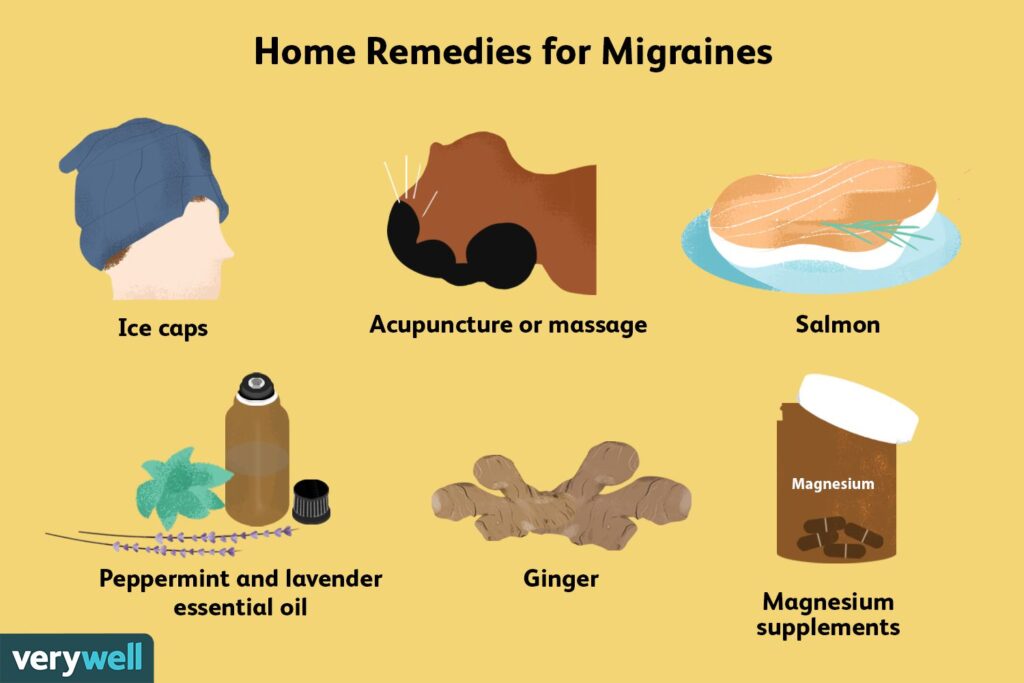
As we go about our daily lives, working and studying, a pesky headache can suddenly strike, making it difficult to focus on anything else. While over-the-counter painkillers may provide temporary relief, they often mask the symptoms rather than addressing the underlying issue. In this article, we’ll explore natural remedies for headaches that have been passed down through generations of grandmothers, and how they can help alleviate chronic or episodic headaches.
Understanding Headaches
Headaches can be a recurring problem, affecting millions of people worldwide. They can range from mild to severe, and in some cases, may even become chronic. While medication is often the first line of defense, it’s essential to consider alternative approaches that target the root causes of the pain. In this article, we’ll delve into natural remedies that have been shown to be effective in reducing or eliminating headache symptoms.
Getting Enough Sleep
One of the most crucial factors in preventing headaches is getting enough sleep. Research suggests that adults need 7-8 hours of quality sleep per night, while teenagers require up to 10 hours. Poor sleep quality and duration can lead to increased stress levels, which can trigger headaches. To improve your sleep habits, establish a consistent bedtime routine, create a relaxing sleep environment, and avoid stimulating activities before bedtime.
The Importance of Sleep
Sleep plays an essential role in maintaining overall health, including the regulation of pain. During sleep, the body undergoes various physiological processes that help to reduce inflammation and repair damaged tissues. When we don’t get enough sleep, our bodies become less efficient at regulating pain, leading to increased sensitivity and severity of headaches.
Melatonin: The Natural Sleep Aid
Melatonin is a hormone produced by the pineal gland that regulates our sleep-wake cycles. Taking melatonin supplements has been shown to reduce headache frequency and severity in some individuals. However, it’s essential to consult with a healthcare professional before starting any new supplement regimen.
The Science Behind Melatonin
Melatonin levels typically rise in the evening, promoting relaxation and sleepiness. In people with headaches, melatonin may help to alleviate symptoms by reducing inflammation, relax tense muscles, and regulate blood flow. Research suggests that melatonin supplements can be particularly effective for individuals who experience migraines or tension-type headaches.
Partenio: The Ancient Remedy
Partenio is an herbal remedy that has been used for centuries to alleviate menstrual cramps and headaches. Its efficacy can be attributed to the partenolide content, which reduces muscle contractions and excitation. This natural approach can be a great alternative to conventional medications.
The History of Partenio
Partenio originated from traditional Chinese medicine, where it was used to treat various symptoms, including menstrual cramps, headaches, and digestive issues. The herb has been passed down through generations as a natural remedy for various health concerns.
Apple Cider Vinegar: The Miraculous Remedy
Apple cider vinegar (ACV) has been touted as a miracle cure for various ailments, including headaches. Its effectiveness lies in its ability to reduce inflammation and relax tense muscles. To try ACV for headaches, mix 1 tablespoon of ACV with 8 ounces of water and inhale the vapors through steam inhalation or drinking it straight.
The Science Behind Apple Cider Vinegar
ACV contains acetic acid, which has anti-inflammatory properties that may help reduce headache symptoms. The vinegar also contains antioxidants, which can help protect against oxidative stress and inflammation in the body. Research suggests that ACV may be particularly effective for individuals with tension-type headaches.
Breathing Exercises, Stretching, and Relaxation
Stress is a common trigger for headaches, but there are ways to manage stress levels. Practicing deep breathing exercises, stretching, and relaxation techniques can help reduce tension and alleviate headache symptoms. Regular physical activity also plays a significant role in reducing headache frequency.
The Benefits of Deep Breathing Exercises
Deep breathing exercises have been shown to reduce stress levels, lower blood pressure, and promote relaxation. By slowing down your heart rate and increasing oxygen flow, deep breathing can help to relax tense muscles and alleviate headache symptoms.
Tips for Incorporating Breathing Exercises into Your Daily Routine
- Start by finding a quiet and comfortable space to practice deep breathing exercises.
- Sit comfortably with your back straight and feet planted firmly on the ground.
- Close your eyes and focus on your breath, inhaling deeply through your nose and exhaling slowly through your mouth.
- Practice deep breathing exercises for 5-10 minutes, ideally at the same time each day.
Stretching Exercises for Headaches
Stretching can help to relax tense muscles and improve blood flow, which may alleviate headache symptoms. Try these simple stretching exercises:
- Chin Tucks: Stand or sit with good posture and look straight ahead.
- Ear to Shoulder Stretch: Gently tilt your head to the side, bringing your ear towards your shoulder.
- Neck Stretch: Slowly turn your head to the side, keeping your chin level.
Relaxation Techniques for Headaches
Relaxation techniques can help reduce stress levels and promote relaxation, which may alleviate headache symptoms. Try these techniques:
- Progressive Muscle Relaxation: Tense and relax different muscle groups in your body, starting from your toes and moving up to your head.
- Visualization: Close your eyes and imagine a peaceful scene or activity that helps you relax.
- Mindfulness Meditation: Focus on the present moment, letting go of thoughts and worries.
Dietary Considerations
Your diet may be playing a role in your headaches, so it’s essential to pay attention to what you’re eating. Avoiding processed foods, sugar, and artificial additives can help reduce inflammation and alleviate symptoms. A balanced diet rich in fruits, vegetables, and whole grains can also support overall health and well-being.
The Connection Between Diet and Headaches
Research suggests that certain food additives, such as MSG (monosodium glutamate), may trigger headaches in some individuals. MSG is commonly found in processed foods, but it’s also present in many natural products. If you suspect that your diet is contributing to your headaches, consider consulting with a registered dietitian or healthcare professional for personalized guidance.
Conclusion
Headaches are a common problem that affects millions of people worldwide. While medication may provide temporary relief, it often masks the symptoms rather than addressing the underlying issue. Natural remedies such as sleep, melatonin, partenio, apple cider vinegar, breathing exercises, stretching, and relaxation can help alleviate chronic or episodic headaches. By incorporating these approaches into your lifestyle, you can take control of your health and reduce your reliance on medication.
Frequently Asked Questions (FAQs)
-
What are the best natural remedies for headaches?
-
Sleep
- Melatonin
- Partenio
- Apple cider vinegar
-
Breathing exercises, stretching, and relaxation techniques
-
Can I use apple cider vinegar to treat migraines?
Yes, apple cider vinegar has been shown to reduce headache frequency and severity in some individuals.
- How do I incorporate breathing exercises into my daily routine?
Start by setting aside a few minutes each day to practice deep breathing exercises, such as inhaling for 4 seconds, holding for 4 seconds, and exhaling for 4 seconds. Repeat this process several times a day.
- Can stress trigger headaches?
Yes, stress is a common trigger for headaches. To manage stress levels, try relaxation techniques like meditation, yoga, or progressive muscle relaxation.
-
What are some natural foods that can help alleviate headaches?
-
Fruits: berries, citrus fruits
- Vegetables: leafy greens, bell peppers
-
Whole grains: brown rice, quinoa
-
Can I use partenio to treat menstrual cramps?
Yes, partenio has been traditionally used to alleviate menstrual cramps and headaches.
- What are the potential side effects of using melatonin supplements?
Melatonin can cause dizziness, nausea, and drowsiness in some individuals. Consult with a healthcare professional before starting any new supplement regimen.
- How can I manage my stress levels naturally?
Try relaxation techniques like meditation, yoga, or progressive muscle relaxation to help reduce stress levels.
Glossary of Terms
- Chronic headache: A persistent headache that lasts for more than 3 months.
- Episodic headache: An occasional headache that occurs less frequently than a chronic headache.
- Migraine: A severe headache that can be accompanied by sensitivity to light and sound, nausea, and vomiting.
- Partenolide: A compound found in partenio that reduces muscle contractions and excitation.
Additional Resources
- National Headache Foundation: A non-profit organization dedicated to providing education and resources for individuals with headaches.
- American Academy of Neurology: A professional organization that provides information on various neurological conditions, including headaches.
- WebMD: A reputable online resource for health information, including articles on natural remedies for headaches.


