
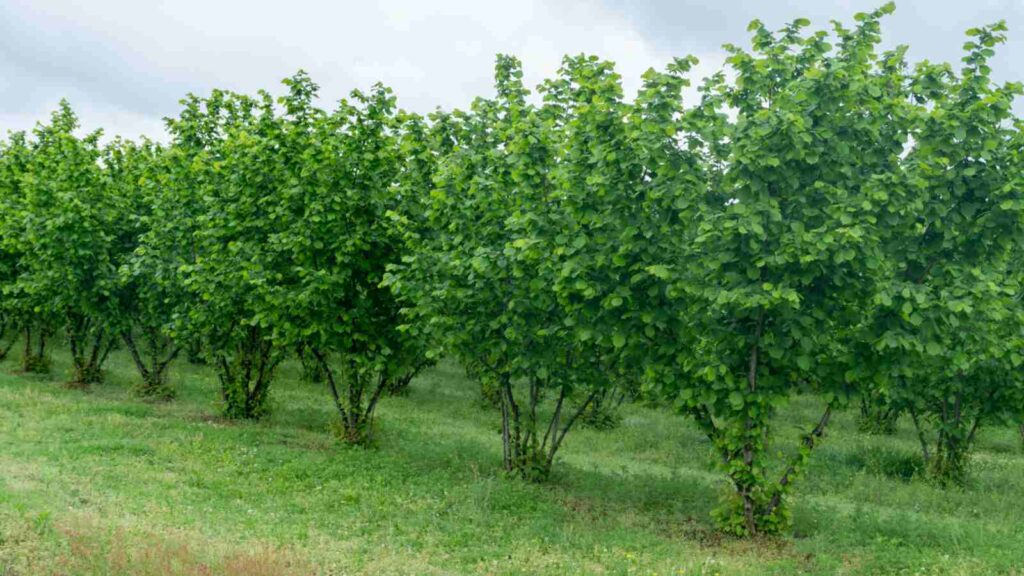
What is Hazel?
Hazels, also known as Corylus avellana, are deciduous trees that belong to the family Betulaceae. They are native to Europe, Western Asia, and North Africa, but have been widely cultivated in many parts of the world for their delicious nuts.
The Unique Characteristics of Piedmont Hazelnuts
The hazelnut from Piedmont, Italy, is renowned worldwide for its exceptional quality. Its spherical shape, rich flavor, and aroma make it a favorite among foodies and nut enthusiasts. In fact, the Piedmont hazelnut variety has been recognized as the best in the world due to these remarkable characteristics.
Understanding Hazelnut Cultivation
Before we dive into the nitty-gritty of growing hazelnuts, it’s essential to understand their cultural requirements. The Hazel tree prefers mild temperatures but can tolerate temperatures as low as -15°C in winter. This makes it an ideal crop for regions with moderate climates.
When to Plant Hazelnuts
The best time to plant hazelnut trees is between March and April, when the soil has warmed up and the risk of frost has passed. However, if you’re planning to plant in autumn or spring, make sure to choose a location with full sun or partial shade. It’s also important to note that young Hazel trees require regular watering during their first year after planting.
Soil Requirements for Hazelnuts
Hazelnut plants thrive in well-draining soils rich in phosphorus and potassium. Avoid planting on calcareous, argillaceous, or oxygen-deprived soils, as this can lead to nutrient deficiencies and poor growth. The ideal pH range for hazelnut trees is between 6.0 and 7.5.
Fertilization for Healthy Growth
Fertilization is a crucial step in hazelnut cultivation. Use a granular fertilizer that releases nutrients slowly and sprinkle it superficially around the base of the tree. In autumn, follow up with a second fertilization using mature compost to promote healthy growth. A balanced fertilizer with a N-P-K ratio of 10-10-10 is recommended.
Watering Hazelnuts: A Sensitive Process
Hazelnut trees require regular watering during dry periods, but be careful not to overwater. For the first two years after planting, water your hazelnuts twice a week with 10 liters of water per time. This will ensure they establish a strong root system.
Pruning for Optimal Yield
Pruning is an essential technique in hazelnut cultivation. Remove dry branches, vigorous suckers, and cut branches to promote healthy growth and increase nut production. Prune your Hazel tree during flowering to maximize its productivity. It’s also recommended to prune the tree every year after harvesting to maintain its shape and encourage new growth.
Propagating Hazelnuts: A Simple Process
If you want to propagate a new hazelnut tree from an existing one, use radial pollens in autumn or spring. Collect the radicinal pollens and plant them together with a part of the roots in a greenhouse. Mulch with fertile soil mixed with sand for optimal growth.
Harvesting Hazelnuts: A Rewarding Experience
The moment of truth arrives when your hazelnut tree is ready to produce nuts! Observe the tree, and when the first nuts fall off spontaneously, it’s time to harvest. Look for nuts with a yellow outer covering and dry texture, as these are ready for consumption.
The Best Time to Harvest Hazelnuts
The ideal time to harvest hazelnuts is between mid-August and September. Avoid picking green-hulled nuts, as they may not be fully ripe. It’s also recommended to harvest the nuts in the morning, when the sun is not too intense, to prevent damage.
Post-Harvest Care for Hazelnut Trees
After harvesting your hazelnuts, it’s essential to provide post-harvest care for your tree. Remove any debris and pruning material from the tree to maintain its health and appearance. Apply a layer of mulch around the base of the tree to retain moisture and suppress weeds.
Pest and Disease Management
Regularly inspect your hazelnut tree for signs of pests or diseases, such as aphids, codling moths, or fungal infections like brown rot or powdery mildew. Take action promptly if necessary to prevent damage and promote healthy growth.
Common Hazelnut Pests and Diseases
Some common pests and diseases that affect hazelnuts include:
- Aphids: These small insects feed on sap and can cause curled leaves and stunted growth.
- Codling moths: These larvae can burrow into the nut, causing damage to the fruit.
- Brown rot: A fungal infection that causes the nuts to turn brown and become rotten.
- Powdery mildew: A fungal disease that covers the leaves with a white powdery substance.
Organic Pest Control Methods
If you’re looking for organic pest control methods, consider using:
- Neem oil: A natural pesticide that can be used to control aphids and other pests.
- Diatomaceous earth: A powder made from fossilized algae that can dehydrate and kill insects.
- Row covers: Lightweight fabrics that cover the tree and prevent pests from reaching it.
Organic Disease Control Methods
If you’re looking for organic disease control methods, consider using:
- Copper-based fungicides: These natural fungicides can be used to control fungal infections like brown rot and powdery mildew.
- Baking soda: A natural substance that can help to neutralize soil pH and prevent disease.
- Compost tea: A liquid solution made from compost that can help to promote healthy growth and resist disease.
Conclusion: Growing Hazelnuts with Ease
Growing hazelnuts requires attention to detail and a commitment to proper care. By following these guidelines and understanding the unique characteristics of your Piedmont hazelnut variety, you’ll be well on your way to enjoying a bountiful harvest of delicious nuts.
Frequently Asked Questions
-
Q: Can I grow hazelnuts in my backyard?
A: Yes, with proper care and attention, you can successfully grow hazelnuts in your backyard. However, make sure to choose a location with suitable soil and climate conditions. -
Q: How do I choose the right variety of hazelnut tree?
A: Research different varieties to find the one that best suits your climate, soil type, and desired level of nut production. -
Q: Can I propagate hazelnuts using radial pollens?
A: Yes, radial pollens can be used to propagate new hazelnut trees from existing ones. -
Q: How often should I fertilize my hazelnuts?
A: Fertilize your hazelnuts in the spring and autumn, following the recommended guidelines for granular fertilizers. -
Q: Can I grow hazelnuts in containers?
A: Yes, but ensure the container is at least 30-40 cm deep to accommodate the root system of the tree. -
Q: How long does it take for a hazelnut tree to mature?
A: It typically takes 5-7 years for a hazelnut tree to reach maturity and produce nuts. -
Q: Can I eat raw hazelnuts from my backyard tree?
A: While it’s tempting, it’s generally not recommended to eat raw hazelnuts from your backyard tree without proper identification or processing. -
Q: How do I protect my hazelnut tree from pests and diseases?
A: Regularly inspect your tree for signs of pests or diseases, and take action promptly if necessary to prevent damage and promote healthy growth.
Additional Resources
- National Gardening Association: Provides information on hazelnut cultivation, pests, and diseases.
- Royal Horticultural Society: Offers guidance on growing hazelnuts in the UK.
- Cornell University Cooperative Extension: Provides resources on pest management for hazelnut trees.
By following these guidelines and staying up-to-date with the latest research and best practices, you’ll be well-equipped to grow delicious and healthy hazelnuts in your backyard.


