
Are you aware of the toxic substances lurking in your home, waiting to wreak havoc on your health and the environment? From household cleaning products to paint, cosmetics, and more, there are numerous hazardous materials hiding in plain sight. In this article, we’ll explore how to safely manage these risks and provide you with practical tips on handling household hazardous waste (HHW).
What is Household Hazardous Waste?
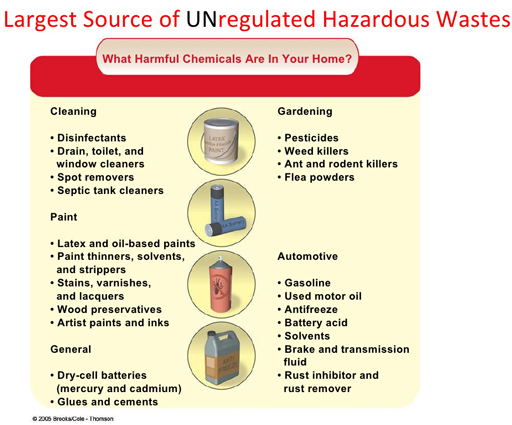
HHW refers to any non-hazardous waste that poses a risk to human health or the environment when not disposed of properly. This includes substances like:
- Cleaning products
- Paints and coatings
- Pesticides and insecticides
- Chemicals
- Batteries
- Oils and lubricants
The Risks Associated with HHW
When these hazardous materials are not handled correctly, they can lead to serious health problems and environmental contamination. Some common risks include:
- Exposure to toxic chemicals through inhalation or skin contact
- Contamination of soil and waterways
- Fire hazards from improperly stored flammable substances
Vernici and Paints: Safe Disposal
Colorful paints and coatings may seem harmless, but they can pose serious health risks if not disposed of properly. To safely dispose of vernici and paints:
- Take them to an authorized collection center or a Household Hazardous Waste facility
- Do not dispose of them in the trash or recycling bin
- Empty containers must be recycled as well
When disposing of paint, it’s essential to consider the type of paint you’re dealing with. Water-based paints are generally less hazardous than oil-based paints. Here are some specific guidelines for disposing of different types of paint:
- Water-based paints: Allow them to dry completely before disposing of the container.
- Oil-based paints: Take them to a Household Hazardous Waste facility or an authorized collection center that accepts oil-based paints.
Detersivi: Safe Handling
Household cleaning products can be hazardous if not handled correctly. To safely dispose of detersivi:
- Use them until they are almost empty
- Dispose of the container with the remaining product
- Do not pour any chemical into the drain or sewers
When handling cleaning products, it’s crucial to follow these guidelines:
- Always read and follow the label instructions.
- Wear protective gloves and eyewear when using cleaning products.
- Store cleaning products in a well-ventilated area away from heat sources.
Batteries, Oils, and Fluids: Responsible Disposal
Proper disposal is crucial for these hazardous materials. To safely dispose of batteries, oils, and fluids:
- Take them to an authorized collection center or a Household Hazardous Waste facility
- Do not dispose of them in the trash or recycling bin
- Some stations of service and repair shops also offer collection services
Here are some specific guidelines for disposing of different types of hazardous materials:
- Batteries: Take them to an authorized collection center or a Household Hazardous Waste facility. Some communities have designated battery recycling centers.
- Oils and fluids: Take them to an authorized collection center or a Household Hazardous Waste facility. Some service stations and repair shops also offer collection services.
Pitture ad Acqua: Safe Disposal
Water-based paints are generally less hazardous than oil-based paints. To safely dispose of pitture ad acqua:
- Allow them to dry completely before disposing of the container
- Take the empty container with you when taking the paint away
When disposing of water-based paints, it’s essential to consider the type of paint you’re dealing with. Some common mistakes people make when disposing of water-based paints include:
- Pouring paint down the drain or sewer.
- Littering leftover paint on the ground.
Diluenti and Trementina: Responsible Disposal
Diluenti and trementina require special care due to their hazardous nature. To safely dispose of these substances:
- Store them in sealed containers, allowing sedimentation
- Filter the liquid before reusing it
- Dispose of any remaining material with HHW
When handling diluenti and trementina, it’s crucial to follow these guidelines:
- Always wear protective gear when handling these substances.
- Use well-ventilated areas when mixing or storing them.
Conclusion
Household hazardous waste is a growing concern, and proper disposal is crucial for protecting public health and the environment. By understanding the risks associated with these materials and following simple guidelines, you can significantly reduce your exposure to toxic substances.
Frequently Asked Questions (FAQs)
- What types of products are considered household hazardous waste?
Household hazardous waste includes cleaning products, paints, pesticides, chemicals, batteries, oils, lubricants, and other similar items. - Why is proper disposal of HHW important?
Proper disposal of HHW helps prevent exposure to toxic substances, reduces environmental contamination, and prevents fires from improperly stored flammable materials. - Where can I take my household hazardous waste for disposal?
Check with your local government or waste management agency to find authorized collection centers or Household Hazardous Waste facilities in your area. - How do I safely handle batteries and other electronic waste?
Batteries should be taken to an authorized collection center or a Household Hazardous Waste facility. Electronic waste should be disposed of through designated recycling programs. - Can I dispose of paint and solvents in the regular trash?
No, it’s recommended to take them to an authorized collection center or a Household Hazardous Waste facility for proper disposal. - How can I reduce my exposure to household hazardous waste?
Follow safety guidelines when handling these materials, use protective equipment, and consider using eco-friendly alternatives whenever possible.
Additional Tips
Here are some additional tips to help you safely manage household hazardous waste:
- Always read and follow the label instructions on any cleaning product or chemical.
- Store hazardous materials in sealed containers, away from heat sources and children.
- Consider keeping a “cleaning supplies” list to keep track of your usage and disposal needs.
- Participate in local HHW collection events or programs.
By taking these steps and being mindful of the risks associated with household hazardous waste, you can help create a healthier and more sustainable environment for ourselves and future generations.


