
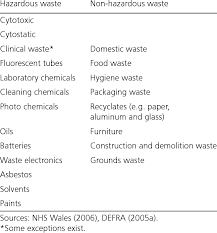
As humans, we produce a significant amount of waste as a result of our daily activities, from industrial processes to household consumption. However, not all waste is created equal. Some types of waste pose serious environmental and health risks if not managed properly. In this article, we will delve into the world of hazardous and non-hazardous waste, exploring regulations, classification codes, and management practices.
What are Hazardous and Non-Hazardous Waste?
Hazardous and non-hazardous waste refer to two categories of waste that require different management approaches. Hazardous waste is defined as any waste that poses a risk to human health or the environment due to its chemical or physical properties. This includes waste from industrial processes, chemicals, pesticides, and other substances that can contaminate soil, water, and air.
On the other hand, non-hazardous waste is waste that does not pose significant environmental or health risks. Examples of non-hazardous waste include food waste, paper products, glass, and metal scraps.
Regulations for Managing Hazardous Waste
The management of hazardous waste is regulated by various national and international laws. In Italy, the relevant regulations are outlined in articles 208, 209, 210, 211, 212, 214, 215, and 216 of the Environmental Protection Act.
For companies that want to transport hazardous waste to certified collection centers, they must be registered in the Environmental Waste Management Register at the Regional Section where they operate. Article 212 specifically requires this registration for waste management purposes.
Classification Codes for Hazardous and Non-Hazardous Waste
The classification of waste has become more standardized over the years, with the introduction of European Waste Code (CER) codes. The CER code is an identifying code that replaces traditional Italian codes and provides a clear indication of waste type.
There are currently 19 CER codes assigned to hazardous and non-hazardous waste categories. Some examples include:
- CER 01: Waste from mineral exploration, mining, or quarrying
- CER 02: Waste produced by agriculture, horticulture, aquaculture, forestry, hunting, and fishing
- CER 03: Waste from wood processing and production of panels, furniture, pulp, paper, and cardboard
- CER 04: Waste from leather and fur processing and textile industry
- CER 05: Waste from petroleum refining, natural gas purification, and pyrolytic carbon treatment
Importance of Proper Waste Management
Proper waste management is crucial to prevent environmental pollution and protect public health. Hazardous waste, in particular, requires specialized handling and disposal methods to minimize risks.
The consequences of improper waste management can be severe, including soil contamination, water pollution, and harm to wildlife. Therefore, it is essential for individuals, companies, and governments to adopt responsible waste management practices.
Benefits of Proper Waste Management
Proper waste management offers several benefits, including:
- Reduced environmental pollution: By disposing of hazardous waste properly, we can prevent the release of toxic substances into the environment.
- Improved public health: Proper waste management reduces the risk of exposure to harmful substances that can cause illnesses and diseases.
- Conservation of natural resources: By recycling and reusing materials, we can conserve natural resources and reduce the need for raw materials.
- Economic benefits: Proper waste management can also lead to cost savings by reducing the need for landfills and incineration.
Challenges in Managing Hazardous Waste
Despite the importance of proper waste management, managing hazardous waste poses several challenges. Some of these challenges include:
- Lack of awareness: Many people are not aware of the risks associated with hazardous waste and how it can be managed.
- Insufficient regulations: In some countries, the regulations for managing hazardous waste may be inadequate or unclear.
- Limited infrastructure: The lack of specialized facilities for handling and disposing of hazardous waste can make it difficult to manage these substances effectively.
Best Practices in Managing Hazardous Waste
To overcome the challenges associated with managing hazardous waste, several best practices can be implemented:
- Education and awareness: Educating individuals and communities about the risks associated with hazardous waste is essential for promoting proper management practices.
- Collaboration: Collaboration between governments, industries, and civil society organizations is crucial for developing effective regulations and implementing best practices in waste management.
- Investment in infrastructure: Investing in specialized facilities for handling and disposing of hazardous waste can help to ensure that these substances are managed effectively.
Conclusion
Hazardous and non-hazardous waste require different management approaches due to their varying environmental and health risks. Understanding regulations, classification codes, and management practices is crucial to preventing environmental pollution and protecting public health. By adopting responsible waste management practices, we can minimize the risks associated with hazardous waste and promote a healthier environment for future generations.
Frequently Asked Questions (FAQs)
- What types of waste are considered hazardous?
Hazardous waste includes waste from industrial processes, chemicals, pesticides, and other substances that can contaminate soil, water, and air.
2. Why is proper waste management important?
Proper waste management is crucial to prevent environmental pollution and protect public health by minimizing risks associated with hazardous waste.
3. What regulations govern the management of hazardous waste in Italy?
The relevant regulations for managing hazardous waste are outlined in articles 208, 209, 210, 211, 212, 214, 215, and 216 of the Environmental Protection Act.
4. How do I classify my waste as hazardous or non-hazardous?
You can use the European Waste Code (CER) codes to identify your waste type. The CER code is an assigning code that provides a clear indication of waste type.
5. Can I transport hazardous waste myself?
No, companies must be registered in the Environmental Waste Management Register at the Regional Section where they operate to transport hazardous waste to certified collection centers.
6. What happens to non-hazardous waste?
Non-hazardous waste can be disposed of through various methods, including recycling, composting, and landfilling.
7. Can I dispose of hazardous waste in my backyard or garden?
No, hazardous waste requires specialized handling and disposal methods to minimize risks. You should contact a licensed waste management company to transport your hazardous waste to a certified collection center.
8. What is the role of CER codes in waste management?
The CER code provides a clear indication of waste type and helps to standardize waste classification, making it easier to manage and dispose of waste effectively.
Additional Resources
For those interested in learning more about hazardous and non-hazardous waste management, several additional resources are available:
- European Waste Code (CER) codes: A comprehensive guide to the CER code system for identifying waste types.
- Italian Environmental Protection Act: The official document outlining the regulations for managing hazardous waste in Italy.
- World Health Organization (WHO): Provides guidance on safe handling and disposal of hazardous waste, as well as strategies for reducing exposure to toxic substances.
- United Nations Environment Programme (UNEP): Offers information on global efforts to reduce hazardous waste, promote sustainable waste management practices, and protect the environment.
By understanding the importance of proper waste management, individuals and communities can take steps to reduce their environmental footprint and protect public health.


