
Introduction
When it comes to salt, we often think of the classic sea salt or Himalayan pink salt. However, there’s another type of salt that’s gaining popularity – the black salt of Hawaii, also known as Black Lava Salt. But what makes this salt so special? In this article, we’ll delve into the properties, uses, and differences between the black salt of Hawaii and other types of salt.
What is Black Salt of Hawaii?
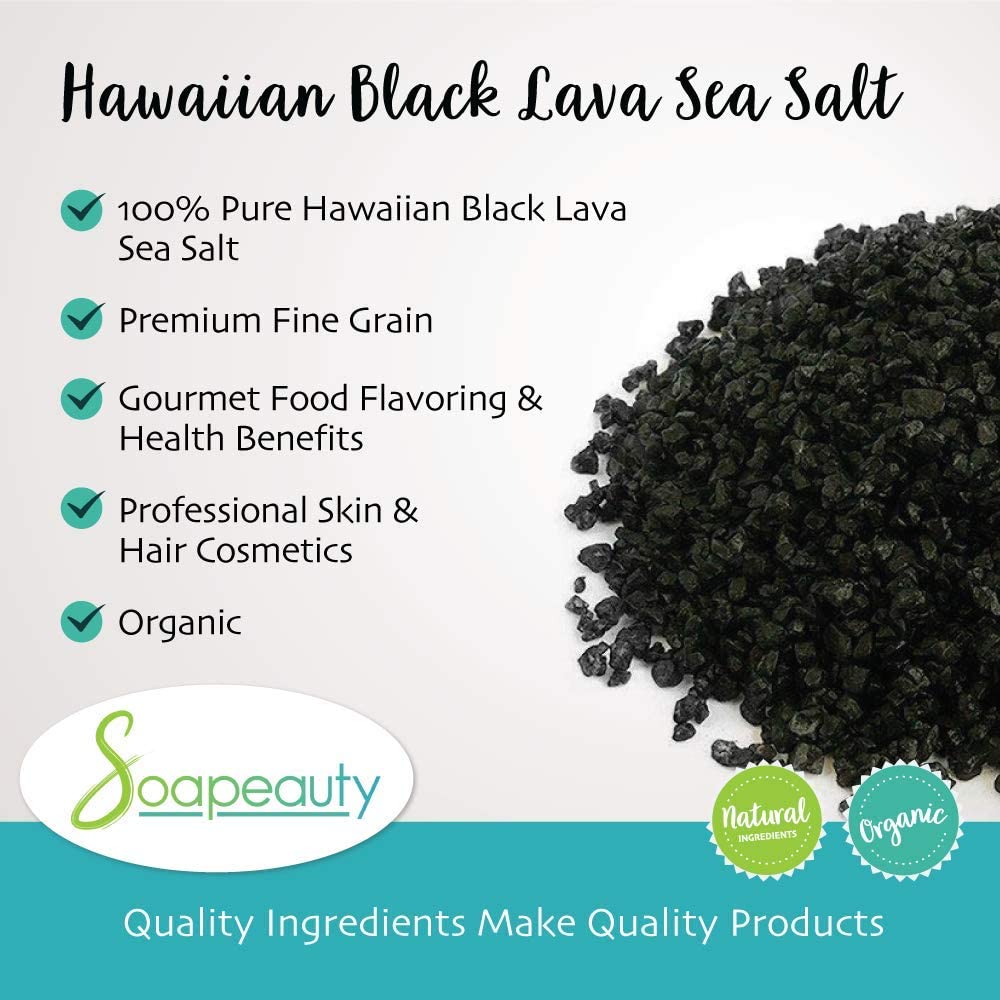
Black salt of Hawaii, or Black Lava Salt, is not actually a different type of salt from its counterparts in Cipro or India. It’s still sea salt that’s been processed to give it a distinctive black color. The addition of carbonized vegetable matter gives the salt its characteristic dark hue.
The Similarities with Sale Rosso delle Hawaii
While the Black Lava Salt has some unique properties, it’s worth noting that there’s another type of Hawaiian salt – Saline di Hawaii rosso (or red salt). This salt is known for its reddish color and rich flavor, which comes from the high iron content in the volcanic soil used to produce it.
Unlike the Black Lava Salt, the Saline di Hawaii rosso has a positive reputation. It’s often considered a more natural alternative to other types of salt due to its artisanal production process.
Where is Molokai and Why is it Special?
Molokai is an island in the Hawaiian archipelago that’s known for its rural landscape and traditional way of life. On this island, you can find artisanal producers creating high-quality, hand-harvested salt from the Pacific Ocean.
The production process on Molokai is rigorous and labor-intensive, which results in a higher-quality product. The Saline di Hawaii rosso and the Black Lava Salt are both highly regarded for their unique flavors and textures, making them popular among chefs and home cooks alike.
Properties of Black Salt of Hawaii
So, what makes the black salt of Hawaii so special? Its unique properties include:
• Potent absorbers: The addition of carbonized vegetable matter gives the salt its powerful absorbing properties. These can help alleviate digestive issues such as bloating and gas.
• Gentle disintoxifiers: As a natural disinfectant, the black salt is said to aid in detoxifying the body after exposure to toxins or pollutants.
Key Differences between Black Salt of Hawaii and Other Types
The black salt of Hawaii is often confused with other types of salt. Here are some key differences:
• Color: The color of the black salt differs from that of the Indian Kala Namak (or Birae nun). While both have a dark hue, the Indian salt has a distinct purple tint due to its volcanic origin.
• Savory flavor: Unlike other types of salt, the Black Lava Salt is often described as having a savory, slightly bitter taste. This makes it an excellent choice for adding depth to dishes without overpowering flavors.
How to Use Your Black Salt
The black salt of Hawaii can be used in various ways:
• Seasoning: Add it to your favorite recipes for added flavor and nutrients.
• Guarnizione: Sprinkle the salt over salads, meats, or other dishes for a decorative touch.
• Medicinal uses: As mentioned earlier, the carbonized vegetable matter has absorbing properties that can help alleviate digestive issues.
The Indian Black Salt – Kala Namak
Now, let’s explore another type of black salt – Kala Namak (or Birae nun). While this salt is also known as “Indian Black Salt,” it’s not actually from India. Instead, its name refers to the dark color that makes it look like volcanic rock.
The Kala Namak has a distinct flavor profile, often described as being similar to sulfur or egg yolks. This might make it less appealing to some, but it also has several health benefits due to its high levels of minerals such as iron and zinc.
Where to Buy Black Salt
So, where can you find this unique black salt? Unlike the more common sea salts found in stores, the Kala Namak is harder to come by. However, there are ways to get your hands on it:
• Online sales: You can purchase small quantities of Kala Namak online through various retailers or websites.
• Specialty stores: Some health food stores and gourmet markets carry this type of salt.
Nutritional Benefits of Black Salt
Black salt is a rich source of minerals, including:
• Iron: This essential mineral helps regulate blood flow and oxygen delivery to the body’s cells.
• Zinc: A crucial element for immune function, wound healing, and protein synthesis.
• Potassium: Helps regulate fluid balance in the body and maintain healthy blood pressure.
Medicinal Uses of Black Salt
As mentioned earlier, black salt has several medicinal properties. Some potential benefits include:
• Digestive aid: The carbonized vegetable matter can help alleviate digestive issues such as bloating and gas.
• Disinfectant: As a natural disinfectant, the black salt can be used to clean surfaces and promote healing in wounds.
Comparison of Black Salt with Other Types
To put things into perspective, let’s compare the properties of black salt with other types of salt:
| Type of Salt | Color | Flavor Profile | Nutritional Content |
|---|---|---|---|
| Black Lava Salt | Dark brown | Savory, slightly bitter | Rich in minerals such as iron and zinc |
| Kala Namak (Indian Black Salt) | Purple-black | Sulfur-like or egg yolk-like | High levels of minerals such as iron and zinc |
| Himalayan Pink Salt | Light pink | Sweet, subtle | Rich in minerals such as iron and potassium |
Conclusion
In conclusion, the black salt of Hawaii is more than just a novelty – it has unique properties that make it valuable for both culinary purposes and health benefits. Whether you’re looking to add depth to your recipes or alleviate digestive issues, there’s no denying the importance of using high-quality salts in cooking.
Here are some frequently asked questions about the Black Salt:
FAQs
- What is the difference between black salt of Hawaii and Indian Kala Namak?
The main distinction lies in their color and flavor profiles – both have a distinct dark hue, but they differ in taste and mineral content. - Why does the black salt of Hawaii contain carbonized vegetable matter?
This process gives the salt its characteristic dark color and adds to its nutritional value. - Is black salt safe for consumption?
Yes, as long as it’s produced through proper methods and is free from contaminants, black salt can be a healthy addition to your diet. - What is the difference between Saline di Hawaii rosso (red salt) and Black Lava Salt?
While both are artisanal products, the red salt has a reddish hue due to its high iron content, whereas the black salt is colored by carbonized vegetable matter. - Can I substitute black salt for regular salt in cooking?
While it’s possible, using regular salt will lack the unique flavor and nutritional benefits of black salt.
Culinary Uses
The black salt of Hawaii can be used in a variety of dishes:
• Seafood: Use black salt to add depth and complexity to seafood recipes.
• Vegetarian dishes: Add a pinch of black salt to vegetarian dishes for added flavor and nutrition.
• Salad dressings: Mix black salt with olive oil, lemon juice, and herbs to create a unique salad dressing.
Tips for Using Black Salt
When using black salt, keep the following tips in mind:
• Use sparingly: Start with small amounts and adjust to taste, as the flavor can be intense.
• Pair with other ingredients: Combine black salt with other ingredients such as garlic, ginger, or chili peppers for added depth of flavor.
• Experiment with recipes: Try out different recipes that incorporate black salt, such as roasted vegetables or grilled meats.
Conclusion
In conclusion, black salt is a versatile and nutritious ingredient that can add depth and complexity to your cooking. Whether you’re looking to alleviate digestive issues or simply add some excitement to your recipes, black salt of Hawaii is definitely worth considering.
By understanding its unique properties, uses, and differences from other types of salt, you’ll be better equipped to incorporate this amazing ingredient into your culinary repertoire. So go ahead, give black salt a try – your taste buds (and digestive system) will thank you!


