
The Dark Side of Clean Energy: China and the EU’s New Partnership
As we discuss emissions, the European sovereign debt crisis takes on a new light. The European Union is investing up to €25 million in China for three carbon credit swap programs. This strategy comes at a time when tensions between Europe and China in the solar sector are intensifying.
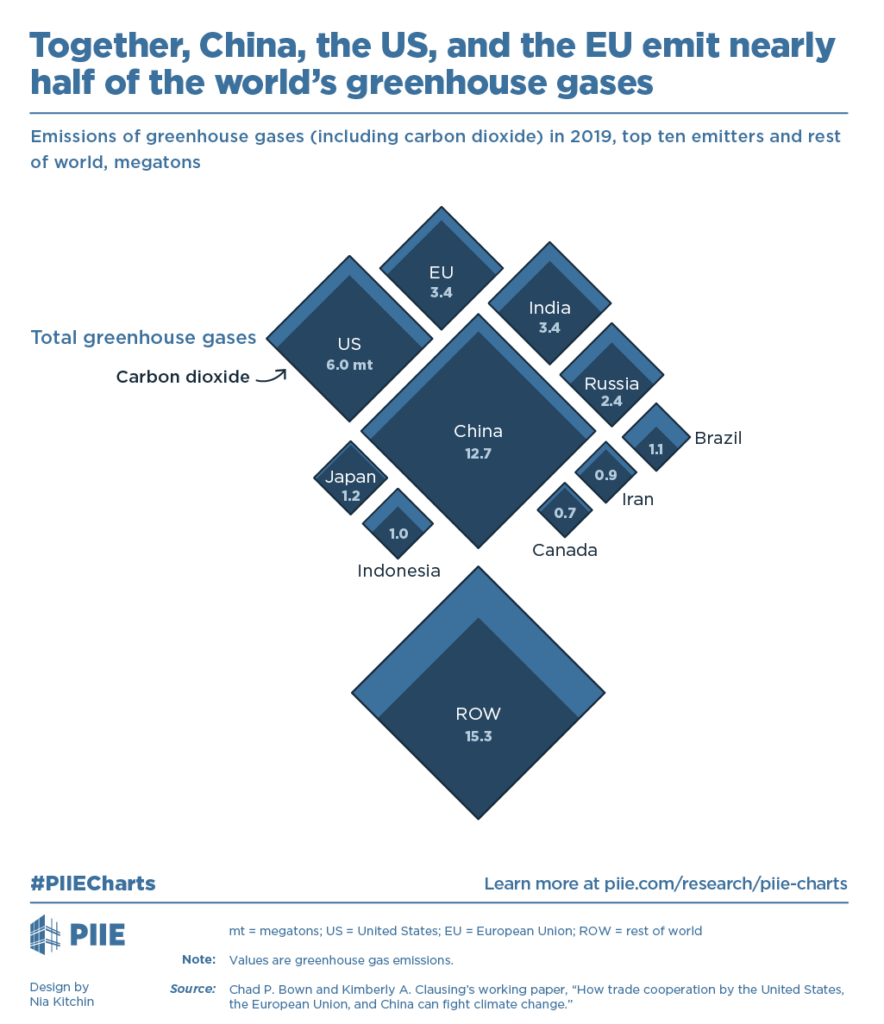
Some British analyses suggest that China is misleading about its real CO2 emissions. Despite this, China remains the world’s largest emitter of carbon dioxide. With this investment, the EU will provide technical assistance for three programs aimed at making China more sustainable within four years. The agreement between Europe and China will also help develop a carbon trading market in Beijing, while the EU will aid Chinese cities in improving resource usage to limit the use of heavy metals polluting groundwater aquifers. Moreover, there are European projects that aim to make China’s waste management systems more sustainable.
The EU’s Quest for Sustainability
So what does Europe gain from this partnership? The agreement includes a European consulting role in China’s rapid urbanization process. Many European companies are keenly interested in the structural changes involving around 15 million Chinese people each year. Furthermore, the EU has decided to impose a flight tax on all airlines that fly over its territory. As a result, foreign companies (USA, China, Australia) flying through Europe may have to pay an emission-related tax of up to 15%.
For Europe, China is becoming increasingly important as a partner. Not only economically but also in terms of human rights concerns. China is a major investor in European debt but when it comes to human rights issues, the EU risks entering uncharted territory.
The Dark Side of Clean Energy
Is this partnership truly sustainable? As we delve deeper into the complexities of clean energy, we must consider both the challenges and opportunities that arise.
The Great Debate: Emissions vs. Sustainability
In today’s climate, it’s easy to get caught up in the debate between emissions and sustainability. While reducing emissions is crucial, sustainability encompasses more than just environmental concerns. It also involves economic and social factors.
For instance, a study by the University of California found that sustainable development goals (SDGs) can lead to improved health outcomes, reduced poverty, and increased economic growth. However, achieving these goals requires a holistic approach that considers the interplay between environmental protection, social justice, and economic development.
The China Factor: Understanding CO2 Emissions
China remains a major player in the global CO2 emissions game. With its massive population and industrial growth, China’s carbon footprint continues to grow. However, this doesn’t necessarily mean that China is committed to reducing its emissions.
In fact, China has been increasing its greenhouse gas emissions over the past few decades, with an average annual increase of 3% from 2000 to 2015. This trend is largely driven by the country’s rapid industrialization and urbanization, which have led to increased energy consumption and emissions.
Sustainable Development Goals: A New Era of Cooperation
The Sustainable Development Goals (SDGs) aim to balance economic growth with environmental protection. The EU-China partnership can be seen as a step towards achieving these goals. By working together, we can create a more sustainable future for all.
The SDGs provide a framework for countries to work together towards achieving global development targets. In the context of clean energy and climate change, the SDGs offer a clear direction for cooperation between countries like China and Europe.
EU’s Strategy: Clean Energy and Climate Action
The European Union has set ambitious targets for reducing greenhouse gas emissions. The EU-China partnership is an essential part of this strategy, aiming to promote clean energy and mitigate climate change.
To achieve these targets, the EU aims to increase the share of renewable energy in its energy mix from 27% by 2030 to at least 32%. This can be achieved through investments in solar, wind, and other forms of renewable energy.
Challenges Ahead: Ensuring Transparency
However, ensuring transparency in international partnerships like the one between Europe and China is crucial. Without it, we risk losing trust and undermining our efforts to address global challenges.
Transparency is essential for several reasons. Firstly, it allows countries to track progress towards their development targets and make adjustments as needed. Secondly, it enables civil society organizations and other stakeholders to hold governments accountable for their actions.
Conclusion: A New Era of Clean Energy Cooperation
In conclusion, the partnership between Europe and China represents a new era of clean energy cooperation. While there are challenges ahead, this collaboration has the potential to drive progress in reducing emissions and promoting sustainable development.
As we move forward, it is essential that countries like China and Europe prioritize transparency, accountability, and sustainability. By working together towards common goals, we can create a more sustainable future for all.
Frequently Asked Questions (FAQs)
- What is the EU’s investment in China for carbon credit swap programs?
The European Union is investing up to €25 million in China for three carbon credit swap programs aimed at making China more sustainable within four years.
- Why is this partnership important for Europe?
This partnership provides an opportunity for European companies to tap into China’s massive market, particularly in the solar sector. It also enables the EU to share its expertise and experience with China, helping to promote sustainable development.
- What are the concerns about human rights in China?
There are concerns that China’s rapid urbanization and industrial growth may lead to significant environmental degradation and human rights issues. The EU risks entering uncharted territory when dealing with these issues.
- How will the EU-China partnership impact carbon emissions?
The partnership aims to promote clean energy and reduce greenhouse gas emissions, making it a crucial step towards mitigating climate change.
- What are the Sustainable Development Goals (SDGs) and how do they relate to this partnership?
The SDGs aim to balance economic growth with environmental protection. The EU-China partnership can be seen as a step towards achieving these goals by promoting sustainable development and reducing emissions.
- Why is transparency essential in international partnerships like the EU-China partnership?
Ensuring transparency in international partnerships is crucial for building trust and holding governments accountable for their actions. It also enables countries to track progress towards their development targets and make adjustments as needed.
- What are some of the European projects aimed at making China’s waste management systems more sustainable?
There are several European projects that aim to make China’s waste management systems more sustainable, including improving resource usage and reducing heavy metal pollution in groundwater aquifers.
- How will the EU impose a flight tax on airlines flying over its territory?
The EU will impose a flight tax of up to 15% on airlines that fly over its territory, aiming to reduce emissions from aviation.


