
As we navigate the complexities of modern life, it’s easy to get caught up in stress and anxiety. One technique that has gained popularity in recent years is hand reflexology, a form of massage that targets specific points on the hands believed to be connected to various parts of the body. But does this technique really live up to its promises? In this article, we’ll delve into the science behind hand reflexology, exploring its benefits and limitations.
What is Hand Reflexology?
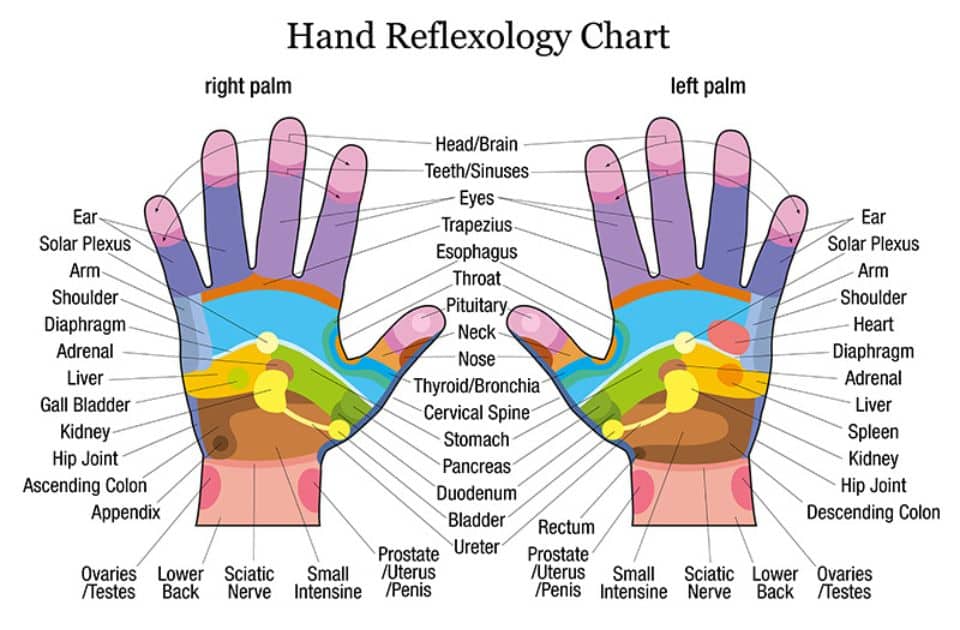
Hand reflexology involves applying specific pressure to certain points on the hands, known as “reflexes,” which are believed to correspond to various organs and systems in the body. The idea is that by stimulating these reflexes, you can alleviate symptoms in other areas of the body.
While research is still limited, some studies suggest that hand reflexology may have a positive impact on anxiety, constipation, and headaches. For example, one study found that participants who received hand reflexology experienced reduced anxiety before undergoing an angiogram (a non-invasive procedure to diagnose heart conditions).
The Science Behind Hand Reflexology
So, how does hand reflexology work? The theory is based on the concept of reflexology, which suggests that certain points on the body are connected to specific organs and systems. By applying pressure to these points, you can stimulate the corresponding organs and promote relaxation.
However, it’s essential to note that the scientific evidence supporting hand reflexology is limited and inconclusive. Many studies have methodological flaws, small sample sizes, or conflicting results, making it challenging to draw firm conclusions about its effectiveness.
Hand Reflexology and Anxiety
One area where hand reflexology has shown promise is in reducing anxiety. A 2017 study found that participants who received hand reflexology before undergoing an angiogram experienced reduced anxiety compared to those who didn’t receive the treatment.
To alleviate anxiety, try applying pressure to the point located just below the wrist crease on your dominant hand. Massage this area for one minute, then repeat on your non-dominant hand. This technique can help stimulate the vagus nerve, which is responsible for regulating the body’s response to stress and anxiety.
Hand Reflexology and Constipation
Constipation is another condition where hand reflexology may offer benefits. A 2010 study found that 94% of participants reported reduced symptoms after six weeks of receiving hand reflexology. While the study had a small sample size, it suggests that hand reflexology may be beneficial for addressing constipation-related issues.
To alleviate constipation, try applying pressure to the point located between your thumb and index finger on your dominant hand. Massage this area for one minute, then repeat on your non-dominant hand. This technique can help stimulate the abdominal organs, which are believed to play a role in bowel function.
Hand Reflexology and Headaches
Headaches are another condition where hand reflexology has shown promise. A 2015 review of existing studies found that hand reflexology had a positive effect on headaches, with over half of participants experiencing reduced symptoms after six months of treatment.
To alleviate headaches, try applying pressure to the point located between your thumb and index finger on your dominant hand, as described above. You can also try massaging the area just below the wrist crease. This technique can help stimulate blood flow and relax tense muscles in the neck and scalp, which are common areas of tension that contribute to headaches.
The Role of Acupressure Points
Acupressure points are specific locations on the body that are believed to correspond to various organs and systems. Hand reflexology involves applying pressure to these acupressure points to stimulate the corresponding organs and promote relaxation.
There are several key acupressure points on the hands, including:
- The solar plexus point (located between the thumb and index finger): This point is believed to correspond to the digestive system.
- The thyroid gland point (located just below the wrist crease): This point is believed to correspond to the endocrine system.
- The gallbladder point (located on the outside of the hand, near the base of the thumb): This point is believed to correspond to the liver and gallbladder.
The Role of Neurotransmitters
Neurotransmitters are chemicals that transmit signals between nerve cells. Hand reflexology involves stimulating the release of neurotransmitters, such as serotonin and dopamine, which play a role in regulating mood, appetite, and pain perception.
Research suggests that hand reflexology may have a positive impact on the levels of these neurotransmitters, leading to reduced symptoms of anxiety, depression, and headaches.
The Role of Relaxation Response
The relaxation response is a state of deep relaxation characterized by decreased heart rate, blood pressure, and muscle tension. Hand reflexology involves stimulating the release of endorphins, which are natural painkillers that promote feelings of relaxation and well-being.
Research suggests that hand reflexology may have a positive impact on the relaxation response, leading to reduced symptoms of anxiety and stress.
The Role of Mind-Body Connection
Hand reflexology involves a mind-body connection, where the brain plays a role in regulating the body’s response to stimulation. Research suggests that this type of massage therapy can stimulate the release of endorphins, oxytocin, and other neurotransmitters that promote feelings of relaxation and well-being.
Finding a Qualified Reflexologist
While it’s possible to practice hand reflexology at home, working with a qualified reflexologist is recommended. Look for someone who has received proper training in reflexology and can tailor their treatment to your specific needs.
A qualified reflexologist will use a combination of techniques, including massage, pressure, and manipulation, to stimulate the acupressure points on your hands. They will also work with you to create a personalized treatment plan that addresses your unique needs and goals.
Safety Considerations
As with any form of massage or therapy, there are safety considerations to be aware of. Certain individuals should avoid hand reflexology, including:
- Pregnant women (especially during the first trimester)
- People with circulatory problems
- Those with open wounds or infections
- Individuals with epilepsy
- People with a history of coagulopathy
It’s essential to consult with your healthcare provider before starting hand reflexology, especially if you have any underlying medical conditions.
Conclusion
Hand reflexology is a technique that has gained popularity in recent years, but its effectiveness remains largely anecdotal. While some studies suggest benefits for anxiety, constipation, and headaches, the scientific evidence is limited and inconclusive.
If you’re considering trying hand reflexology, be sure to find a qualified practitioner who can tailor their treatment to your specific needs. Always consult with your healthcare provider before starting any new therapy or treatment, especially if you have underlying medical conditions.
Frequently Asked Questions
Q: Is hand reflexology safe?
A: Generally, yes. However, certain individuals should avoid it due to safety concerns.
Q: Can I practice hand reflexology at home?
A: Yes, but working with a qualified reflexologist is recommended for optimal results and personalized attention.
Q: How often can I receive hand reflexology treatments?
A: Frequency depends on individual needs and goals. Typically, treatments are performed once or twice a week.
Q: What is the most effective way to reduce anxiety using hand reflexology?
A: Apply pressure to the point located just below the wrist crease on your dominant hand for one minute, then repeat on your non-dominant hand.
Q: Can I use hand reflexology as a replacement for medical treatment?
A: No. Hand reflexology is not a substitute for conventional medical treatment. Consult with your healthcare provider before starting any new therapy or treatment.
Q: How long does it take to see results from hand reflexology?
A: Results can vary depending on individual needs and goals. Typically, noticeable benefits occur after several treatments.
Q: Can I use hand reflexology to alleviate pain?
A: Yes, but the effectiveness depends on the specific type of pain and underlying condition. Consult with a qualified reflexologist or healthcare provider for guidance.


