
Introduction
When it comes to cats, many of us are familiar with the soft, fluffy coats that come in a variety of colors and patterns. But for those who prefer a more unique feline companion, there’s a lesser-known group of hairless cats that may pique your interest.
In this article, we’ll delve into the world of hairless cats, exploring their characteristics, benefits, and drawbacks. Whether you’re a seasoned cat owner or simply curious about these unusual animals, you’ll find plenty to learn from our in-depth look at this fascinating group of felines.
The Allure of Hairless Cats
So, what draws people to hairless cats? For some, it’s the unique appearance that sets them apart from more conventional felines. For others, it may be the lower maintenance required for their coats – no need to brush or groom those silky locks! But beyond aesthetics and practicality, there are some intriguing benefits to owning a hairless cat.
Myths and Misconceptions
Before we dive deeper into the world of hairless cats, let’s dispel some common myths. Do you believe that these felines are automatically hypoallergenic? Think again – while they may produce fewer allergens than their fluffy counterparts, they’re not a cure-all for allergies.
In fact, if you’re allergic to cat dander (the main culprit behind allergies), it’s unlikely that a hairless cat will alleviate your symptoms entirely. The good news is that some breeds are more allergy-friendly than others – we’ll explore those in more detail later on.
Meet the Hairless Cat Breeds
There are several breeds of hairless cats, each with its unique characteristics and traits. Let’s take a closer look at four of the most popular:
Kohona: The Ultimate Barecat
The Kohona is one of the rarest and most extreme examples of a hairless cat breed. With no follicles to speak of, these cats have skin that’s often described as resembling candle wax. While they’re certainly striking, the Kohona’s unique appearance comes at a price – namely, its hefty price tag.
Sphynx: The Velvety Soft Cat
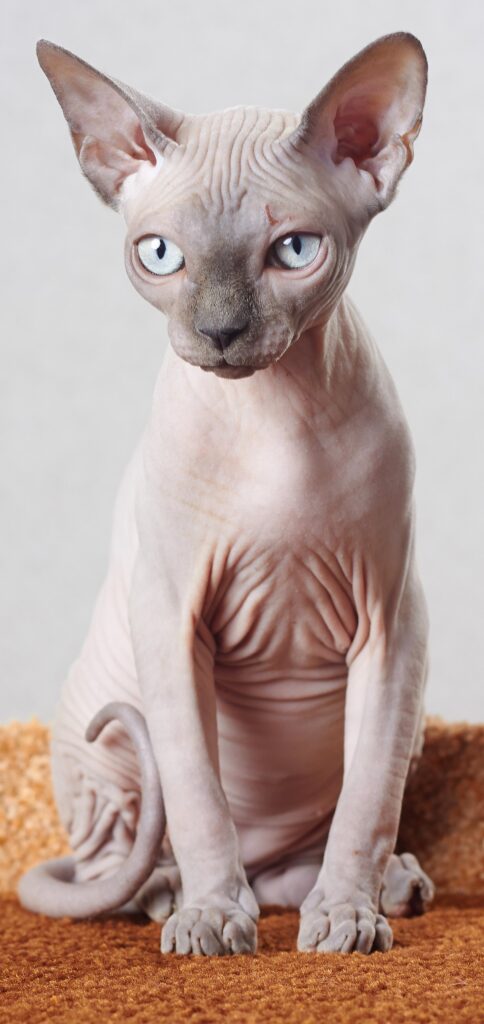
The Sphynx is one of the most recognizable hairless cat breeds, with their sleek, wrinkled skin and oversized ears. When you run your hand over their velvety soft coat (yes, they have a coat – it’s just very fine!), you’ll feel like you’re touching a peach.
Peterbald: The Vellutated Beauty
The Peterbald is another breed that boasts a unique appearance, with their distinctive head shape and green or blue eyes. They often have a subtle covering of fine hair (think of it as a velvet coat), which adds to their allure.
Donskoy: The Muscular Marvel
Last but certainly not least, there’s the Donskoy – a breed known for its muscular build and striking appearance. With their prominent muzzles, rounded ears, and long, thin paws, these cats are sure to turn heads.
The Downsides of Hairless Cats
While hairless cats may seem like a dream come true (especially for those with allergies), there are some significant drawbacks to consider:
- Higher costs: These felines require specialized care and attention, which can drive up their price tag.
- Skin problems: Without fur to protect them, hairless cats can be more prone to skin irritations and sunburns.
- Increased risk of injury: Those delicate skin folds can be a recipe for disaster – especially if your cat gets into a fight or slips on a slippery surface.
Skin Care for Hairless Cats
To keep their sensitive skin healthy and thriving, hairless cats require regular grooming. Here are some tips:
- Bathing: Bathe your hairless cat as needed – usually every 2-3 months – depending on their individual skin type and lifestyle.
- Moisturizing: Use a gentle, fragrance-free moisturizer to keep their skin hydrated and protected from the elements.
- Trimming: Trim your hairless cat’s nails regularly to prevent overgrowth, which can cause discomfort and pain.
Nutrition for Hairless Cats
Hairless cats have unique nutritional needs due to their lack of fur. Here are some tips:
- High-quality diet: Feed your hairless cat a high-quality, balanced diet that meets their nutritional needs.
- Omega-3 fatty acids: Add omega-3 fatty acids to your cat’s diet to support skin health and reduce inflammation.
Conclusion
Hairless cats may not be for everyone, but they’re certainly an intriguing option for those willing to take on the unique challenges and rewards that come with owning one. Whether you’re a seasoned cat lover or simply curious about these unusual animals, we hope this article has given you a better understanding of what it takes to care for a hairless feline friend.
Frequently Asked Questions
Q: Are all hairless cats hypoallergenic?
A: No – while they may produce fewer allergens than fluffy cats, they’re not a cure-all for allergies.
Q: Can I get an allergy test done on my hairless cat?
A: It’s possible to have your cat tested for allergies, but it’s essential to consult with a veterinarian to determine the best course of action.
Q: How often should I bathe my hairless cat?
A: Bathe your hairless cat as needed – usually every 2-3 months – depending on their individual skin type and lifestyle.
Q: What kind of food is best for my hairless cat?
A: Feed your hairless cat a high-quality, balanced diet that meets their nutritional needs. Consult with a veterinarian to determine the best food for your feline friend.
Q: Can I get my hairless cat tattooed or pierced?
A: Consult with a veterinarian before getting any piercings or tattoos on your hairless cat – they may have sensitive skin and require special care.
Q: How often should I trim my hairless cat’s nails?
A: Trim your hairless cat’s nails regularly to prevent overgrowth, which can cause discomfort and pain.
Q: Can I take my hairless cat swimming?
A: It depends on your cat’s individual personality – consult with a veterinarian before taking your hairless cat for a swim.


