
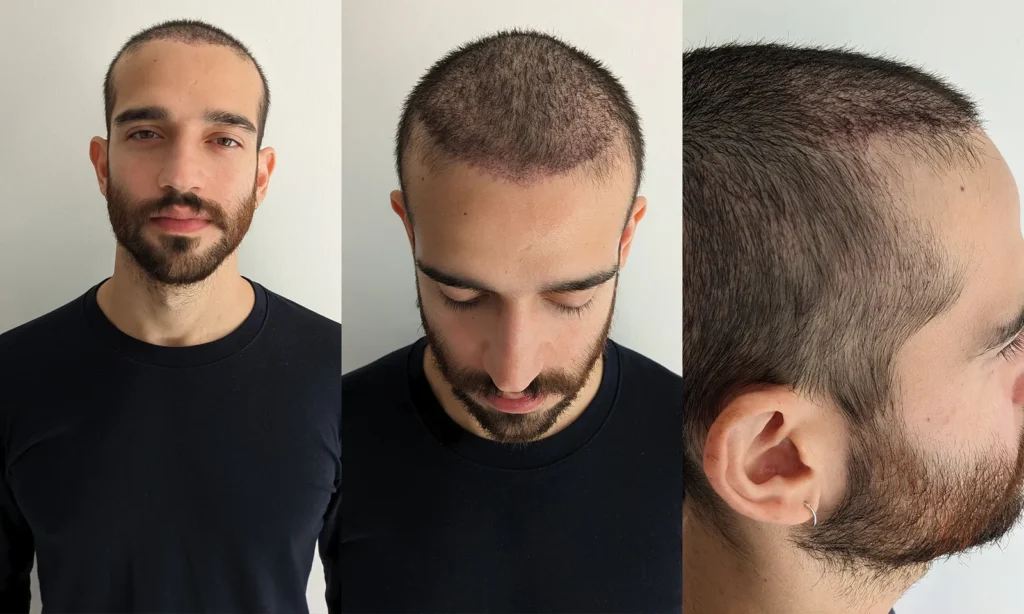
The decision to undergo a hair transplant is not one to be taken lightly. It requires careful consideration and thorough analysis of your situation. In this article, we will guide you through the process of hair transplantation, taking into account the expertise of the Istituto Helvetico Sanders, one of the most reputable and experienced institutions in the field.
Understanding Hair Transplant
A hair transplant is a surgical procedure designed to improve the aesthetic appearance of an individual, restoring confidence and self-esteem. It can be performed on patients who have experienced significant hair loss or thinning, as well as those who have lost a large portion of their hair due to disease, trauma, or other factors.
Hair transplantation involves moving healthy hair follicles from the donor area (usually located at the back and sides of the head) to the recipient area (the balding or thinning areas). The transplanted hair will grow naturally, allowing you to achieve a fuller head of hair. This procedure is considered safe and effective for individuals who have experienced significant hair loss due to various factors such as:
- Genetics: Hereditary hair loss can be a major concern, especially if it runs in your family.
- Aging: As we age, our hair follicles begin to slow down, leading to thinner and shorter hair.
- Medical conditions: Certain medical conditions, such as alopecia areata or autoimmune disorders, can cause significant hair loss.
- Trauma: Hair loss due to injury, burns, or other forms of trauma can be a major concern.
Why Undergo a Hair Transplant?
The decision to undergo a hair transplant is driven by the need to address aesthetic concerns and restore one’s self-image. The procedure can help individuals achieve a fuller head of hair, which can be particularly beneficial for those who have experienced significant hair loss due to age, genetics, or other factors.
Some common reasons people choose to undergo a hair transplant include:
- Restoring confidence: A hair transplant can help you feel more confident and self-assured, especially if you have experienced significant hair loss.
- Improving self-esteem: Achieving a fuller head of hair can boost your self-esteem and overall well-being.
- Enhancing appearance: Hair transplantation can enhance your appearance and make you look younger and more attractive.
Preparing for Hair Transplantation
Before undergoing a hair transplant, it is essential to consult with a qualified healthcare professional to determine the best course of action. This typically involves a comprehensive evaluation of your scalp and a thorough analysis of the underlying cause of your hair loss. In some cases, an autotransplant may be recommended, where the patient’s own hair is used for transplantation.
During your consultation, your healthcare provider will assess:
- Scalp health: Your healthcare provider will evaluate the condition of your scalp to determine if it can support a hair transplant.
- Hair loss pattern: Your healthcare provider will examine the pattern of hair loss on your scalp to determine the best approach for transplantation.
- Donor area health: The donor area, where the healthy hair follicles are located, must be healthy and strong enough to withstand the procedure.
It is also crucial to select a reputable and experienced healthcare provider who can provide personalized guidance and support throughout the process. This may involve researching potential clinics or surgeons and scheduling consultations to discuss your individual needs and concerns.
The Hair Transplant Process
The success of a hair transplant depends on various factors, including the extent of hair loss, the health of the donor area, and the skill of the surgeon. To achieve optimal results, it is essential to work with an experienced healthcare provider who can guide you through the process and address any concerns or questions you may have.
The hair transplant process typically involves several stages:
- Consultation: Your healthcare provider will assess your scalp and discuss the best approach for transplantation.
- Preparation: You will be given sedation and anticoagulant medication to minimize discomfort during the procedure.
- Harvesting: The surgeon will harvest healthy hair follicles from the donor area using a specialized technique called strip harvesting or follicular unit extraction (FUE).
- Recipient site creation: The recipient sites, where the transplanted hair will be placed, are created using a specialized tool.
- Transplantation: The transplanted hair is carefully placed into the recipient sites.
- Post-operative care: You will be provided with post-operative instructions to ensure optimal healing and minimize complications.
Common Methods of Hair Transplantation
There are several methods of hair transplantation, each with its own advantages and disadvantages:
- Strip harvesting: This method involves removing a strip of skin from the donor area and extracting individual follicular units.
- Follicular unit extraction (FUE): This method involves extracting individual follicular units directly from the donor area using a specialized tool.
- Robotic hair transplantation: This method uses a robotic system to facilitate the transplants, allowing for greater precision and accuracy.
Post-Transplant Care
After a hair transplant, it is essential to follow post-operative instructions carefully to ensure optimal healing and minimize complications. This typically involves:
- Avoiding strenuous activities: You should avoid strenuous activities such as exercise or heavy lifting for at least two weeks.
- Using medicated shampoos: Your healthcare provider will provide you with medicated shampoos to promote healthy hair growth and prevent infection.
- Attending regular check-ups: Regular follow-up appointments with your healthcare provider are essential to monitor the progress of your transplanted hair.
In addition to these general guidelines, it’s also important to know when you can resume physical activity after a hair transplant. While the exact timeline may vary depending on individual circumstances, most patients can begin exercising again within 10-20 days after the procedure.
Common Questions
Here are some frequently asked questions about hair transplantation:
- Q: How long does it take to recover from a hair transplant?
A: Recovery time varies depending on individual factors, but most patients can resume their normal activities within 5-7 days. Full recovery typically takes 6-12 months. - Q: Can I exercise after a hair transplant?
A: Yes, most patients can resume physical activity within 10-20 days after the procedure, but it’s essential to follow post-operative instructions carefully and avoid strenuous activities for at least two weeks. - Q: How long does a hair transplant take?
A: The duration of a hair transplant varies depending on the complexity of the procedure, the amount of hair being transplanted, and the individual patient’s needs. On average, a hair transplant can take anywhere from 4-12 hours to complete. - Q: Are there any risks associated with hair transplantation?
A: While rare, potential complications from hair transplantation may include infection, scarring, and graft rejection. It’s essential to work with an experienced healthcare provider who can minimize these risks and provide personalized guidance throughout the process. - Q: Can I still get a hair transplant if I have a medical condition?
A: In some cases, certain medical conditions may affect your eligibility for hair transplantation or require special precautions during the procedure. It’s essential to discuss your individual situation with your healthcare provider before undergoing a hair transplant.
By understanding the process of hair transplantation and being aware of the potential risks and benefits, you can make an informed decision about whether this procedure is right for you. Consult with a qualified healthcare professional to determine the best course of action for your unique needs and concerns.


