
Choosing the Right Curling Tongs for Your Hair: A Comprehensive Guide
As the name suggests, curling tongs have the task of curling our hair if we wish and if we don’t already have it. With good quality equipment, you can pursue your desires without ruining your hair’s health. In this article, we will explore the different types of curling irons and thermal rollers available in the market, and provide guidance on how to choose the right one for your needs.
Understanding Curling Irons
Curling irons come in two main categories: brush and iron, and brush with a real brush. The first type is called thermal brushes, which consist of a surface material that can be heated to roll up locks and create curls. These devices have various models with different iron shapes, such as smooth, double or triple wave, and spiral. Most of these devices use ceramic irons, which provide uniform heat distribution.
The second type of curling iron has a real brush that can be flat or round. This brush curls the hair by emitting a warm air flow. It is usually used on wet or damp hair, but some advanced models allow for temperature and air flow regulation. Curling irons are not difficult to use and offer the freedom to treat your hair as you want.
Choosing the Right Curling Iron
When buying a curling iron, there are several factors to consider. These include:
- Materials: Look for ceramic or other heat-conductive materials that can distribute heat evenly.
- Temperature control: Ensure that the temperature is adjustable to prevent overheating, especially if you have thin or fragile hair.
- Additional features: Consider extra functions such as adjustable iron diameter to achieve different curl types.
Thermal Rollers: A Alternative to Curling Irons
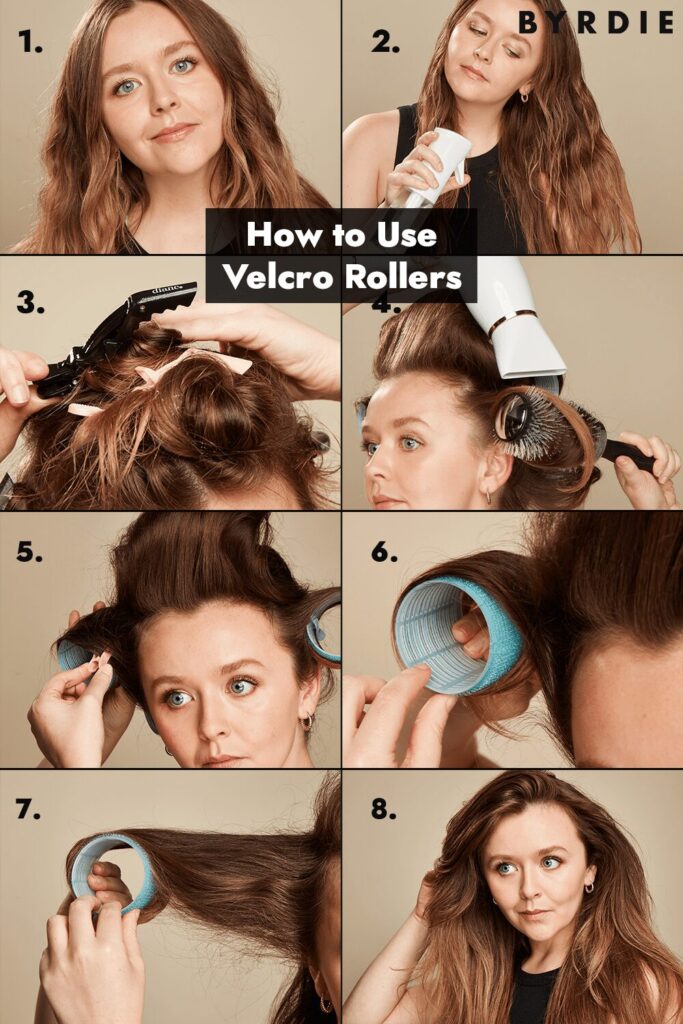
If you’re looking for a more low-maintenance option, thermal rollers may be the way to go. These rollers use heat to set curls in place and can be used with wet or dry hair. They work by attaching to the socket and waiting for the right temperature before applying them to your hair.
Key Considerations
When using either curling irons or thermal rollers, it’s essential to keep the following points in mind:
- Hair type: Choose a device that suits your hair type, whether it’s curly, straight, or wavy.
- Temperature control: Be cautious when handling heat tools to avoid damaging your hair.
- Maintenance: Use protection sprays and follow manufacturer guidelines for regular cleaning.
Benefits of Using Curling Tongs
- Professional-looking curls: With good quality equipment, you can achieve professional-looking curls at home without the need for expensive salon visits.
- Flexibility: Curling irons offer the freedom to treat your hair as you want, allowing you to experiment with different curl types and techniques.
- Time-saving: Using a curling iron or thermal roller can save time in the morning, especially if you’re short on time.
Precautions When Using Heat Tools
- Temperature control: Be cautious when handling heat tools to avoid damaging your hair. Use a lower temperature for fine or damaged hair.
- Protective measures: Use protection sprays and follow manufacturer guidelines for regular cleaning to prevent damage to the tool itself.
- Avoid overheating: Avoid overheating your hair, especially if you have thin or fragile locks.
Best Practices for Curling Iron Safety
- Use a heat protectant spray: Apply a heat protectant spray before curling to help shield your hair from heat damage.
- Choose the right temperature: Select a temperature that suits your hair type and avoid overheating, especially if you have fine or damaged locks.
- Avoid touching hot surfaces: Always use a cool touch to handle the curling iron, as hot surfaces can cause burns.
Common Mistakes to Avoid When Using Curling Irons
- Using high temperatures on fine hair: Fine or fragile hair can be easily damaged by high temperatures. Use a lower temperature for these types of locks.
- Not using heat protectant sprays: Failure to use a heat protectant spray before curling can lead to damage and dryness.
- Forcing curls: Forcing curls can cause damage, especially if you have fragile or damaged hair.
Alternatives to Curling Irons
If you’re looking for a more low-maintenance option, thermal rollers may be the way to go. These rollers use heat to set curls in place and can be used with wet or dry hair. They work by attaching to the socket and waiting for the right temperature before applying them to your hair.
How to Choose the Right Curling Iron
When buying a curling iron, there are several factors to consider. These include:
- Hair type: Choose a device that suits your hair type, whether it’s curly, straight, or wavy.
- Temperature control: Ensure that the temperature is adjustable to prevent overheating, especially if you have thin or fragile hair.
- Additional features: Consider extra functions such as adjustable iron diameter to achieve different curl types.
How Often Should I Clean My Curling Iron?
- After each use: Follow manufacturer guidelines for regular cleaning after each use to prevent damage and maintain performance.
- Every week: Clean your curling iron every week using a gentle cleaner and soft cloth to remove any hair or debris.
- Every month: Take your curling iron apart and clean each part thoroughly, including the plates and barrel.
Conclusion
Choosing the right curling tongs for your hair can be overwhelming with so many options available. By understanding the different types of devices, considering factors such as material, temperature control, and additional features, you can make an informed decision that suits your needs. Don’t forget to take care of your hair when using heat tools, and explore alternative methods like thermal rollers for a low-maintenance solution.
Frequently Asked Questions
- What is the best type of curling iron for curly hair?
- How do I choose the right temperature for my curling iron?
- Can I use a curling iron on dry hair?
- How often should I clean my curling iron?
- Are thermal rollers suitable for all hair types?
- Can I use a curling iron with damaged hair?
- What are some common mistakes to avoid when using a curling iron?
- How can I prevent split ends when using heat tools?
By answering these questions, you’ll have a better understanding of how to choose the right curling tongs for your hair and achieve beautiful curls without compromising your locks’ health.
By choosing the right curling tongs for your hair, you can pursue your desires without ruining your hair’s health. With good quality equipment, you can achieve professional-looking curls at home without the need for expensive salon visits. Curling irons offer the freedom to treat your hair as you want, allowing you to experiment with different curl types and techniques.
When using either curling irons or thermal rollers, it’s essential to keep the following points in mind:
- Hair type: Choose a device that suits your hair type, whether it’s curly, straight, or wavy.
- Temperature control: Be cautious when handling heat tools to avoid damaging your hair.
- Maintenance: Use protection sprays and follow manufacturer guidelines for regular cleaning.
Best Practices for Curling Iron Safety
- Use a heat protectant spray: Apply a heat protectant spray before curling to help shield your hair from heat damage.
- Choose the right temperature: Select a temperature that suits your hair type and avoid overheating, especially if you have fine or damaged locks.
- Avoid touching hot surfaces: Always use a cool touch to handle the curling iron, as hot surfaces can cause burns.
Alternatives to Curling Irons
If you’re looking for a more low-maintenance option, thermal rollers may be the way to go. These rollers use heat to set curls in place and can be used with wet or dry hair.
Conclusion
Choosing the right curling tongs for your hair can be overwhelming with so many options available. By understanding the different types of devices, considering factors such as material, temperature control, and additional features, you can make an informed decision that suits your needs. Don’t forget to take care of your hair when using heat tools, and explore alternative methods like thermal rollers for a low-maintenance solution.


