
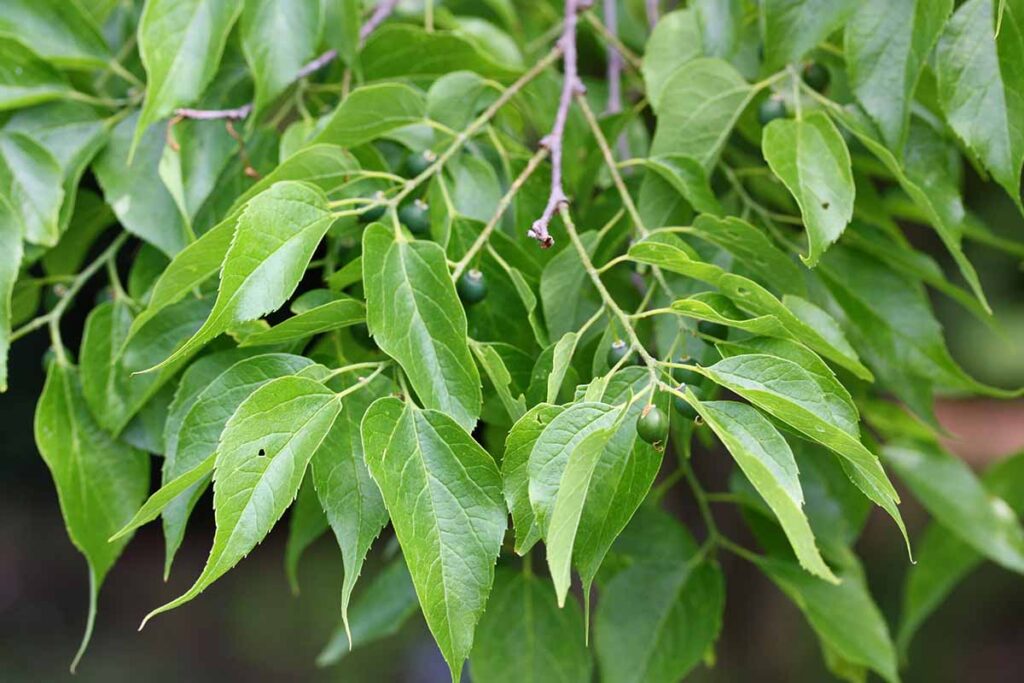
Introduction
In this article, we will delve into the world of the bagolaro, a tree species native to Australia but also found in other parts of Asia and America. This tree is also known as romiglia or spaccasassi due to its unique ability to thrive in poor soils and rocky terrain. In this article, we will explore the characteristics, cultivation, and uses of the bagolaro.
Characteristics of the Bagolaro
The bagolaro is a large tree that can grow up to 20-25 meters tall, although its average height is around 10-12 meters. Its trunk has distinct nerve patterns and robust primary branches. The canopy of the bagolaro is dense and nearly spherical in shape.
Its wood is light-colored, durable, elastic, and highly resistant to decay. The tree is known for its slow growth rate, which allows it to live for centuries. Its extensive root system enables it to survive in challenging conditions, such as rocky or soil-poor environments.
The bagolaro blooms in the early spring, typically between April and May.
Cultivating the Bagolaro
The bagolaro is a low-maintenance tree that can thrive without much care. When transplanting, attention should be paid to its roots, which can develop irregularly if not handled properly.
Optimal Exposure
The bagolaro is a robust tree that can adapt to various environments. It tolerates frost and shade but requires direct sunlight for at least several hours each day. Without proper exposure, the tree may exhibit signs of distress.
Suitable Soil
Due to its preference for poor soils, the bagolaro is often referred to as spaccasassi. This name stems from its propensity to grow in rocky substrates, calcareous soils, and nutrient-poor conditions. However, it’s essential that the soil drains well to prevent waterlogged soil.
Watering
The bagolaro does not require a lot of water. Rainfall typically satisfies its hydration needs. However, young trees may need occasional watering during periods of drought.
Pruning
Regular pruning is necessary to shape the tree’s canopy and highlight its natural growth patterns. Prune only when necessary, as excessive pruning can harm the tree.
Fertilization
Autumn is the best time to fertilize the bagolaro with organic matter. Mature compost is ideal, and it should be interrouted near the roots.
Preventing Waterlogged Soil
When fertilizing, ensure there are no waterlogged conditions in the soil to prevent root rot.
Pests and Diseases
Despite its robustness, the bagolaro can still fall victim to pests or diseases. One common issue is root rot, which occurs when water accumulates in the soil and causes fungal infections.
Uses of the Bagolaro
The bagolaro’s most significant use is in woodworking. Its wood is highly prized for its durability, elasticity, and flexibility. It’s ideal for small-scale turning or producing furniture. The tree’s bark also contains a yellow pigment that can be used in dyeing.
Bagolaro leaves are commonly used in herbal remedies, thanks to their astringent properties. Dried leaves can be brewed into tea, infusions, or decoctions. The fruits of the bagolaro are often used to make confectives and liqueurs. These fruits are also attractive to birds, which help disperse the seeds.
Native and Introduced Range
The bagolaro is native to Australia but has been introduced in other parts of Asia and America.
Cultivation Challenges
When cultivating a bagolaro tree, one must consider its adaptation to poor soil conditions. Regular watering may be necessary during hot summer months or droughts. Also, the tree should not be transplanted too frequently, as this can cause shock and reduce its overall lifespan.
Conservation Status
The bagolaro is classified as a non-threatened species by many conservation organizations due to its wide distribution across several regions.
Conclusion
In conclusion, the bagolaro is a fascinating tree species with unique characteristics and uses. Its ability to thrive in poor conditions makes it an excellent choice for gardeners looking to add some variety to their landscapes.
Here are eight FAQs about the bagolaro:
- Q: What is the scientific name of the bagolaro?
A: The scientific name of the bagolaro is Celtis australis. - Q: How tall can the bagolaro grow?
A: The bagolaro can grow up to 20-25 meters tall. - Q: What is the typical exposure requirement for the bagolaro?
A: The bagolaro requires direct sunlight for at least several hours each day. - Q: Can I grow a bagolaro in poor soil?
A: Yes, due to its preference for poor soils, the bagolaro is often referred to as spaccasassi. - Q: How often should I fertilize my bagolaro tree?
A: Autumn is the best time to fertilize with organic matter. - Q: Can I use regular potting soil for my bagolaro?
A: No, due to its preference for rocky substrates and calcareous soils, it’s essential that the soil drains well. - Q: How do I prune a bagolaro tree?
A: Prune only when necessary, as excessive pruning can harm the tree. - Q: Are there any common pests or diseases affecting the bagolaro?
A: Yes, root rot is one common issue caused by water accumulation in the soil and fungal infections.
Bagolaro Tree Care Tips
When caring for a bagolaro tree, here are some tips to keep in mind:
- Regular watering is necessary during hot summer months or droughts.
- Avoid over-fertilization as it can harm the tree.
- Prune regularly to maintain its natural shape and promote healthy growth.
- Mulch around the base of the tree to retain moisture and suppress weeds.
Bagolaro Tree in Gardening
The bagolaro tree is a popular choice for gardeners due to its unique characteristics and uses. Here are some ways you can incorporate this tree into your garden:
- Use it as a shade provider or ornamental tree.
- Utilize its wood for furniture making or small-scale turning.
- Incorporate its bark into natural dyes.
Conclusion
In conclusion, the bagolaro is a fascinating tree species with unique characteristics and uses. Its ability to thrive in poor conditions makes it an excellent choice for gardeners looking to add some variety to their landscapes.
If you’re considering cultivating a bagolaro tree, here are some key points to keep in mind:
- Its preference for poor soils.
- The need for regular pruning to maintain its shape and promote healthy growth.
- The importance of providing it with adequate sunlight and water.


