
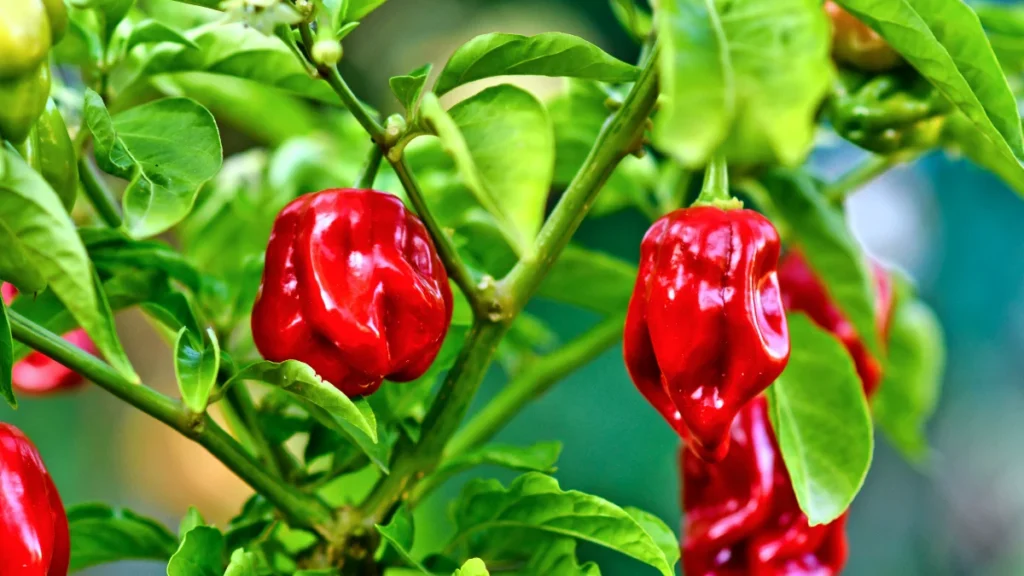
As a pepper enthusiast, you’re likely familiar with the infamous habanero pepper, native to Cuba and known for its scorching heat. But have you ever wondered how to cultivate this spicy gem in your own backyard? In this article, we’ll delve into the world of habanero cultivation, covering everything from soil preparation to harvesting.
Understanding Habanero Characteristics
Before we dive into growing habits, let’s take a closer look at the characteristics that make habaneros so unique. With a Scoville heat unit (SHU) range of 200,000 to 600,000, habaneros are one of the hottest peppers in existence. Their flavor is often described as sweet, but be cautious not to overdo it – too much habanero can be overwhelming!
Habaneros contain capsaicin, the compound responsible for their intense heat, which also has antibacterial and anti-inflammatory properties. This pepper is a natural detoxifier, stimulating digestion and boosting metabolism. Additionally, it’s rich in vitamins A and C, essential for maintaining overall well-being.
Choosing the Right Soil
When it comes to growing habaneros, soil quality is paramount. Habaneros thrive in warm, dry conditions, making them ideal for sunny locations with good air circulation. To create an optimal environment, ensure your soil is well-draining, fertile, and rich in organic matter.
Soil pH should range from 6.0 to 7.0, slightly acidic to neutral, which will help prevent nutrient deficiencies and promote healthy growth. Adding compost or manure can also improve the soil’s fertility and drainage. Habaneros prefer a slightly sandy texture, as it allows for good water penetration and prevents waterlogged conditions.
Sowing Seeds
Habanero seeds are typically sown in the late spring or early summer, about 2-3 weeks after the last frost. Sow seeds in a pot filled with moistened paper towels, keeping them consistently humid until germination. Once the seedlings emerge, transplant them into larger pots or directly into the garden.
Sowing Techniques
When sowing habanero seeds, consider the following techniques:
- Seed starting: Start seeds indoors 4-6 weeks before the last frost to give them a head start.
- Direct sowing: Directly sow seeds in the garden after checking the soil temperature and ensuring optimal conditions.
- Transplanting: Transplant seedlings from pots or cell packs into larger containers or directly into the garden.
Caring for Your Habanero Plants
After sowing your seeds, provide your habanero plants with the right conditions to thrive:
• Watering: Keep the soil consistently moist but not waterlogged. Reduce watering during periods of high humidity and ensure good air circulation.
• Sunlight: Place the plant in a sunny location, ideally with at least 13-14 hours of direct sunlight per day.
• Temperature: Maintain warm temperatures between 75°F and 85°F (24°C and 30°C). Avoid exposing plants to extreme temperatures or drafts.
• Fertilization: Use an organic fertilizer to promote healthy growth. A balanced fertilizer with a pH range of 6.0-7.0 is recommended.
Pruning Habanero Plants
Habanero plants can grow quite large, so regular pruning is necessary to maintain shape and encourage fruiting:
- Pinching: Pinch off flower buds to direct energy towards leaf growth and root development.
- Stem trimming: Trim the stem to control plant size, promote bushiness, and increase yields.
Tips for Optimal Growth
To ensure optimal growth, follow these tips:
- Create a mini-greenhouse effect by covering the plant with a breathable cloth or plastic sheeting during periods of extreme weather.
- Monitor the temperature and adjust accordingly to prevent fungal diseases. Aim for daytime temperatures between 80°F-90°F (27°C-32°C) and nighttime temperatures around 60°F-70°F (15°C-21°C).
- Mulch around the plant to retain moisture, suppress weeds, and regulate soil temperature.
Pest and Disease Management
Regular monitoring is key to preventing pest and disease issues in your habanero plants:
- Common pests: Watch out for aphids, whiteflies, spider mites, and nematodes.
- Common diseases: Be aware of fungal diseases like powdery mildew, downy mildew, and leaf spot.
Harvesting Your Habanero Peppers
Habaneros are ready to harvest when they reach full maturity, typically 120 days after sowing. The peppers will turn from green to red, orange, yellow, or even white, depending on the variety. To avoid over-maturity, check for a slight give on the stem.
Harvesting Techniques
When harvesting habanero peppers, consider the following techniques:
- Twisting: Gently twist the pepper to release it from the plant.
- Cutting: Cut off the pepper with scissors or pruning shears, leaving a small piece of stem attached to the plant.
Common Varieties of Habanero
There are numerous varieties of habaneros, each with its unique characteristics:
• Chocolate Habanero: Known for its chocolate-like flavor and aroma.
• Orange Habanero: With a fruity twist and vibrant orange color.
• White Bullet Habanero: A white variety with a sweet, crunchy texture.
Getting Started with Your Habanero Plants
With these tips and guidelines in mind, you’re ready to embark on your habanero-growing journey. Start by selecting the right soil, sowing seeds, and providing optimal care for your plants. With patience and dedication, you’ll be enjoying the fruits of your labor – or should we say, the peppers!
Frequently Asked Questions
Here are some answers to common questions about growing habaneros:
- Can I grow habaneros indoors?
- Yes, but ensure the plant receives sufficient sunlight (at least 12 hours) and maintain optimal temperatures.
- How do I propagate habanero seeds?
- Sow seeds in moistened paper towels, keeping them consistently humid until germination.
- Can I grow multiple varieties of habaneros together?
- Yes, but ensure they receive sufficient space (at least 12 inches) and are not prone to fungal diseases.
Growing habaneros can be a rewarding experience, offering a delicious and spicy addition to your culinary repertoire. With the right care and attention, you’ll be enjoying fresh, homegrown peppers in no time!


