
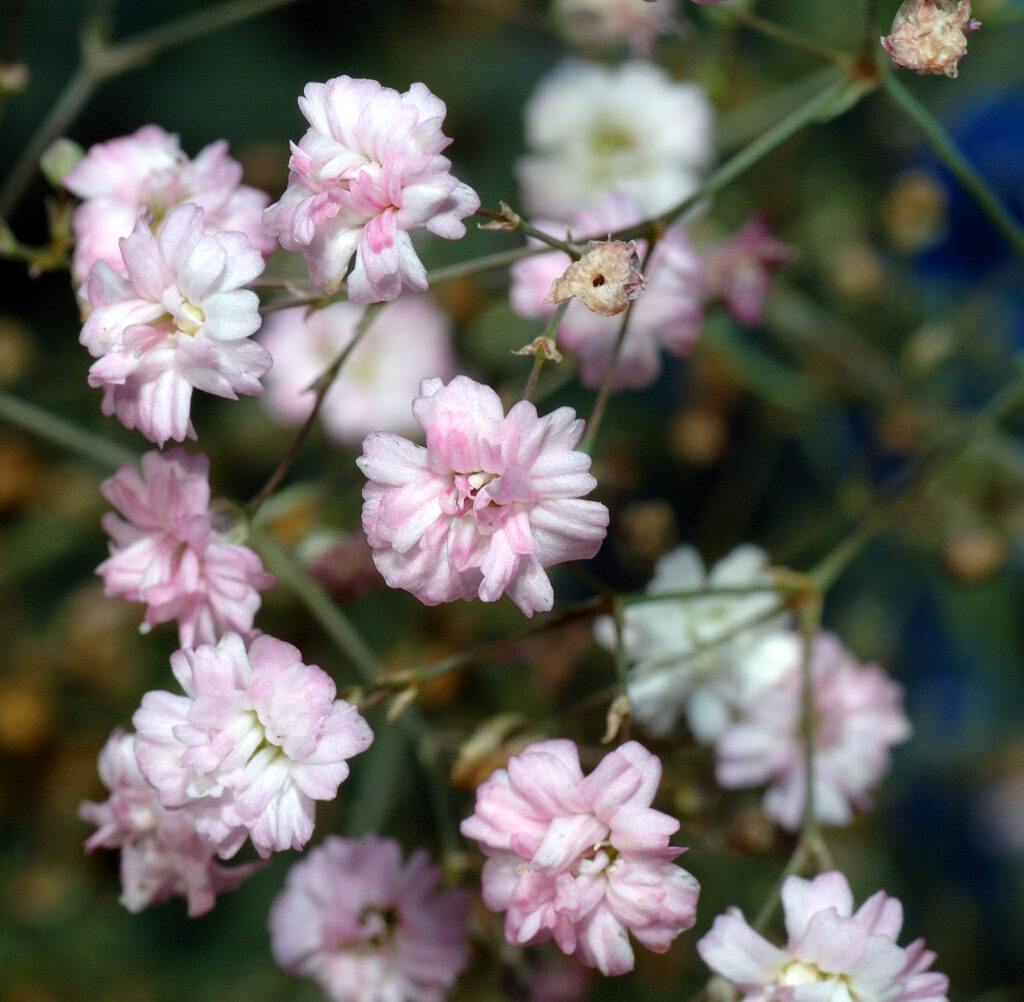
Gypsophila, also known as “gipsofila” or “gissola,” is a plant originating from Asia that has been widely used in floral arrangements and gardening for centuries. Despite its beauty and versatility, gypsophila remains a lesser-known flower, especially among those who are unfamiliar with its uses and requirements. In this article, we will delve deeper into the world of Gypsophila, exploring its characteristics, uses, cultivation, potential issues, and providing tips on how to grow this stunning flower in your garden.
What is Gypsophila?
Gypsophila belongs to the Caryophyllaceae family, a group of flowering plants that includes other popular flowers such as carnations and rosemary. The plant was introduced to Europe from Asia and has been widely cultivated for its delicate white or pink flowers, which are often used in floral arrangements.
Characteristics of Gypsophila
Gypsophila is an annual flower that typically grows to a height of 1 meter (3 feet), with long, slender stems supporting many branches that point upwards. The leaves have a lance-shaped appearance and are a unique green color, gradually turning silver towards the tip. The flowers themselves are small but form a “velvet” effect when grouped together, creating a stunning patchwork of points that resemble embroidery.
Uses of Gypsophila
Gypsophila has been used in various ways, including:
- Floral arrangements: Due to its delicate appearance and fragrance, gypsophila is often used in floral arrangements for weddings, banquets, and other special occasions.
- Decorative purposes: The plant’s unique shape and color make it a popular choice for decorative purposes, such as adorning church altars or creating beautiful borders in gardens.
- Medicinal uses: In some parts of Asia, gypsophila is used to treat various ailments, including respiratory problems and digestive issues.
Growing Gypsophila
To cultivate gypsophila successfully, it’s essential to provide the right conditions. Here are some tips:
- Choose a location with plenty of sunlight and protection from harsh winds.
- The ideal soil is calcareous and well-drained.
- A balanced fertilizer should be applied in the spring using a specialized flower fertilizer or granular fertilizer for slow release.
- Watering is minimal; ensure that the soil remains moist but not waterlogged, as this can lead to root damage. Gypsophila has limited tolerance for drought but can survive under normal conditions.
Propagation of Gypsophila
To propagate gypsophila, you can use seeds, division of rhizomes, or sow them directly in a seed tray. Here are some tips:
- For division of rhizomes, remove 1-2 cm from the rhizome and plant it in the soil at an angle.
- A shallow trench (about 5 cm deep) is recommended for planting.
Diseases and Pests
While gypsophila requires minimal maintenance, it can be susceptible to diseases such as root rot when waterlogged or poor drainage. Rustic plants like this may also attract pests like aphids. Fortunately, there are various remedies and treatments available in stores to protect the plant from these issues.
Preparing a Home Remedy for Aphid Attack
One effective remedy is preparing an all-purpose mixture of boiling water with garlic. Vaporize it on the affected leaves or branches to deter the aphid population effectively without chemical pesticides.
Conclusion: Enjoy Gypsophila in Your Garden or Decorate with Its Beauty
With its versatility and beautiful appearance, gypsophila is a valuable addition to any garden. With proper care and knowledge of its requirements, you can successfully cultivate this flower and enjoy its unique features. Whether you’re looking to add some elegance to your garden or create stunning floral arrangements, gypsophila is an excellent choice.
Frequently Asked Questions: Gypsophila
- What does Gypsophila mean?
The name “Gypsophila” is derived from two Greek words – gypsis (meaning gypsum) and phila (meaning love). - How do I care for my Gypsophila plant?
It needs sunlight, well-draining soil, minimal watering, and a balanced fertilizer applied in the spring. - Why are the flowers of Gypsophila toxic?
The flowers and stems contain compounds that can cause gastrointestinal issues if ingested. - What is the best method for propagating Gypsophila?
Seeds, division of rhizomes, or sowing them directly in a seed tray can be used for propagation. - How often should I water my Gypsophila?
The soil should remain moist but not waterlogged to prevent root damage. - What is the effect of rust on gypsophila plants?
Root rot and damage to plant growth can result from excessive moisture or poor drainage conditions. - Are there any natural remedies for aphid problems in Gypsophila?
Yes, boiling garlic water vaporized on affected leaves can effectively deter aphids. - Is gypsophila a difficult plant to grow?
With proper care and suitable conditions, it’s relatively easy to cultivate this versatile flower in your garden or use its beauty for decorative purposes.


