
If you’ve ever visited an English garden or seen a wedding bouquet, chances are you’ve laid eyes on the Gipsofila. This delicate flower has been a popular choice for gardeners and florists alike due to its unique characteristics and versatility.
What is Gipsofila?
The Gipsofila, also known as Gypsophila or Glasswort, is an Asian native that belongs to the Caryophyllaceae family. It’s characterized by long, slender stems with small, white (or sometimes pink) flowers that resemble miniature sculptures made of gesso.
Characteristics of Gipsofila
- Long, thin stems can grow up to 1 meter in length
- Delicate, lance-shaped leaves with a greenish tint and silver reflections
- Small, spherical flowers that form a soft, white “cloud” when in bloom
- Can be either simple or double-flowered
- Prefers well-draining, calcareous soil
The History of Gipsofila
Gipsofila has been cultivated for centuries in Asia, particularly in China and Japan. Its popularity spread throughout Europe during the 18th century, where it became a staple in English gardens. The flower’s delicate appearance and ability to thrive in challenging conditions made it an ideal choice for gardeners looking to add a touch of elegance to their outdoor spaces.
Maladies Affecting Gipsofila
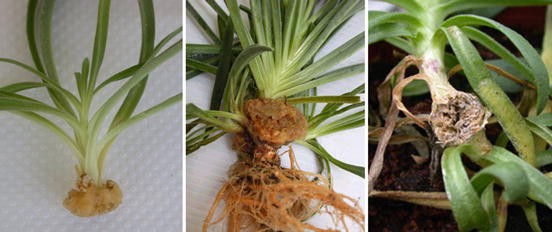
Gipsofila is susceptible to pests like black aphids and root rot caused by poor watering practices. These issues can lead to significant damage if left unaddressed. To prevent infestations, gardeners should monitor their plants regularly and take prompt action when necessary.
Pest Control Measures for Gipsofila
- Regularly inspect your plants for signs of pests or disease
- Use neem oil or insecticidal soap to control black aphids
- Improve drainage by adding organic matter to the soil
- Avoid overwatering, which can lead to root rot
Uses of Gipsofila
This versatile flower has various applications in gardening, floral arrangements, and even wedding decor:
- Often used as a filler plant to add volume and texture to gardens
- Popular choice for creating bouquets, centerpieces, and altar decorations at weddings
- Used to decorate graduation caps and other ceremonial items
Wedding Decor Inspiration using Gipsofila
Gipsofila’s delicate appearance makes it an ideal choice for adding a touch of whimsy to wedding decor. Here are some creative ways to incorporate this flower into your special day:
- Use Gipsofila to create a stunning floral arrangement or bouquet
- Incorporate the flower into your wedding favors, such as candles or picture frames
- Add Gipsofila to your wedding arch or ceremony backdrop for a romantic touch
Cultivation of Gipsofila
To successfully cultivate this delicate flower:
- Choose sunny spots with protection from strong winds and moisture
- Plant in well-draining soil that’s rich in calcium
- Water sparingly unless the soil is completely dry, as excessive watering can lead to root rot
- Fertilize with specific flower fertilizers or slow-release granular fertilizers
Propagation of Gipsofila
Gipsofila can be propagated using either seeds or division of the rhizomes:
- Sowing seeds in February for spring growth or fall sowing for winter growth
- Division of rhizomes by planting them upright 5 cm deep, with 1-2 cm of the rhizome exposed
Propagation Tips and Tricks
Here are some additional tips to help you propagate Gipsofila:
- Use fresh seeds for optimal germination rates
- Keep the soil consistently moist during the propagation process
- Provide adequate light and temperature conditions for optimal growth
Transplanting Gipsofila
If you purchase a potted Gipsofila:
- Choose acidic, dark soil to ensure optimal growth
- Water carefully to prevent root rot and ensure proper drainage
- Transplant when the plant reaches about 15 cm in height, ideally before June to minimize stress
Monitoring Plant Distance
Maintain adequate space between plants (about 1.5 meters) to allow for healthy growth.
For further information on Gipsofila care and maintenance, feel free to ask!
Frequently Asked Questions
- What is the best way to propagate Gipsofila?
Seeds can be sown in February for spring growth or fall sowing for winter growth. - How often should I water my Gipsofila?
Water sparingly unless the soil is completely dry, as excessive watering can lead to root rot. - Can Gipsofila tolerate poor drainage?
No, it prefers well-draining soil that’s rich in calcium. - Is Gipsofila safe for human consumption?
No, its stems and leaves contain toxic compounds that may cause digestive issues if ingested. - How often should I fertilize my Gipsofila?
Use specific flower fertilizers or slow-release granular fertilizers to promote healthy growth. - Can Gipsofila be grown in containers?
Yes, but choose acidic, dark soil and monitor watering carefully to prevent root rot. - What is the ideal time for transplanting a Gipsofila?
Transplant when the plant reaches about 15 cm in height, ideally before June to minimize stress. - Can I grow multiple plants of Gipsofila together?
Yes, but maintain adequate space (about 1.5 meters) between each plant to ensure healthy growth.
If you have any further questions or would like more information on caring for this beautiful flower, please don’t hesitate to ask!
About the Author
Marta Abbà is a renowned horticulturist and writer specializing in garden care and plant propagation. You can find her on Twitter, Facebook, and Instagram.
Pubblicato il 13 Aprile 2019


